











Popular
What motivates the main character, a farmer named Ruedi, to enter the culinary competition?
How does Ruedi's relationship with his wife, Margrit, evolve throughout the film?
What role does the character of the rival chef play in Ruedi's journey?
How does Ruedi's connection to his farm influence his cooking in the competition?
What challenges does Ruedi face during the culinary competition, and how does he overcome them?
Should I watch it?
Ask Your Own Question

What is the plot?
Sorry, we aren't able to watch and write up a full detailed plot yet. Check back in a few days.




What is the ending?
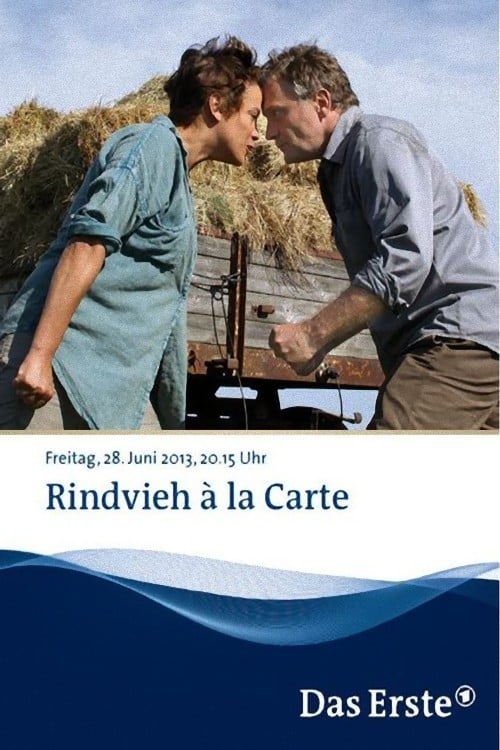
In the ending of "Rindvieh à la carte," the main character, a farmer named Ruedi, faces the consequences of his decisions regarding his cattle and his relationship with his family. After a series of comedic and dramatic events, Ruedi ultimately finds a way to reconcile his passion for farming with the needs of his family, leading to a resolution that brings them closer together.
As the film approaches its conclusion, Ruedi is confronted with the reality of his choices. He has been struggling to maintain his farm and the welfare of his cattle while also dealing with the pressures from his family, particularly his wife, who has been increasingly frustrated with his obsession. The tension reaches a peak when Ruedi must decide whether to sell his beloved cattle or find a way to keep them and save his farm.
In the final scenes, Ruedi makes a bold decision to enter a local cattle competition, hoping to win and secure the future of his farm. The competition is intense, filled with colorful characters and rivalries, showcasing the community's deep connection to farming and livestock. Ruedi's determination shines through as he prepares his cattle, pouring his heart and soul into the effort.
As the competition unfolds, Ruedi faces setbacks and moments of doubt, but he is buoyed by the support of his family, who ultimately come to understand his passion. In a climactic moment, Ruedi's cattle are judged, and he experiences a mix of anxiety and hope. The outcome of the competition is pivotal, as it symbolizes not just the fate of his farm but also the reconciliation of his family dynamics.
In the end, Ruedi's cattle win a prize, which not only secures the farm's future but also brings a sense of pride and accomplishment. The victory serves as a turning point for Ruedi and his family, allowing them to reconnect and appreciate each other's roles in their lives. The film concludes with a sense of harmony restored, as Ruedi embraces both his passion for farming and the importance of family, illustrating the balance between personal ambition and familial responsibility.
The fates of the main characters are intertwined with this resolution. Ruedi emerges as a more rounded individual, having learned to navigate the complexities of his life as a farmer and a husband. His wife, who had been skeptical of his choices, finds renewed respect for his dedication and passion. Their relationship strengthens, and they look forward to a future where they can work together on the farm, united in their goals. The film closes on a hopeful note, emphasizing the importance of community, family, and the love for one's work.
Is there a post-credit scene?
In the movie "Rindvieh à la carte," there is no post-credit scene. The film concludes without any additional scenes or content after the credits roll. The story wraps up with the main characters having resolved their conflicts, and the ending provides a sense of closure to the narrative. The focus remains on the journey of the protagonist, who navigates the challenges of rural life and personal relationships throughout the film.
What motivates the main character, a farmer named Ruedi, to enter the culinary competition?
Ruedi, a simple farmer, is motivated by a desire to prove himself and to save his family's farm from financial ruin. He feels the pressure of tradition and the expectations of his community, which drives him to showcase his culinary skills in the competition.
How does Ruedi's relationship with his wife, Margrit, evolve throughout the film?
Initially, Ruedi and Margrit have a strained relationship due to the stress of their financial situation and Ruedi's obsession with the competition. As the story progresses, they begin to communicate more openly, leading to a rekindling of their love and partnership as they work together to navigate the challenges they face.
What role does the character of the rival chef play in Ruedi's journey?
The rival chef, a successful and arrogant figure, serves as both an antagonist and a source of inspiration for Ruedi. His presence challenges Ruedi to push his culinary boundaries and ultimately helps Ruedi discover his own unique style, which is rooted in his farming background.
How does Ruedi's connection to his farm influence his cooking in the competition?
Ruedi's deep connection to his farm is reflected in his cooking, as he uses fresh, local ingredients and traditional recipes that honor his heritage. This authenticity becomes a key element in his dishes, setting him apart from other competitors who rely on more modern techniques.
What challenges does Ruedi face during the culinary competition, and how does he overcome them?
Ruedi faces numerous challenges, including self-doubt, sabotage from competitors, and the pressure of the competition itself. He overcomes these obstacles by relying on his instincts, the support of his wife, and his passion for cooking, ultimately leading to moments of personal growth and triumph.
Is this family friendly?
"Rindvieh à la carte" is a Swiss comedy that revolves around the life of a farmer named Ruedi, who faces various challenges in his personal and professional life. While the film is primarily light-hearted and comedic, there are a few elements that may be considered objectionable or upsetting for children or sensitive viewers.
-
Mature Themes: The film touches on themes of family conflict, financial struggles, and the pressures of modern farming, which may be complex for younger audiences to fully grasp.
-
Animal Treatment: There are scenes involving livestock and farming practices that might be distressing for some viewers, particularly those sensitive to animal welfare issues.
-
Language: The film contains some mild profanity and adult language that may not be suitable for younger viewers.
-
Emotional Conflict: Characters experience moments of frustration, disappointment, and conflict, which could be upsetting for sensitive viewers, especially in scenes depicting familial tension.
-
Romantic Elements: There are romantic subplots that include adult themes and situations that may not be appropriate for children.
Overall, while "Rindvieh à la carte" is a comedy, it does contain elements that may require parental guidance for younger audiences.