

















Popular
What motivates the main characters to explore the Xingu River region?
How do the Villas-Bôas brothers' relationships evolve throughout the film?
What challenges do the Villas-Bôas brothers face while interacting with the indigenous tribes?
How does the film depict the impact of external forces on the indigenous tribes?
What role does the character of Orlando play in the story?
Should I watch it?
Ask Your Own Question

What is the plot?
Sorry, we aren't able to watch and write up a full detailed plot yet. Check back in a few days.





What is the ending?
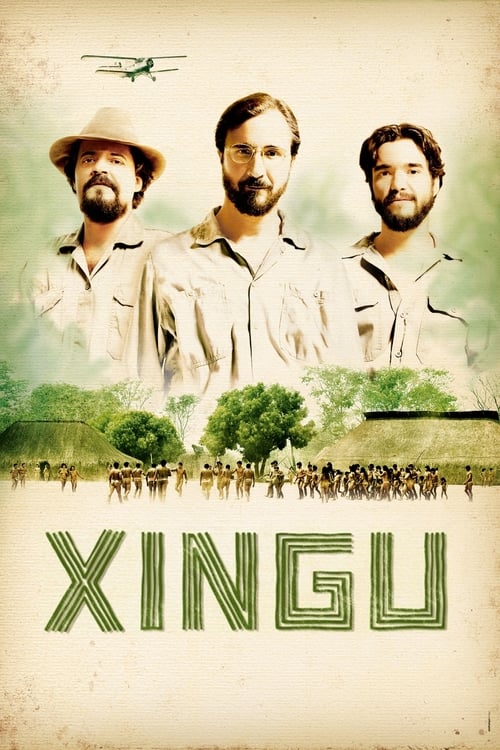
In the ending of the movie "Xingu," the three Villas-Bôas brothers, after years of dedication to the protection of the indigenous people and the Xingu National Park, face the consequences of their efforts. The film concludes with a sense of bittersweet triumph as they manage to secure the future of the Xingu territory, but at a personal cost. The brothers reflect on their journey, acknowledging the sacrifices made along the way.
As the film draws to a close, the narrative unfolds with a series of poignant scenes.
The first scene shows the brothers, Orlando, Cláudio, and Leonardo, standing together in the lush, vibrant landscape of the Xingu National Park. The sun casts a warm glow over the trees, symbolizing hope and the fruits of their labor. They are visibly older, their faces marked by the years of struggle and commitment. The camera captures their expressions, a mix of pride and weariness, as they look out over the land they fought to protect.
In the next scene, the brothers gather with the indigenous tribes they have worked alongside. There is a palpable sense of camaraderie and mutual respect. The tribespeople express their gratitude, acknowledging the brothers' unwavering support in their fight for rights and recognition. This moment is filled with emotional weight, as the brothers realize the impact of their work on the lives of the indigenous people. The camera pans over the faces of the tribes, showcasing their resilience and strength, which has been bolstered by the brothers' advocacy.
As the narrative progresses, the film shifts to a more somber tone. The brothers reflect on the personal sacrifices they have made. Cláudio, in particular, grapples with the toll that their mission has taken on his family life. He shares a heartfelt conversation with his wife, who has often felt neglected due to his dedication to the cause. This scene highlights the internal conflict he faces, torn between his commitment to the indigenous people and his responsibilities as a husband and father.
The climax of the ending occurs when the brothers receive news that their efforts have led to the official recognition of the Xingu National Park. They gather once more, this time in a more formal setting, where they are celebrated for their achievements. The atmosphere is filled with applause and cheers, but there is an underlying tension as they know that the fight is far from over. The camera captures their mixed emotions--joy for the victory, but also a sense of foreboding about the ongoing threats to the land and its people.
In the final scenes, the brothers stand together once more, looking out over the Xingu. They share a moment of silence, reflecting on their journey and the lives they have touched. The film closes with a shot of the vast landscape, a reminder of the beauty they have fought to protect. The brothers, though weary, are united in their resolve to continue the fight for the indigenous people and the preservation of their land.
In summary, the fates of the main characters are intertwined with the land they have fought for. Orlando remains a steadfast advocate, Cláudio continues to struggle with balancing his personal life and activism, and Leonardo embodies the spirit of resilience. The ending encapsulates the themes of sacrifice, commitment, and the ongoing struggle for justice, leaving the audience with a sense of hope tempered by the reality of the challenges that lie ahead.
Is there a post-credit scene?
The movie "Xingu," produced in 2012, does not contain a post-credit scene. The film concludes its narrative without any additional scenes or content after the credits roll. The story wraps up with a focus on the legacy of the Villas-Bôas brothers and their efforts in protecting the indigenous peoples and the environment of the Xingu River region, leaving the audience with a sense of closure regarding their journey and the impact of their work.
What motivates the main characters to explore the Xingu River region?
The main characters, particularly the Villas-Bôas brothers, are driven by a deep sense of adventure and a commitment to understanding and protecting the indigenous tribes of the Xingu River region. They are motivated by their desire to document the lives of the indigenous people and to advocate for their rights against encroaching development.
How do the Villas-Bôas brothers' relationships evolve throughout the film?
As the film progresses, the relationships between the Villas-Bôas brothers become more complex. Initially united by their shared mission, they face tensions and disagreements over their methods and the ethical implications of their work. These conflicts reveal their individual motivations and lead to moments of introspection and growth.
What challenges do the Villas-Bôas brothers face while interacting with the indigenous tribes?
The brothers encounter numerous challenges, including language barriers, cultural misunderstandings, and the threat of violence from outsiders who wish to exploit the land. They must navigate these obstacles while trying to build trust with the tribes, which is crucial for their mission to protect the indigenous people.
How does the film depict the impact of external forces on the indigenous tribes?
The film vividly illustrates the encroachment of logging companies and the Brazilian government on the lands of the indigenous tribes. This external pressure leads to conflicts, loss of land, and cultural erosion, showcasing the dire consequences of modernization and exploitation on the traditional ways of life of the tribes.
What role does the character of Orlando play in the story?
Orlando serves as a crucial link between the Villas-Bôas brothers and the indigenous tribes. His character embodies the complexities of cultural exchange and the challenges of bridging two worlds. He experiences personal growth as he learns to navigate his identity and the responsibilities that come with being an advocate for the tribes.
Is this family friendly?
The movie "Xingu," produced in 2012, is generally suitable for older children and families, but it does contain some scenes and themes that may be considered objectionable or upsetting for younger viewers or sensitive individuals. Here are some aspects to be aware of:
-
Depictions of Violence: The film includes scenes that portray violence, particularly in the context of conflicts between indigenous tribes and external forces. These moments can be intense and may be distressing for some viewers.
-
Cultural Clashes: The narrative explores the impact of colonization and the clash of cultures, which may involve scenes of misunderstanding, aggression, and exploitation that could be unsettling.
-
Emotional Struggles: Characters experience significant emotional turmoil, including loss, guilt, and moral dilemmas. These themes may resonate deeply and could be heavy for younger audiences.
-
Death and Suffering: There are references to death and the suffering of indigenous people, which, while integral to the story, may be difficult for sensitive viewers to process.
-
Mature Themes: The film addresses complex issues such as environmental destruction, the fight for rights, and the consequences of modernization on indigenous cultures, which may require a level of maturity to fully understand.
Overall, while "Xingu" offers valuable lessons about respect for indigenous cultures and the environment, parental discretion is advised for younger viewers due to its serious themes and emotional weight.







