



















Popular
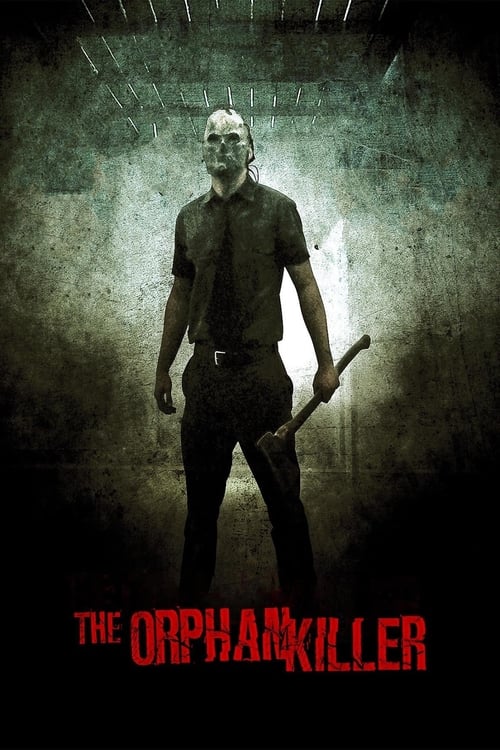
Who is the main antagonist in The Orphan Killer and what motivates his actions?
What is the relationship between Marcus and his sister, and how does it evolve throughout the film?
How does the film depict the childhood trauma experienced by Marcus and its impact on his character?
What role does the character of the detective play in the story, and how does he interact with the main characters?
What are some key scenes that highlight Marcus's brutality and the horror he inflicts on his victims?
Should I watch it?
Ask Your Own Question

What is the plot?
Sorry, we aren't able to watch and write up a full detailed plot yet. Check back in a few days.


What is the ending?
In the ending of "The Orphan Killer," the film culminates in a violent confrontation between the main characters. The protagonist, a woman named Abby, faces off against her brother, the psychotic killer known as Marcus. The film concludes with a brutal showdown that leaves Abby fighting for her life, while Marcus meets a grim fate.
As the final act unfolds, Abby, having endured a harrowing journey filled with trauma and loss, finds herself in a dilapidated warehouse where Marcus has taken her. The atmosphere is thick with tension, the air heavy with the remnants of fear and despair. Abby, driven by a mix of desperation and determination, searches for a way to confront her brother, who has become a monstrous figure in her life.
The scene shifts to Marcus, who is lurking in the shadows, embodying the terror that has haunted Abby since their childhood. He is a twisted reflection of their shared past, a reminder of the abuse and neglect they both suffered. As Abby steels herself for the confrontation, her heart races, a mix of dread and resolve coursing through her veins.
In a climactic moment, Abby and Marcus come face to face. The warehouse is dimly lit, casting eerie shadows that dance around them as they exchange words filled with pain and anger. Abby's voice trembles with emotion as she confronts Marcus about their childhood, the trauma that shaped them both. Marcus, in his deranged state, revels in the chaos he has created, taunting Abby with memories that cut deep.
The fight erupts violently, a brutal clash of wills. Abby, fueled by the need to survive and reclaim her life, fights back against Marcus with a ferocity born from years of suffering. The physical struggle is intense, showcasing Abby's resilience as she battles not just her brother, but the demons of her past. The warehouse becomes a battleground, echoing with the sounds of their struggle, a cacophony of pain and defiance.
As the confrontation reaches its peak, Abby manages to gain the upper hand. In a moment of desperation, she uses a weapon against Marcus, a culmination of her fight for survival. The scene is visceral, capturing the raw emotion of the moment as Abby confronts the monster her brother has become. With a final, desperate act, she ensures that Marcus can no longer harm her or anyone else.
In the aftermath, Abby stands amidst the wreckage of their confrontation, breathing heavily, her body trembling from the adrenaline and the weight of what she has just done. The warehouse, once a place of fear, now feels like a hollow victory. Abby's expression is a mix of relief and sorrow, knowing that while she has survived, the scars of her past will remain with her forever.
The film concludes with Abby walking away from the scene, a survivor marked by her experiences. The fate of Marcus is sealed; he lies defeated, a tragic figure consumed by his own darkness. The ending leaves viewers with a haunting sense of the impact of trauma and the struggle for redemption, encapsulating the complex relationship between the siblings and the cycle of violence that has defined their lives.
Is there a post-credit scene?
The Orphan Killer does not have a post-credit scene. The film concludes without any additional scenes or content after the credits roll. The story wraps up with the final confrontation between the characters, leaving the audience with a sense of closure regarding the events that transpired throughout the film.
Who is the main antagonist in The Orphan Killer and what motivates his actions?
The main antagonist in The Orphan Killer is a character named Marcus Miller. He is driven by a deep-seated rage and a desire for revenge against his family, particularly targeting his sister, who he believes betrayed him. His traumatic childhood experiences, including the abuse he suffered, fuel his violent tendencies and his quest for vengeance.
What is the relationship between Marcus and his sister, and how does it evolve throughout the film?
Marcus Miller has a complex and tumultuous relationship with his sister, whom he sees as a symbol of betrayal. Initially, there is a sense of familial connection, but as the film progresses, Marcus's obsession with revenge leads to a violent confrontation. His sister, who is trying to escape her past, becomes a target of his wrath, showcasing the tragic breakdown of their bond.
How does the film depict the childhood trauma experienced by Marcus and its impact on his character?
The Orphan Killer delves into Marcus's childhood trauma through flashbacks that reveal the abuse he endured in an orphanage. These scenes are visceral and haunting, illustrating how the neglect and violence he faced shaped his psyche. This trauma manifests in his violent behavior as an adult, driving his need to inflict pain on others, particularly those he feels have wronged him.
What role does the character of the detective play in the story, and how does he interact with the main characters?
The detective in The Orphan Killer serves as a crucial figure in the investigation of the murders committed by Marcus. He is determined to uncover the truth and stop the killings, often clashing with the emotional turmoil of Marcus's sister, who is caught between her fear of her brother and her desire to understand him. The detective's pursuit of justice adds tension to the narrative as he tries to piece together the connection between the victims and Marcus.
What are some key scenes that highlight Marcus's brutality and the horror he inflicts on his victims?
Key scenes that highlight Marcus's brutality include his methodical approach to stalking his victims, showcasing his sadistic nature. One particularly chilling scene involves him ambushing a group of friends, where he uses a variety of weapons to inflict terror and pain. The graphic violence is depicted in a way that emphasizes his lack of remorse and the psychological horror he embodies, leaving a lasting impact on both the characters and the audience.
Is this family friendly?
The Orphan Killer, produced in 2011, is not family-friendly and contains several potentially objectionable or upsetting scenes that may be distressing for children or sensitive viewers. Here are some aspects to consider:
-
Graphic Violence: The film features intense and graphic scenes of violence, including brutal killings and gore, which are depicted in a very explicit manner.
-
Murder and Death: The central theme revolves around a killer who targets family members, leading to scenes that depict murder and the aftermath of violent acts.
-
Psychological Trauma: The characters experience significant psychological distress, including themes of trauma and fear, which may be unsettling for viewers.
-
Disturbing Imagery: There are moments of disturbing imagery that may evoke strong emotional reactions, including scenes that explore themes of abandonment and revenge.
-
Adult Themes: The film includes adult themes such as familial betrayal, mental illness, and the impact of a traumatic childhood, which may not be suitable for younger audiences.
Overall, The Orphan Killer is intended for mature audiences and contains content that could be upsetting or inappropriate for children.







