


Popular
What is the relationship between Rodolfo and Mimi in La Bohème?
How does the character of Marcello influence the story in La Bohème?
What role does Musetta play in the dynamics of the group in La Bohème?
What is the significance of Mimi's illness in La Bohème?
How does the setting of Paris influence the characters in La Bohème?
Should I watch it?
Ask Your Own Question

What is the plot?
Sorry, we aren't able to watch and write up a full detailed plot yet. Check back in a few days.
More Movies Like This
Browse All Movies →
![Simon Boccanegra [The Metropolitan Opera] (2010) poster](https://image.tmdb.org/t/p/w500/wG8lsDbBYqpj7j3rmge1aBIKDEk.jpg)
What is the ending?
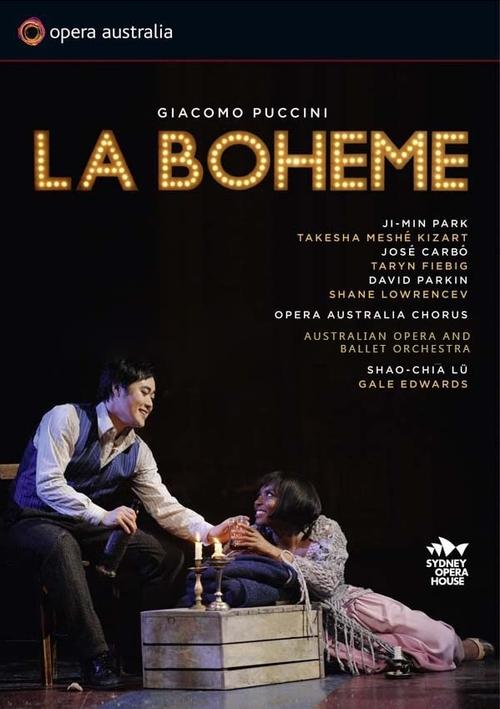
In the ending of La Bohème (Sydney Opera House, 2011), the tragic fate of Mimi unfolds as she succumbs to her illness. Rodolfo, devastated by her passing, is left to grapple with his grief and the memories of their love. The opera concludes with a poignant sense of loss and the enduring power of love, even in the face of death.
As the final act begins, the scene is set in a dimly lit room where Mimi lies ill, her frail body a stark contrast to the vibrant memories of her past. Rodolfo, filled with desperation and love, rushes to her side, his heart heavy with the weight of their shared moments. He recalls their joyful times together, the laughter, and the dreams they once had. The atmosphere is thick with emotion as he tries to comfort her, but the reality of her condition looms over them like a dark cloud.
Mimi, though weak, attempts to reassure Rodolfo, her voice a soft whisper filled with love. She speaks of their love, reminiscing about the beauty they found in each other amidst the struggles of their bohemian lifestyle. The audience can feel the depth of their connection, a bond that has been tested by time and hardship. Rodolfo's desperation grows as he realizes that their time together is slipping away.
As the scene progresses, Mimi's health deteriorates further. Rodolfo's anguish becomes palpable; he clutches her hand tightly, unwilling to let go. The room is filled with a haunting silence, broken only by the sound of Mimi's labored breathing. The stark reality of their situation is underscored by the stark lighting and the sparse set, emphasizing the isolation they feel in their final moments together.
In a heart-wrenching climax, Mimi takes her last breath, her body growing still. Rodolfo, overcome with grief, collapses beside her, his cries echoing in the empty room. The love they shared, once vibrant and full of life, now feels like a distant memory, overshadowed by the tragedy of loss. The audience is left to witness Rodolfo's profound sorrow, a reflection of the love that has been extinguished too soon.
As the opera draws to a close, Rodolfo is left alone, surrounded by the remnants of their life together. The stage dims, and the final notes of the music linger in the air, a poignant reminder of the beauty and fragility of love. The fate of Rodolfo is one of deep mourning, as he is left to navigate a world without Mimi, forever changed by their brief but intense connection. The story concludes with a powerful sense of loss, encapsulating the themes of love, sacrifice, and the inevitability of death that permeate the opera.
Is there a post-credit scene?
The movie "La Bohème" produced by the Sydney Opera House in 2011 does not contain a post-credit scene. The opera concludes with the poignant and emotional finale, where the themes of love, loss, and the struggles of the bohemian lifestyle are fully realized. The focus remains on the powerful performances and the emotional weight of the story, leaving no additional scenes after the credits. The audience is left to reflect on the tragic fate of the characters, particularly the heartbreaking conclusion of Mimì and Rodolfo's love story.
What is the relationship between Rodolfo and Mimi in La Bohème?
Rodolfo and Mimi share a passionate yet tumultuous love story. They meet in a Parisian garret where Rodolfo, a struggling poet, is captivated by Mimi, a fragile seamstress. Their relationship is marked by intense romantic moments, such as their first meeting where Rodolfo is enchanted by Mimi's beauty and vulnerability. However, as their love deepens, they face challenges, including Mimi's illness and Rodolfo's insecurities, which lead to emotional turmoil and misunderstandings.
How does the character of Marcello influence the story in La Bohème?
Marcello, a painter and Rodolfo's close friend, serves as a foil to Rodolfo's character. He is deeply in love with Musetta, a vivacious woman who often causes him heartache. Marcello's struggles with love and jealousy reflect the broader themes of passion and sacrifice in the story. His interactions with Musetta, filled with both affection and conflict, highlight the complexities of romantic relationships and provide a counterpoint to Rodolfo and Mimi's more tragic love.
What role does Musetta play in the dynamics of the group in La Bohème?
Musetta is a lively and flirtatious character who brings both joy and chaos to the group of friends. Her relationship with Marcello is characterized by playful banter and emotional strife, showcasing her spirited nature. Musetta's entrance into the story is marked by her singing at a café, which captivates the attention of everyone, including Marcello. Her actions often serve to highlight the contrasts between love and longing, as she oscillates between independence and her desire for Marcello's affection.
What is the significance of Mimi's illness in La Bohème?
Mimi's illness is a central element that drives the emotional weight of the story. She suffers from tuberculosis, which symbolizes the fragility of life and love in the bohemian lifestyle. Her declining health creates a sense of urgency and despair in her relationship with Rodolfo, as they grapple with the reality of her condition. This illness not only affects their love but also serves as a poignant reminder of the struggles faced by the impoverished artists in Paris, amplifying the themes of sacrifice and loss.
How does the setting of Paris influence the characters in La Bohème?
The setting of Paris plays a crucial role in shaping the characters' experiences and aspirations. The vibrant yet harsh environment reflects the bohemian lifestyle of the artists, filled with both creativity and poverty. The various locations, such as the garret where Rodolfo and Marcello live, the bustling café where Musetta performs, and the streets of Paris, serve as backdrops for their dreams and heartaches. The city embodies both the beauty and the struggles of their lives, influencing their relationships and artistic pursuits.
Is this family friendly?
La Bohème, as presented by the Sydney Opera House in 2011, is an adaptation of Giacomo Puccini's classic opera, which contains themes and scenes that may not be entirely family-friendly. Here are some potentially objectionable or upsetting aspects:
-
Themes of Poverty and Struggle: The story revolves around a group of struggling artists living in poverty, which may be difficult for younger audiences to understand or relate to.
-
Illness and Death: A significant part of the narrative involves illness, particularly the character of Mimi, who suffers from tuberculosis. Her decline and eventual death can be emotionally heavy and distressing.
-
Romantic Relationships: The opera explores complex romantic relationships, including themes of love, heartbreak, and loss, which may be more suitable for older audiences.
-
Emotional Turmoil: Characters experience intense emotional states, including despair, jealousy, and longing, which could be overwhelming for sensitive viewers.
-
Social Issues: The portrayal of bohemian life includes elements of social critique, which may raise questions that younger viewers might find challenging to process.
Overall, while La Bohème is a beautiful and poignant work of art, its emotional depth and mature themes may not be appropriate for all children or sensitive individuals.









