




























































Popular
What role does Józef Piłsudski play in the Battle of Warsaw 1920?
How does the character of Mieczysław Wojnicz evolve throughout the film?
What is the significance of the love story between Mieczysław and Zosia?
How does the film depict the relationship between Polish soldiers and their leaders?
What challenges do the Polish forces face during the battle, as depicted in the film?
Should I watch it?
Ask Your Own Question

What is the plot?
Sorry, we aren't able to watch and write up a full detailed plot yet. Check back in a few days.

What is the ending?
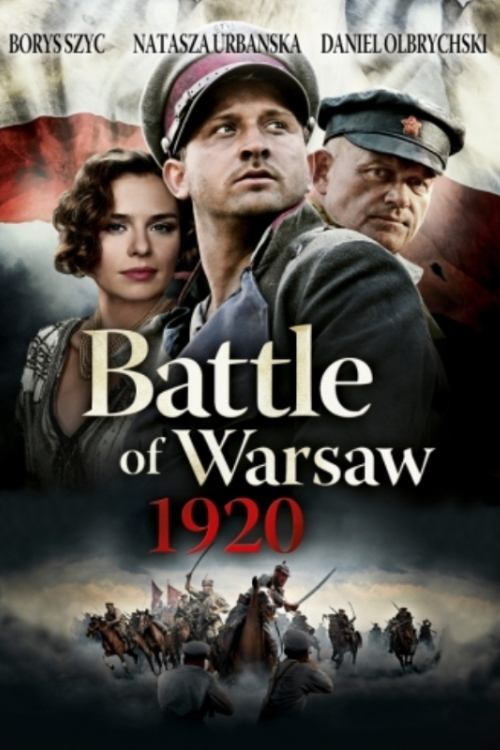
In the ending of "Battle of Warsaw 1920," the Polish forces successfully repel the Soviet army, securing their independence. The film concludes with a sense of triumph and hope for the future of Poland, as the characters reflect on their sacrifices and the cost of victory.
As the final scenes unfold, the tension in the air is palpable. The Polish army, led by General Tadeusz Rozwadowski, prepares for the decisive battle against the advancing Soviet forces. The atmosphere is thick with anxiety and determination, as soldiers gather, their faces a mix of fear and resolve. The camera captures the somber expressions of the men, many of whom are aware that this battle could determine the fate of their nation.
The battle begins with a fierce clash, the sounds of gunfire and explosions echoing across the battlefield. The Polish troops, despite being outnumbered, fight valiantly, driven by a deep sense of patriotism and the desire to protect their homeland. Among them is a young soldier, who embodies the spirit of the nation, fighting not just for himself but for his family and future generations. His internal struggle is evident as he grapples with the fear of death and the hope of victory.
As the battle rages on, the film intercuts between the chaos of the front lines and the personal stories of the characters. We see the sacrifices made by the soldiers, the camaraderie that develops amidst the chaos, and the heart-wrenching losses that occur. The emotional weight of the conflict is highlighted through close-ups of the soldiers' faces, revealing their fears, hopes, and the bonds formed in the heat of battle.
In a pivotal moment, General Rozwadowski makes a strategic decision that turns the tide of the battle. He orders a counter-offensive, and the Polish forces rally, pushing back against the Soviet troops. The camera captures the intensity of the moment, with soldiers charging forward, their faces set with determination. The tide of the battle shifts, and the Polish forces begin to gain ground.
As the dust settles, the Polish army emerges victorious. The scene transitions to a somber yet hopeful atmosphere as the soldiers regroup. They are exhausted, bloodied, and mourning their fallen comrades, but there is a palpable sense of relief and triumph. The young soldier, who had been so fearful at the beginning, now stands tall, filled with a sense of purpose and pride in what they have accomplished.
The film concludes with a poignant scene of the characters reflecting on their experiences. General Rozwadowski stands amidst the remnants of the battlefield, contemplating the cost of victory. He acknowledges the sacrifices made by his men and the uncertain future that lies ahead for Poland. The camera pans out, showing the vast landscape, symbolizing both the challenges and the hope that the nation faces.
In the final moments, the characters are seen embracing their loved ones, tears of joy and sorrow mingling as they celebrate their hard-won freedom. The film closes on a note of resilience, emphasizing the strength of the human spirit in the face of adversity and the enduring hope for a brighter future.
Is there a post-credit scene?
The movie "Battle of Warsaw 1920" does not feature a post-credit scene. The film concludes its narrative without any additional scenes or content after the credits roll. The focus remains on the historical events and the emotional journeys of the characters throughout the film, culminating in the significant battle that shaped Poland's future.
What role does Józef Piłsudski play in the Battle of Warsaw 1920?
Józef Piłsudski is portrayed as a key military leader and strategist in the film. His character is driven by a deep sense of patriotism and the desire to secure Poland's independence. Throughout the film, he is depicted as a determined and charismatic figure, rallying his troops and making critical decisions that impact the outcome of the battle. His internal struggles and the weight of leadership are emphasized, showcasing his commitment to the Polish cause.
How does the character of Mieczysław Wojnicz evolve throughout the film?
Mieczysław Wojnicz starts as a young, idealistic soldier eager to fight for his country. As the battle progresses, he faces the harsh realities of war, including loss and fear. His character evolves from naivety to a more profound understanding of sacrifice and duty. The emotional turmoil he experiences, especially when confronted with the death of comrades, shapes his growth and commitment to the fight for Poland.
What is the significance of the love story between Mieczysław and Zosia?
The love story between Mieczysław and Zosia serves as a poignant backdrop to the war narrative. Their relationship symbolizes hope and the personal stakes involved in the conflict. Zosia's unwavering support for Mieczysław highlights the emotional toll of war on families and loved ones. As Mieczysław faces the brutality of battle, their love becomes a source of strength and motivation, illustrating the human side of the historical events.
How does the film depict the relationship between Polish soldiers and their leaders?
The film illustrates a complex relationship between Polish soldiers and their leaders, particularly through the interactions between Piłsudski and his troops. There are moments of camaraderie and mutual respect, but also instances of tension and doubt. Soldiers look to their leaders for guidance and inspiration, yet they also grapple with fear and uncertainty. This dynamic adds depth to the portrayal of military life during the battle, emphasizing the burden of leadership and the soldiers' reliance on their commanders.
What challenges do the Polish forces face during the battle, as depicted in the film?
The Polish forces face numerous challenges during the Battle of Warsaw, including overwhelming enemy numbers, logistical difficulties, and the psychological strain of combat. The film vividly portrays the chaos of battle, with scenes of intense fighting, strategic retreats, and moments of despair among the troops. The emotional weight of these challenges is felt through the characters' experiences, showcasing their resilience and determination to overcome the odds in the fight for their nation's survival.
Is this family friendly?
"Battle of Warsaw 1920" is a historical war film that depicts the events surrounding the Polish-Soviet War. While it is a significant portrayal of a crucial moment in history, it does contain several elements that may be objectionable or upsetting for children or sensitive viewers.
-
War Violence: The film features intense battle scenes, including gunfire, explosions, and hand-to-hand combat, which may be distressing for younger audiences.
-
Injuries and Death: There are graphic depictions of injuries and the aftermath of battles, including scenes showing the dead and wounded, which can be quite graphic and unsettling.
-
Emotional Turmoil: Characters experience significant emotional distress due to the war, including fear, loss, and trauma, which may be heavy for sensitive viewers.
-
Destruction of Property: Scenes showing the destruction of homes and towns can be distressing, particularly for children who may not fully understand the context of war.
-
Themes of Sacrifice and Loss: The film explores themes of sacrifice, patriotism, and the impact of war on families, which may evoke strong emotional reactions.
Overall, while the film is a historical drama with educational value, its portrayal of war and its consequences may not be suitable for all audiences, particularly younger children or those sensitive to such themes.