
































Popular
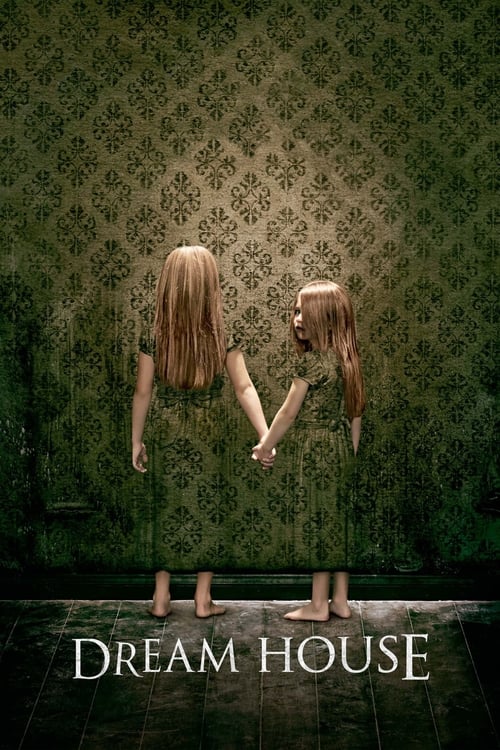
What is the significance of the house in Dream House?
Who is Will Atenton and what drives his character throughout the film?
What role does the character of Ann Patterson play in the story?
How does the character of the detective, Detective Dunne, influence the plot?
What is the relationship between Will and Libby Atenton, and how does it evolve throughout the film?
Should I watch it?
Ask Your Own Question

What is the plot?
Will Atenton strides confidently through the bustling halls of his New York City publishing house, his sharp suit cutting through the chatter of editors and assistants. He hands in his resignation with a firm handshake to his boss, his voice steady: "I've got a book to write, and a family to be with." Excitement lights his eyes as he imagines the life ahead--no more deadlines, just quality time with his beloved wife, Libby Atenton, and their two vibrant daughters, ten-year-old Trish and five-year-old Dee Dee. The family packs up their urban apartment and drives out to Fairfield County, settling into their dream house: a grand, Victorian-style home nestled in a quiet neighborhood near dense, whispering woods. The exterior gleams after their renovations, but faint shadows linger in the overgrown yard, hinting at secrets buried beneath the fresh paint.
Inside, laughter echoes off the high ceilings. Libby, with her warm smile and flowing auburn hair, unpacks boxes while Trish and Dee Dee chase each other through sunlit rooms, their giggles a symphony of innocence. Will sets up his writing desk by a large window overlooking the forest, typing the opening lines of his novel. "This is it," he murmurs to Libby, pulling her close. "Our perfect new start." She nods, her eyes sparkling, though a fleeting unease crosses her face as she glances toward the dark woods. The first night, they tuck the girls into bed, Trish clutching a stuffed bear, Dee Dee sucking her thumb. Will kisses their foreheads, feeling the weight of fatherly pride swell in his chest.
But paradise fractures swiftly. The neighbors' stares pierce like daggers--whispers trail the Atentons at the local market, cold shoulders from every porch. Across the street lives Ann Patterson, a striking woman with haunted eyes and a teenage daughter, Chloe, who watches the house warily. Ann crosses paths with Will one afternoon, her greeting clipped: "You bought the Ward house?" Will frowns, puzzled. "Ward?" She averts her gaze, muttering, "Just... be careful." Tension coils as night falls. Shadows shift outside the windows. Trish wakes screaming from nightmares of a man in the woods. Libby huddles with the girls, her voice trembling: "There's someone out there, Will. Watching us." Will peers into the blackness, flashlight beam slicing through fog, but finds only swaying branches. His protective instincts ignite; he installs locks, checks doors obsessively.
Unease escalates into dread. Will spots a figure prowling the yard--a tall silhouette vanishing into the trees. The girls claim to see him too, a "scary man" peering through their bedroom window. One stormy evening, Dee Dee whispers to Will, "Daddy, he lives in our house... before." Curiosity turns to investigation. Rifling through town records at the library, Will uncovers the horror: five years ago, in this very house, Peter Ward murdered his wife Libby Ward and daughters Trish Ward and Dee Dee Ward. Bullet-riddled bodies found in the living room, Peter shot in the head but surviving, deemed insane and committed to a nearby mental hospital. Lack of evidence led to his recent release. Will's blood runs cold. "Peter Ward is out," he tells Libby, her face paling. "And he's been here."
The family barricades themselves, but the stalking intensifies. Footprints circle the house, a child's drawing of a man with glowing eyes left on the porch. Will confronts a police officer at the station: "Peter Ward is terrorizing us!" The cop's eyes narrow. "That house has a curse on it." Desperate, Will drives to the asylum, a grim fortress of barred windows and echoing corridors. He demands files on Peter Ward. The doctor slides over records: committed for five years, released last month, no family, fixated on the dream house. "He's dangerous," the doctor warns. "Amnesia from the head wound. Thinks he's innocent." Will storms out, heart pounding, vowing to protect his own.
Back home, the visions sharpen. Libby cooks dinner, steam rising from pots, but Will swears he hears whispers from the walls. Trish plays piano, notes hauntingly off-key. One night, a brick crashes through the living room window, glass shattering like brittle bones. "Peter Ward!" Will roars into the darkness, shotgun in hand. Police arrive, but find no intruder--only Will, disheveled, ranting. Libby clutches the girls, tears streaming: "We have to leave, Will. Now." But as they pack, Will notices something chilling: Ann Patterson staring from her porch, not with fear, but recognition. Her strange behavior gnaws at him--wary smiles, aborted conversations. He confronts her across the street. "You knew the Wards. What aren't you telling me?" Ann hesitates, voice low: "Peter didn't do it. I know he didn't."
Momentum builds as Will digs deeper. He explores the house's hidden corners--secret rooms behind bookshelves, dust-choked basements revealing bloodstained floorboards scrubbed but not erased, bullet casings wedged in cracks. Visions assault him: flashes of gunfire, screams echoing. The girls vanish during a game of hide-and-seek, only to reappear giggling from the woods. Libby's fear mounts; she begs Will to sell. "This place is poisoning us." But Will presses Ann harder. At her cozy home, over coffee, she reveals fragments: "Peter lived here with his family--Libby, Trish, Dee Dee. They were like my own. Then that night... Boyce broke in." Boyce? A local thug, shadowy figure. Ann's eyes well up. "Peter came back after release. Slept in the abandoned house. I took him in because I believe him."
Tension peaks when authorities swarm the property. Will returns from errands to find police dragging a wild-eyed man from the dream house--Peter Ward himself, disheveled beard, pleading: "This is my home! My girls are here!" Will lunges, fists flying, but cops restrain him. "He's obsessed!" Peter locks eyes with Will, murmuring, "You don't belong here... brother." Hauled away, Peter is delivered to Ann's house. Will watches from afar, rage boiling. Libby comforts him: "He's gone. We're safe." But safety shatters. That night, prowlers return--two figures now, one limping. Will fires warning shots into the air, heart thundering.
Cracks widen in Will's reality. Outside the house, Libby and the girls flicker, unseen by neighbors. Inside, they thrive--Trish braiding Dee Dee's hair, Libby humming lullabies. Will blinks hard, head throbbing from an old scar he can't explain. Ann approaches cautiously one afternoon. "Will... or should I say Peter?" He recoils. "What?" She presses: "You bought the house under a false name. No records of Will Atenton exist. You're Peter Ward. Amnesiac. Your family... they're gone." Denial surges, but doubt creeps in. He races to New York, verifies--no Will Atenton at the publishing house. His "resignation" memory blurs. Returning, he finds the house empty--no Libby, no girls. Panic claws his throat.
The revelation crashes like thunder. In the basement, amid cobwebs and flickering bulbs, Will--Peter--stares at his reflection: the head wound scar pulses. Flashback engulfs him: five years ago, in this dream house, intruder Boyce bursts through the door, pistol blazing. Mistaken address--aimed for Ann's house across the street. Libby Ward confronts him, fierce mother bear. "Get out!" Gunfire erupts. Boyce shoots Libby Ward in the chest; she crumples, blood pooling. Trish Ward screams, hiding with Dee Dee Ward behind the couch. Boyce guns them down mercilessly--Trish's small body slumps first, Dee Dee's tiny form riddled with bullets, their blood staining the floorboards. Libby, gasping her last breaths, grabs a fallen gun, fires wildly at Boyce. The bullet grazes Boyce but strikes Peter Ward in the head. Agony explodes; darkness swallows him as sirens wail. He wakes in the asylum, accused killer, memories erased.
Peter emerges from the memory, trembling. The "Will Atenton" life was delusion--amnesia birthing a fantasy family, ghosts of Libby Ward, Trish Ward, and Dee Dee Ward haunting only this house, where trauma embeds them. Ann pounds on the door: "Peter! It's Jack--my ex-husband. He's behind it all." Jack Patterson, seething with rage over Ann's divorce and loss of custody of Chloe, hired Boyce five years prior to murder Ann and reclaim everything. Boyce botched it, slaughtering the wrong family. Jack's plan festered; now, with Peter back, he rehires Boyce to finish the job--kill Ann, burn the house, frame the "crazed killer" Peter.
Climax erupts in the basement. Peter and Ann search for clues when chloroform rags clamp over their faces. They slump, bound to chairs amid gasoline cans and flickering lanterns. Jack Patterson looms, smug in his trench coat, Boyce at his side--scarred, vengeful. Jack sneers, voice dripping venom: "Five years ago, I paid you, Boyce, to end her," he jabs at Ann. "Divorce took my daughter, my house. But you idiots picked the wrong door--Ward's family died instead." Ann spits, "Monster!" Boyce shifts uneasily. Jack continues: "Peter returns, perfect patsy. We chloroform you both, torch the place. He burns as the arsonist-murderer." He draws his pistol, shoots Boyce point-blank in the chest--blood sprays, Boyce wheezing, "You bastard... mistake was yours." Jack laughs coldly, dousing the floor with gasoline, igniting a match. Flames lick upward, smoke choking the air.
Peter stirs, head pounding, loosens ropes with ghostly aid--Libby's spirit whispers, "Fight, Peter. For us." Strength surges; he grabs a pipe, smashes Jack's knee. Jack howls, pistol clattering. Ann frees herself, coughing through smoke. Boyce, bleeding out, crawls to a gasoline puddle as Jack staggers toward stairs. With dying fury, Boyce flicks a lighter--flames whoosh, engulfing Jack. "Burn for my mistake!" Jack screams, flesh blistering, clothes melting as he thrashes up the stairs. The house roars alive with fire, beams cracking, walls buckling.
Peter drags Ann through inferno, Libby's ethereal hand guiding them--cool air amid heat, doors opening impossibly. They burst into the night, collapsing on the lawn as the dream house becomes a pyre, Jack's charred screams fading inside. Boyce succumbs in the basement, shot dead by Jack. Peter kneels amid embers, spirits materializing one last time: Libby radiant, Trish and Dee Dee beaming. "We love you," Libby whispers, touching his scar. "Let go." Tears stream as they fade into mist, peace washing over him. Ann squeezes his hand: "It's over."
Months later, Peter Ward stands in the gleaming New York publishing house--his true former workplace--holding a bestselling copy of Dream House. The book recounts every twist: the mistaken murders by Boyce (caused by Jack Patterson), Libby's accidental shot birthing amnesia, the ghostly family, the fiery climax where Jack Patterson burns to death after shooting Boyce. Chloe hugs Ann tightly across the street from the ruins, a new chapter dawning. Peter smiles faintly, scar a badge of survival, walking into the city lights--alone but whole.



What is the ending?
In the ending of "Dream House," Will Atenton confronts the truth about his past and the tragic events that occurred in his home. He learns that he was actually murdered by his wife, Elizabeth, who was trying to protect their daughters from a violent threat. In a climactic confrontation, Will faces Elizabeth, and ultimately, he sacrifices himself to save his daughters from the same fate. The film concludes with a haunting sense of loss and the lingering impact of trauma.
Expanding on the ending in a chronological and narrative fashion:
As the film approaches its climax, Will Atenton, played by Daniel Craig, is in a state of turmoil. He has been piecing together the mystery surrounding his new home, a house that holds dark secrets. The tension escalates when he discovers that the previous occupants, a family, were brutally murdered. This revelation sends him on a quest to uncover the truth, leading him to the enigmatic neighbor, Ann Patterson, portrayed by Naomi Watts, who has been a source of both comfort and confusion.
In the final scenes, Will's investigation leads him to a chilling confrontation with the reality of his own identity. He learns that he is not merely a new homeowner but the deceased husband of Elizabeth, played by Rachel Weisz. The emotional weight of this revelation crashes down on him as he realizes that he has been living in a ghostly echo of his former life. The memories of his daughters, who are still alive, flood back, and he understands that he must protect them from the same fate that befell him.
In a heart-wrenching moment, Will confronts Elizabeth, who is revealed to be the one who killed him in a desperate act to save their daughters from a man who was a threat to their safety. The emotional stakes are high as Will grapples with the love he still feels for Elizabeth, despite the horror of her actions. The scene is charged with tension as Elizabeth, in a state of despair, reveals her motivations, explaining that she believed she was acting in the best interest of their family.
As the confrontation escalates, Will's primary concern shifts to the safety of his daughters. In a moment of self-sacrifice, he chooses to confront the danger head-on, understanding that his love for his children transcends his own desire for revenge or understanding. In a tragic twist, Will's actions lead to his own demise once again, but this time, it is a conscious choice to protect his daughters from the cycle of violence that has haunted their family.
The film concludes with a poignant scene where the daughters, now safe, are left to grapple with the loss of their father. The haunting atmosphere of the house remains, a symbol of the trauma that has unfolded within its walls. The final moments linger on the emotional scars left behind, emphasizing the themes of love, sacrifice, and the haunting nature of unresolved pasts.
In the end, Will Atenton sacrifices himself, Elizabeth is left to live with the consequences of her actions, and the daughters are left to navigate a world forever changed by the tragedies that occurred in their dream house. The film closes on a somber note, leaving the audience to reflect on the complexities of family, love, and the shadows of the past that can never truly be escaped.
Is there a post-credit scene?
The movie "Dream House," produced in 2011, does not have a post-credit scene. The film concludes with its final moments, wrapping up the story without any additional scenes or content after the credits roll. The narrative focuses on the psychological unraveling of the main character, Will Atenton, as he uncovers the dark history of his new home and the tragic events that transpired there. The film ends on a note that ties up the central mystery, leaving no room for a post-credit reveal.
What is the significance of the house in Dream House?
The house in Dream House serves as a central character in the story, representing both a dream of a perfect life and a haunting past. Initially, it symbolizes the hope and new beginnings for Will Atenton and his family, but as the plot unfolds, it reveals its dark history, filled with tragedy and violence, which ultimately impacts the characters' lives.
Who is Will Atenton and what drives his character throughout the film?
Will Atenton, played by Daniel Craig, is a successful publisher who moves his family to a seemingly idyllic house in the suburbs. His character is driven by a desire for a fresh start and to create a safe, loving environment for his wife, Libby, and their two daughters. However, as he uncovers the dark secrets of the house and its previous occupants, his motivations shift towards uncovering the truth and protecting his family from the dangers that lurk within.
What role does the character of Ann Patterson play in the story?
Ann Patterson, portrayed by Rachel Weisz, is a pivotal character who initially appears as a neighbor and becomes a crucial part of Will's investigation into the house's past. Her emotional turmoil and connection to the previous occupants reveal layers of the story, as she grapples with her own trauma and the impact of the house's history on her life. Her relationship with Will evolves as they both seek answers and confront their shared fears.
How does the character of the detective, Detective Dunne, influence the plot?
Detective Dunne, played by Naomie Harris, serves as a key figure in the investigation surrounding the murders that took place in the house. Her character provides a sense of urgency and tension, as she tries to piece together the events that led to the tragic past. Dunne's interactions with Will highlight his growing obsession with uncovering the truth, and she becomes an ally in his quest, even as the danger escalates.
What is the relationship between Will and Libby Atenton, and how does it evolve throughout the film?
Will and Libby Atenton, portrayed by Daniel Craig and Rachel Weisz, start as a loving couple eager to build a life together in their new home. However, as the dark secrets of the house begin to unravel, their relationship is tested by fear, mistrust, and the strain of Will's obsession with the past. Libby's concern for Will's mental state and the safety of their family creates tension, leading to moments of emotional conflict that ultimately challenge their bond.
Is this family friendly?
"Dream House," produced in 2011, is not considered family-friendly due to its themes and content. Here are some potentially objectionable or upsetting aspects that may affect children or sensitive viewers:
-
Violence: The film contains scenes of physical violence, including confrontations that may be intense and unsettling.
-
Murder: There are references to murder and the aftermath of violent acts, which could be disturbing for younger audiences.
-
Psychological Tension: The film explores themes of fear, paranoia, and psychological trauma, which may be distressing for sensitive viewers.
-
Adult Themes: The narrative includes complex adult relationships and emotional struggles that may not be suitable for children.
-
Dark Atmosphere: The overall tone of the film is dark and suspenseful, which could create an unsettling viewing experience.
These elements contribute to a mature rating, making it more appropriate for adult audiences.









