
















Popular
What significant events from Roman Polanski's childhood are highlighted in the film?
How does the film portray Roman Polanski's relationship with his wife Sharon Tate?
What role does the 1977 legal case involving Polanski play in the documentary?
How does Polanski reflect on his experiences in Hollywood throughout the film?
What insights does the film provide about Polanski's filmmaking process and style?
Should I watch it?
Ask Your Own Question

What is the plot?
Sorry, we aren't able to watch and write up a full detailed plot yet. Check back in a few days.
More Movies Like This
Browse All Movies →





What is the ending?
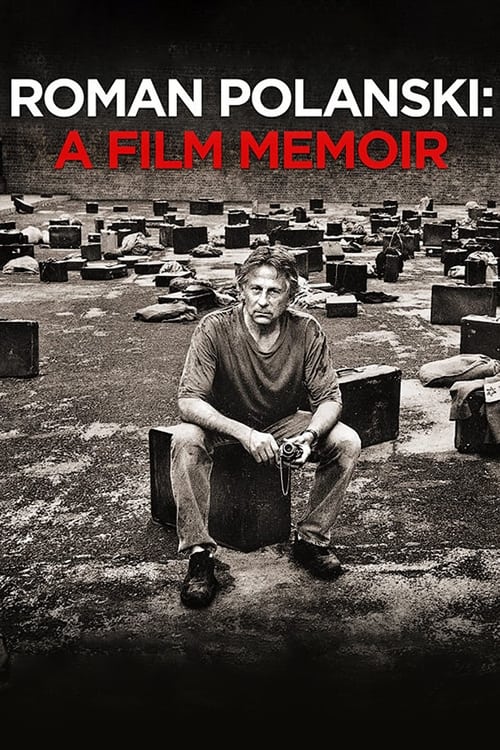
In the ending of "Roman Polanski: A Film Memoir," the film concludes with Polanski reflecting on his life, his experiences, and the impact of his past on his present. He shares his thoughts on the nature of memory and the passage of time, ultimately leaving the audience with a sense of his enduring resilience despite the tragedies he has faced.
As the film approaches its conclusion, we see Roman Polanski seated in a dimly lit room, surrounded by photographs and memorabilia from his storied career. The atmosphere is contemplative, filled with a sense of nostalgia and introspection. He begins to recount the significant moments of his life, from his childhood in Poland to his rise as a filmmaker in Hollywood. The camera captures his expressions, revealing a mix of sorrow and acceptance as he reflects on the losses he has endured, particularly the murder of his wife, Sharon Tate, and the subsequent turmoil that followed.
In a poignant scene, Polanski discusses the concept of memory, illustrating how it shapes our identities and influences our actions. He acknowledges the weight of his past, the traumas that have haunted him, and the way they have informed his work. The film intersperses clips from his films, drawing parallels between his art and his life experiences, emphasizing the deep connection between the two.
As he speaks, the visuals shift to a montage of his films, showcasing the themes of isolation, fear, and survival that resonate throughout his body of work. This montage serves as a reflection of his internal struggles and the external conflicts he has faced, both personally and professionally.
The film concludes with Polanski expressing a sense of resilience. He acknowledges the challenges he has faced, including his exile from the United States and the controversies surrounding his life, yet he remains committed to his craft. The final scenes depict him in a moment of quiet reflection, suggesting a man who has come to terms with his past while still looking forward to the future.
In summary, the ending of "Roman Polanski: A Film Memoir" encapsulates the complexity of Polanski's character, illustrating his journey through pain and loss, while also highlighting his enduring passion for filmmaking. The film leaves viewers with a profound understanding of the man behind the camera, a figure shaped by both triumph and tragedy.
Is there a post-credit scene?
"Roman Polanski: A Film Memoir," produced in 2012, does not contain a post-credit scene. The film concludes with a reflective tone, encapsulating Polanski's life and career through a series of interviews and archival footage. It focuses on his experiences, the impact of historical events on his life, and his perspective on filmmaking, rather than including any additional scenes or content after the credits. The film ends on a note that emphasizes Polanski's complex relationship with his past and his ongoing passion for cinema.
What significant events from Roman Polanski's childhood are highlighted in the film?
The film delves into Polanski's traumatic childhood experiences during World War II, particularly his time in the Krakow ghetto and the loss of his family to the Holocaust. These events shape his worldview and artistic vision.
How does the film portray Roman Polanski's relationship with his wife Sharon Tate?
The film reflects on Polanski's deep love for Sharon Tate, showcasing their life together in the late 1960s, their shared dreams, and the devastating impact of her murder by the Manson Family, which left a profound emotional scar on him.
What role does the 1977 legal case involving Polanski play in the documentary?
The documentary examines the 1977 case where Polanski was charged with the sexual assault of a 13-year-old girl, exploring the complexities of his legal battles, his subsequent flight from the United States, and how this incident affected his career and personal life.
How does Polanski reflect on his experiences in Hollywood throughout the film?
Polanski shares his experiences in Hollywood, discussing both the creative freedom and the challenges he faced, including the pressures of fame, the impact of the studio system, and his relationships with other filmmakers and actors.
What insights does the film provide about Polanski's filmmaking process and style?
The film offers a glimpse into Polanski's unique filmmaking process, highlighting his meticulous attention to detail, his approach to storytelling, and how his personal experiences influence the themes and characters in his films.
Is this family friendly?
"Roman Polanski: A Film Memoir" is a documentary that delves into the life and career of filmmaker Roman Polanski. While it offers a rich exploration of his artistic journey, it contains several elements that may not be suitable for children or sensitive viewers.
-
Discussion of Trauma: The film addresses Polanski's traumatic experiences, including the murder of his wife, Sharon Tate, and the impact of his childhood during the Holocaust. These topics are presented with emotional weight and may be distressing.
-
Personal Reflections on Controversial Events: Polanski reflects on his legal troubles and the controversies surrounding his life, including his arrest and the subsequent media scrutiny. This discussion may include mature themes and complex emotional responses.
-
Graphic Imagery: There are references to violence and loss, which may be depicted through archival footage or photographs that could be unsettling for younger viewers.
-
Mature Themes: The film touches on themes of loss, betrayal, and the darker aspects of fame, which may be difficult for children to fully comprehend or process.
Overall, while the film is a significant artistic work, its mature themes and emotional depth may not be appropriate for a younger audience or those sensitive to such topics.









