










Popular
What is the significance of the character Ulysses in the film Keyhole?
How does the character of the ghostly figure influence Ulysses's journey?
What role does the house play in the story of Keyhole?
How does the relationship between Ulysses and his wife, played by Isabella Rossellini, evolve throughout the film?
What is the significance of the children in Ulysses's life within the film?
Should I watch it?
Ask Your Own Question

What is the plot?
Sorry, we aren't able to watch and write up a full detailed plot yet. Check back in a few days.



What is the ending?
In the ending of "Keyhole," the protagonist, Ulysses Pick, confronts his past and the ghosts that haunt him. He ultimately faces the consequences of his actions, leading to a tragic resolution that intertwines themes of loss, memory, and the search for redemption. The film concludes with a sense of ambiguity, leaving the fate of Ulysses and the other characters open to interpretation.
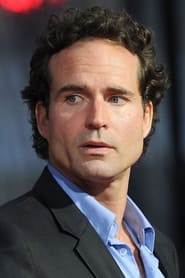
As the film approaches its conclusion, Ulysses, played by Jason Patric, is seen navigating through the surreal and fragmented space of his home, which is filled with memories and apparitions from his past. He is accompanied by a group of individuals, including his wife, Hyacinth, portrayed by Isabella Rossellini, and his son, who is a ghostly figure representing Ulysses' guilt and unresolved issues.
In a pivotal scene, Ulysses confronts Hyacinth, who is both a comforting presence and a reminder of his failures. Their interactions are charged with tension as they discuss their troubled relationship and the impact of Ulysses' violent past. Hyacinth's demeanor oscillates between anger and sorrow, reflecting the complexity of their bond. Ulysses, burdened by his memories and the weight of his actions, struggles to articulate his feelings, revealing his deep-seated regret and longing for forgiveness.
As the narrative unfolds, Ulysses is drawn to a room that symbolizes his past transgressions. Here, he encounters the specter of his son, who embodies the consequences of Ulysses' choices. This encounter is emotionally charged, as Ulysses grapples with the loss of his son and the realization that he cannot escape the repercussions of his life. The ghostly figure serves as a haunting reminder of the innocence lost due to Ulysses' violent lifestyle.
In the final moments, Ulysses is faced with a choice that encapsulates his internal struggle. He must confront the reality of his actions and the pain they have caused to those he loves. The film culminates in a poignant scene where Ulysses, overwhelmed by his emotions, reaches a breaking point. The atmosphere is thick with tension as he acknowledges the ghosts of his past, both literally and metaphorically.
The ending leaves viewers with a sense of unresolved tension. Ulysses' fate remains ambiguous, as he is left to navigate the consequences of his life choices. The film closes with a haunting image that encapsulates the themes of memory, loss, and the search for redemption, leaving the audience to ponder the complexities of Ulysses' character and the impact of his journey.
In summary, the ending of "Keyhole" is a powerful exploration of a man's confrontation with his past, the ghosts that linger in his life, and the emotional turmoil that defines his existence. Each character's fate is intertwined with Ulysses' journey, culminating in a tragic yet thought-provoking conclusion that resonates with the themes of the film.
Is there a post-credit scene?
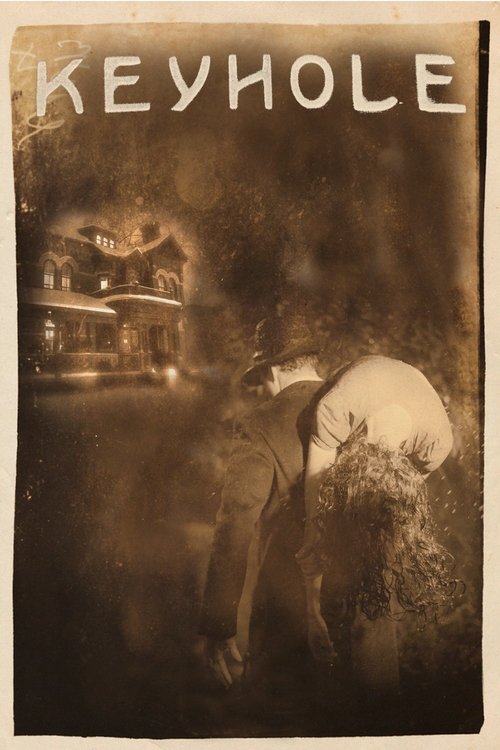
The movie "Keyhole," directed by Guy Maddin and released in 2011, does not contain a post-credit scene. The film concludes its narrative without any additional scenes or content after the credits roll. The story itself is a surreal exploration of memory, identity, and the complexities of relationships, centering around a man named Ulysses who returns home after a long absence. The film's focus remains on its dreamlike sequences and character interactions, leaving no room for a post-credit moment.
What is the significance of the character Ulysses in the film Keyhole?
Ulysses, played by Jason Patric, is a complex character who returns home after a long absence, embodying themes of guilt, memory, and the search for redemption. His journey through the house serves as a metaphor for his internal struggles and the unresolved issues with his family.
How does the character of the ghostly figure influence Ulysses's journey?
The ghostly figure, representing Ulysses's past and the consequences of his actions, haunts him throughout the film. This presence forces him to confront his memories and the pain he has caused, ultimately driving the narrative forward as he seeks to reconcile with his family.
What role does the house play in the story of Keyhole?
The house in Keyhole acts as a labyrinthine setting that reflects Ulysses's fragmented psyche. Each room symbolizes different aspects of his life and relationships, filled with memories and ghosts of the past, creating a surreal atmosphere that enhances the film's exploration of memory and trauma.
How does the relationship between Ulysses and his wife, played by Isabella Rossellini, evolve throughout the film?
Ulysses's relationship with his wife, who appears both as a living presence and a ghostly figure, is fraught with tension and unresolved feelings. Their interactions reveal deep-seated love, betrayal, and the struggle for understanding, highlighting Ulysses's desire for forgiveness and connection amidst the chaos of their shared history.
What is the significance of the children in Ulysses's life within the film?
The children in Ulysses's life represent both innocence and the consequences of his past actions. Their presence serves as a reminder of what he has lost and what he must confront. They embody the future that Ulysses is trying to protect, while also reflecting the impact of his choices on the next generation.
Is this family friendly?
"Keyhole," directed by Guy Maddin, is not considered family-friendly due to its mature themes and content. The film contains several potentially objectionable or upsetting elements, including:
-
Violence: There are scenes depicting physical violence and threats, which may be disturbing for younger viewers.
-
Sexual Content: The film includes sexual situations and nudity, which are not suitable for children.
-
Death and Mortality: Themes surrounding death, loss, and the afterlife are explored, which could be unsettling for sensitive audiences.
-
Psychological Distress: The narrative delves into complex emotional states, including trauma and madness, which may be challenging for younger viewers to understand.
-
Surreal Imagery: The film employs surreal and abstract visuals that can be disorienting or frightening, particularly for children.
Overall, the film's exploration of dark and complex themes makes it more appropriate for adult audiences.







