





Popular
What symptoms does Anneliese exhibit that lead her to seek help?
Who are the key figures involved in Anneliese's exorcism?
What role does Anneliese's faith play in her struggles?
How does Anneliese's relationship with her family evolve throughout the film?
What specific events lead to the decision to perform an exorcism on Anneliese?
Should I watch it?
Ask Your Own Question

What is the plot?
Sorry, we aren't able to watch and write up a full detailed plot yet. Check back in a few days.





What is the ending?
In the ending of "Anneliese: The Exorcist Tapes," Anneliese Michel succumbs to her possession and dies after a series of harrowing exorcism sessions. The priests involved face legal consequences for their actions, and the film concludes with a somber reflection on the events that transpired.
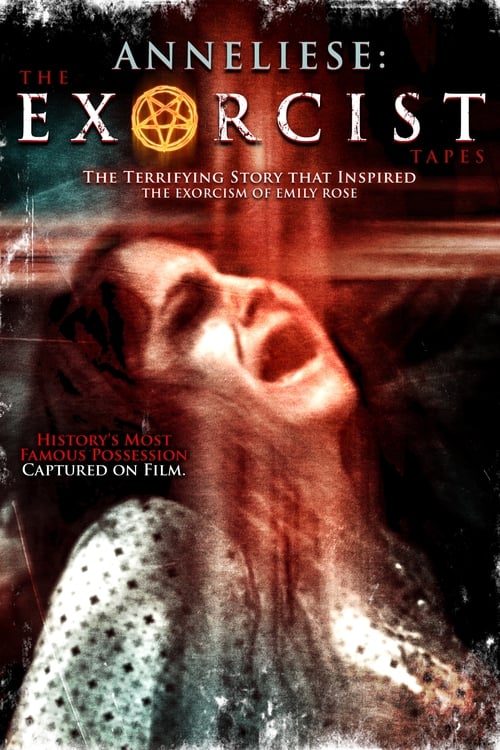
As the final act unfolds, the tension escalates. Anneliese, portrayed as increasingly tormented, is shown in a dimly lit room, her physical state deteriorating. The camera captures her gaunt figure, eyes wide with fear and pain, as she writhes on the floor, her body seemingly under the control of malevolent forces. The priests, Father Alt and Father Rosman, are depicted as desperate yet determined, their faces etched with concern and fatigue. They engage in fervent prayers, their voices rising in intensity as they attempt to expel the demons they believe have taken hold of her.
In a particularly harrowing scene, Anneliese's voice shifts, becoming guttural and unrecognizable, as she screams out in anguish. The priests, visibly shaken, continue their ritual, invoking the power of faith to combat the darkness within her. The atmosphere is thick with tension, and the flickering candlelight casts eerie shadows on the walls, enhancing the sense of dread.
As the exorcism progresses, Anneliese's condition worsens. She is shown convulsing violently, her body twisting in unnatural ways. The priests, now desperate, plead with her to fight against the evil that possesses her. Anneliese's internal struggle is palpable; her eyes reflect a mix of fear, anger, and a flicker of her former self, creating a heartbreaking contrast to her current state.
In the climax of the film, after a particularly intense session, Anneliese collapses, her breathing shallow. The priests, realizing the gravity of the situation, call for medical assistance, but it becomes clear that time is running out. The camera lingers on Anneliese's face, capturing the moment of her final surrender to the darkness. Her eyes close, and her body goes limp, signaling her tragic fate.
The film then shifts to the aftermath of Anneliese's death. The priests are shown in a courtroom, facing charges for neglect and manslaughter. The weight of their decisions hangs heavily in the air, and their expressions reveal a mix of regret and disbelief. The legal proceedings serve as a stark reminder of the consequences of their actions, as they grapple with the reality that their faith-driven attempts to save Anneliese may have led to her demise.
In the closing scenes, the film reflects on the impact of Anneliese's story, leaving the audience with a haunting sense of loss and the complexities of faith, mental illness, and the human condition. The final shot lingers on Anneliese's empty room, a poignant reminder of the life that was lost and the unanswered questions that remain. The fates of the priests are left uncertain, but their involvement in the tragic events serves as a cautionary tale about the intersection of belief and responsibility.
Is there a post-credit scene?
In the movie "Anneliese: The Exorcist Tapes," there is no post-credit scene. The film concludes without any additional footage or scenes after the credits roll. The narrative wraps up with the intense and haunting events surrounding Anneliese's possession and the subsequent exorcism, leaving the audience with a sense of unease and reflection on the disturbing themes presented throughout the film.
What symptoms does Anneliese exhibit that lead her to seek help?
Anneliese begins to experience severe psychological and physical symptoms, including hallucinations, seizures, and a deep sense of despair. She becomes increasingly withdrawn and exhibits erratic behavior, which her family and friends find alarming. Her condition worsens, leading her to believe she is possessed.
Who are the key figures involved in Anneliese's exorcism?
The key figures involved in Anneliese's exorcism include Father Alt, the priest who performs the exorcism, and Father Renz, who assists him. Additionally, Anneliese's parents play a significant role, as they are torn between seeking medical help and their religious beliefs.
What role does Anneliese's faith play in her struggles?
Anneliese's faith is central to her character; she is deeply religious and believes that her suffering is a test of her faith. This belief drives her to seek out exorcism as a solution to her torment, reflecting her internal conflict between her faith and her deteriorating mental state.
How does Anneliese's relationship with her family evolve throughout the film?
Anneliese's relationship with her family becomes strained as her condition worsens. Her parents struggle with feelings of helplessness and guilt, as they grapple with their daughter's suffering and their decision to pursue religious intervention over medical treatment.
What specific events lead to the decision to perform an exorcism on Anneliese?
The decision to perform an exorcism is precipitated by Anneliese's increasingly alarming behavior, including violent outbursts, self-harm, and her claims of being tormented by demons. After consulting with priests and witnessing her distress, her family feels compelled to seek an exorcism as a last resort.
Is this family friendly?
"Anneliese: The Exorcist Tapes" is not considered family-friendly due to its intense and disturbing themes. The film includes several potentially objectionable or upsetting aspects, such as:
- Possession and Exorcism: The central theme revolves around demonic possession, which may be frightening for children and sensitive viewers.
- Graphic Imagery: There are scenes depicting physical and psychological torment, including convulsions and distressing behavior.
- Religious Themes: The film explores heavy religious themes, including faith, sin, and the battle between good and evil, which may be unsettling for some.
- Emotional Distress: Characters experience significant emotional turmoil, including fear, despair, and hopelessness, which can be distressing to watch.
- Violence: There are moments of violence and self-harm that may be triggering for sensitive individuals.
Overall, the film's dark subject matter and intense scenes make it unsuitable for younger audiences or those who are easily disturbed.






