























Popular
What role does Jan Sobieski play in the defense of Vienna?
How does the character of Kara Mustafa reflect the motivations of the Ottoman Empire?
What is the significance of the character of the young boy, who witnesses the siege?
How does the film portray the relationship between the Christian and Muslim characters?
What strategies do the defenders of Vienna employ to withstand the siege?
Should I watch it?
Ask Your Own Question

What is the plot?
In late 1682, in northern Italy, Marco d'Aviano moves through crowds that already treat him like a saint, a monk famous for miracles and for the belief that his prayers can somehow stop the Ottoman advance. The film opens in that atmosphere of panic and faith, with ordinary Christians clinging to him as if spiritual force can do what armies cannot. Marco is not introduced as a warrior but as a man whose authority comes from compassion, reputation, and an almost mythic sense of divine favor, and the story immediately frames him as the moral center of a continent on the edge of collapse.
The first tension comes from Marco's gift for mediation. In a village shaken by anti-Ottoman rage, an angry mob turns on his Muslim friend Abu'l, ready to lynch him simply because he is associated with the enemy. Marco steps between them and stops the killing before it happens, forcing the crowd to back down and revealing that his mission is not only to defend Christendom but to resist hatred when it erupts from fear. The scene also establishes Abu'l as a man caught between worlds: he survives because Marco protects him, yet the protection does not redeem him. Abu'l leaves his deaf wife behind and, carrying his own resentment and survival instinct, eventually goes over to the Ottoman side of the invasion. That choice becomes one of the film's most bitter small tragedies, because a life spared by mercy later becomes a channel of danger.
As the crisis deepens, the political stage widens. Leopold I, the Holy Roman Emperor, asks Marco to come to Vienna and advise him. The request makes clear that this is no longer just a spiritual matter in the countryside; the fate of an imperial capital is now bound up with the monk's counsel. Marco arrives in Vienna as the city braces itself against a force the film describes as roughly 300,000 Ottoman soldiers, while the defenders are a tiny, exhausted minority. The contrast is hammered home repeatedly: Vienna is a last wall before the road into Europe, and if it falls, the film insists, the consequences will reach far beyond the city itself.
Inside Vienna, the pressure is almost unbearable. The walls are strained, the defenders are outnumbered, and the mood is one of siege in the deepest sense: physical, political, and psychological. Marco does not command troops in the conventional sense; instead he moves among soldiers, nobles, and frightened civilians as a stabilizing force, urging endurance when despair threatens to spread faster than cannon fire. He speaks as a man who believes that morale is as decisive as steel. The film uses his presence to keep the Christian side from collapsing inward, even as the Ottoman batteries and assaults make collapse feel inevitable.
One of the film's key emotional turns comes when Marco heals Leopold's daughter, identified in the plot material as the Duchess of Lorena. She is suffering from breast cancer, and the cure is not presented as symbolic but as miraculous: the disease disappears, and the healing becomes proof, for everyone watching, that Marco's faith has power in a time of dread. The daughter then urges her father to listen to Marco, and that moment matters because it translates miracle into political leverage. Leopold is no longer hearing only a monk's advice; he is hearing the voice of someone whose body has been saved in front of him. The film treats this as one of its central signs, a sudden interruption of despair that gives the Christian defenders a reason to believe they might endure.
Across the siege lines, Kara Mustafa Pasha, Sultan Mehmed IV's Grand Vizier, is presented as the Ottoman commander entrusted with Vienna's capture. He is not a faceless villain. The story gives him ambition, pride, memory, and a sense of destiny. He believes the city can be taken, and he drives the campaign with confidence that borders on certainty. Yet the film also seeds him with a private history that makes the conflict more tragic. In a flashback, the audience learns that Marco and Kara Mustafa know each other from youth, when an incident in Venice nearly kills Marco as ship cargo falls toward him. Mustafa saves him then, pulling him away from death before either man has become the symbol he is now. The revelation gives the war a devastating personal symmetry: the man leading the Ottoman siege once saved the life of the monk now urging resistance against him.
Kara Mustafa's command center is the Ottoman camp, where strategy, intelligence, and ideology all feed each other. Abu'l, now aligned with the Ottomans, becomes part of that machinery by informing Kara Mustafa about the holy man opposing them. This disclosure leads to the film's most wrenching irony: Kara Mustafa realizes that the revered monk in Vienna is the very same man he once rescued in Venice. The recognition does not soften him or end the siege, but it changes the emotional texture of the conflict. What had seemed like a clash of civilizations acquires the sharper pain of personal betrayal and historical fatalism. Two men who once crossed paths in life are now locked into opposite sides of an apocalyptic contest.
The siege itself grows harsher. Vienna's defenders continue to suffer heavy losses, and the film keeps returning to their exhaustion, broken lines, and wavering confidence. The city's survival becomes less a matter of brilliance than of endurance. Marco works like a conscience among them, reminding people that fear can become its own surrender. The Christian camp waits for relief, and the narrative begins to build toward the arrival of the allied force that can alter the balance. That force is led by Jan Sobieski III, King of Poland-Lithuania, whose approach is treated as the last great hope for Vienna. His army's presence introduces a different kind of momentum: not just defense, but the possibility of counterattack.
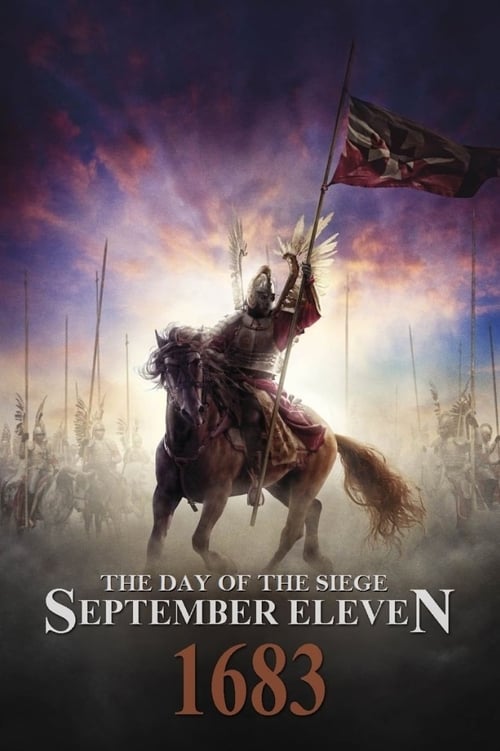
The geography of the film narrows toward its decisive battlefield. The Kahlenberg mountain becomes the key strategic point from which Sobieski plans to strike the Ottomans from behind. The choice of terrain is not just tactical; it gives the climax a sense of divine and military alignment. High ground, hidden approach, and timing all matter, and the film uses these preparations to stretch the tension almost to breaking. Meanwhile, Kara Mustafa continues pressing the siege, not yet seeing the full disaster gathering behind him.
When the day finally comes, the screen is filled with the charged arrival of the Battle of Vienna on September 11, 1683. The Polish cavalry and winged hussars descend from the Kahlenberg and hit the Ottoman army from the rear just as the Ottoman line is already strained. The effect is catastrophic. The film presents the attack as the turning point that shatters Ottoman momentum and transforms the siege into a rout. Kara Mustafa's soldiers, overwhelmed and unable to reorganize, are forced into retreat. The battle is not depicted as neat or clean. It is crushing, chaotic, and filled with the collapse of confidence on the Ottoman side and exhausted relief on the Christian side.
The film's biggest military revelation is not merely that Vienna survives, but that the city's fate was hanging on a razor edge until the rear assault broke the siege. The Christian defenders, who had looked close to defeat, are suddenly on the winning side of history. The Ottomans, who had seemed like the unstoppable force of the summer, are driven away. Kara Mustafa flees with a few followers and wealth, carrying the shame of failure with him. The film does not linger on tactical detail so much as on reversal: the great conqueror leaves the field in disgrace, and the road into western Europe is sealed, at least in the film's framing of the crisis.
What gives the ending its most personal sting is that the defeat does not end with the battle. The final movement jumps forward to Christmas Day, 1683, when Sultan Mehmed IV orders Kara Mustafa's son to witness his father's execution for failing to take Vienna and for fleeing in cowardice. The scene is cold, ceremonial, and cruelly intimate. The son is made not merely to learn of the punishment but to stand before it, forced to absorb imperial shame as spectacle. That choice turns the Ottoman defeat into a family catastrophe as well as a political one. The son's final act is devastating in its simplicity: after the execution, he throws the amulet his father gave him into the snow. The gesture is a silent rejection of inheritance, loyalty, and the shattered authority of Kara Mustafa's line. The amulet, which had stood for family connection and perhaps for hope of protection or identity, becomes worthless in the moment of public disgrace.
By then Marco's role has already reached its symbolic completion. He has not slain anyone, commanded armies, or taken credit for the victory. Instead, the film leaves him as the spiritual witness to a battle of empires, the man whose miracles, counsel, and insistence on mercy help hold Christian society together long enough for Sobieski's army to arrive. Abu'l, by contrast, is left in moral ruin: spared once by Marco, he chooses the Ottoman side and becomes part of the machinery that reveals Marco to Kara Mustafa. The film does not offer a neat redemption for him, only the consequence of his divided loyalties and the grim cost of his choices.
The deaths are treated with the film's broader historical scale rather than named character-by-character in the available plot sources, but the battle clearly destroys large numbers of Ottoman troops in the assault and retreat, especially once the Polish attack hits from the rear. Kara Mustafa does not die in battle; his death comes later by execution, ordered by the Sultan after the failure at Vienna. His son survives that humiliation, but only long enough to be made a witness to it. The emotional final image of the snow and the discarded amulet closes the story on rejection rather than triumph, even though the strategic outcome is a Christian victory.
The final scene leaves the audience with a double ending: on the field, Vienna is saved on September 11, 1683; in the court, Kara Mustafa is condemned on Christmas Day, 1683. The film's resolution is therefore both military and moral. The city stands, the Ottoman advance is broken, Leopold is vindicated by the counsel and miracle-working presence of Marco d'Aviano, and Jan Sobieski III's intervention turns the tide of history. But the victory is stained by the knowledge that it comes through suffering, fanaticism, and the destruction of men who once knew each other as savior and saved.
More Movies Like This
Browse All Movies →



What is the ending?
In the ending of "The Day of the Siege: September Eleven 1683," the siege of Vienna culminates in a fierce battle as the combined forces of the Polish army, led by King Jan III Sobieski, join the defenders of the city against the Ottoman Empire. The siege is lifted, and the Ottomans are ultimately defeated, leading to a significant turning point in European history. The main characters, including the brave defenders and the Polish king, emerge as heroes, while the Ottoman forces face a devastating retreat.
As the film reaches its climax, the tension builds within the besieged city of Vienna. The defenders, weary and desperate, prepare for what seems to be their final stand against the overwhelming Ottoman forces. The atmosphere is thick with fear and uncertainty, but also with a fierce determination to protect their home. The citizens of Vienna, led by their leaders, rally together, their spirits bolstered by the hope of reinforcements.
Scene by scene, the narrative unfolds:
The first scene of the climax shows the defenders of Vienna, including the resolute Count Ernst Rüdiger von Starhemberg, who stands firm in his commitment to protect the city. He addresses the troops, instilling a sense of courage and unity among them. The camera captures the grim determination on their faces, the dirt and sweat of battle evident as they prepare for the impending assault.
As dawn breaks on September 12, 1683, the sound of cannon fire echoes through the air. The Ottoman forces, led by Grand Vizier Kara Mustafa, launch a massive attack on the city walls. The defenders brace themselves, and the scene is filled with chaos as arrows rain down and cannonballs explode. The camera pans over the battlefield, showcasing the desperation and valor of the defenders as they fight back against the relentless onslaught.
In a pivotal moment, the Polish cavalry, under the command of King Jan III Sobieski, arrives on the scene. The sight of the Polish banners waving in the wind ignites a spark of hope among the defenders. The film captures the dramatic entrance of the cavalry, thundering across the plains, their armor glinting in the sunlight. Sobieski, a charismatic leader, rallies his troops with a passionate speech, emphasizing the importance of their mission to save Vienna and, by extension, Europe.
As the Polish forces charge into battle, the tide begins to turn. The camera focuses on the fierce clashes between the two armies, highlighting the bravery of individual soldiers on both sides. The defenders of Vienna, inspired by the arrival of their allies, fight with renewed vigor. The film emphasizes the emotional stakes, showing the fear and determination etched on the faces of the defenders as they push back against the Ottoman forces.
In the heat of battle, key characters face their fates. Count von Starhemberg fights valiantly, embodying the spirit of resistance. His leadership is crucial in coordinating the defense, and he is seen encouraging his men, even as the battle rages around him. Meanwhile, King Sobieski leads his cavalry with strategic brilliance, directing their charge against the Ottoman flanks, showcasing his tactical prowess.
As the battle reaches its climax, the Ottoman forces begin to falter. The film captures the moment of realization among the defenders that victory is within reach. The camera zooms in on the faces of the soldiers, a mix of exhaustion and exhilaration as they push forward. The sound of the Ottoman retreat becomes palpable, and the defenders seize the moment, launching a counterattack.
In the final scenes, the Ottomans are forced to retreat, their once-mighty siege crumbling under the combined might of the defenders and the Polish cavalry. The film portrays the aftermath of the battle, with the defenders celebrating their hard-won victory. Count von Starhemberg and King Sobieski share a moment of camaraderie, acknowledging the significance of their alliance and the importance of their victory for the future of Europe.
The film concludes with a sense of hope and renewal. The citizens of Vienna emerge from their shelters, weary but triumphant, as they survey the battlefield. The camera captures the devastation left behind, but also the resilience of the human spirit. The final shot lingers on the city of Vienna, a symbol of endurance and unity, as the sun sets on a new dawn, signifying the end of the siege and the beginning of a new chapter in history.
In summary, the fates of the main characters are intertwined with the outcome of the battle. Count von Starhemberg emerges as a hero of the defense, his leadership pivotal in the victory. King Jan III Sobieski is celebrated for his strategic brilliance and bravery, solidifying his legacy as a key figure in European history. The film closes on a note of triumph, emphasizing the themes of unity, courage, and the fight for freedom against overwhelming odds.
Is there a post-credit scene?
The movie "The Day of the Siege: September Eleven 1683" does not have a post-credit scene. The film concludes its narrative without any additional scenes or content after the credits roll. The focus remains on the historical events surrounding the siege of Vienna and the characters involved, leaving the audience with the weight of the story rather than any further developments or epilogues.
What role does Jan Sobieski play in the defense of Vienna?
Jan Sobieski, the future King of Poland, is portrayed as a courageous and strategic leader who rallies the Polish forces to aid the besieged city of Vienna. His character is driven by a sense of duty to protect Christendom from the advancing Ottoman Empire. Throughout the film, Sobieski's internal conflict is evident as he grapples with the weight of leadership and the lives of his men, ultimately leading to his pivotal role in the decisive battle.
How does the character of Kara Mustafa reflect the motivations of the Ottoman Empire?
Kara Mustafa, the Grand Vizier of the Ottoman Empire, is depicted as a determined and ambitious leader, driven by a desire to expand the empire and prove his military prowess. His character embodies the relentless ambition of the Ottomans, as he orchestrates the siege of Vienna with a mix of confidence and desperation. The film explores his internal struggles, particularly as he faces the challenges of maintaining morale among his troops and the looming threat of defeat.
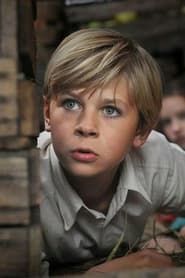
What is the significance of the character of the young boy, who witnesses the siege?
The young boy serves as a poignant symbol of innocence amidst the chaos of war. His character provides a personal perspective on the horrors of the siege, showcasing the impact of the conflict on civilians. As he navigates the dangers of the besieged city, his emotional journey reflects the broader themes of hope and resilience, ultimately highlighting the stakes of the battle for both the defenders and the attackers.
How does the film portray the relationship between the Christian and Muslim characters?
The film presents a complex portrayal of the relationship between Christian and Muslim characters, emphasizing both conflict and moments of understanding. Characters like Jan Sobieski and Kara Mustafa are shown as leaders with their own motivations, yet the film also includes scenes that humanize the opposing sides. This duality creates a narrative tension, as both sides are depicted with depth, showcasing their beliefs, fears, and the consequences of their actions during the siege.
What strategies do the defenders of Vienna employ to withstand the siege?
The defenders of Vienna employ a variety of strategies to withstand the siege, including fortifying the city walls, organizing supply lines, and rallying the citizens to defend their homes. The film highlights the ingenuity and determination of the Viennese, showcasing scenes of desperate yet resourceful tactics, such as using the city's architecture to their advantage and forming alliances with neighboring forces. The emotional stakes are high as the defenders face overwhelming odds, driven by their desire to protect their city and way of life.
Is this family friendly?
"The Day of the Siege: September Eleven 1683" is a historical drama that depicts the siege of Vienna by the Ottoman Empire. While the film is rooted in historical events, it contains several elements that may be considered objectionable or upsetting for children or sensitive viewers.
-
Violence and Battle Scenes: The film features intense battle sequences, including hand-to-hand combat, archery, and the use of cannons. These scenes can be graphic and may depict injuries or death.
-
Siege and Destruction: The portrayal of the siege includes scenes of destruction, burning buildings, and the suffering of civilians, which can be distressing.
-
Emotional Turmoil: Characters experience fear, despair, and loss, which may evoke strong emotional responses. The depiction of families being torn apart or facing dire situations can be particularly upsetting.
-
Historical Context: The film addresses themes of war, religious conflict, and survival, which may be complex and difficult for younger audiences to fully understand.
-
Tension and Suspense: The film builds tension throughout, with moments that may be frightening or anxiety-inducing, especially for younger viewers.
Overall, while the film is a historical representation, its content may not be suitable for all children or sensitive individuals due to its intense themes and depictions of violence.









