

















Popular
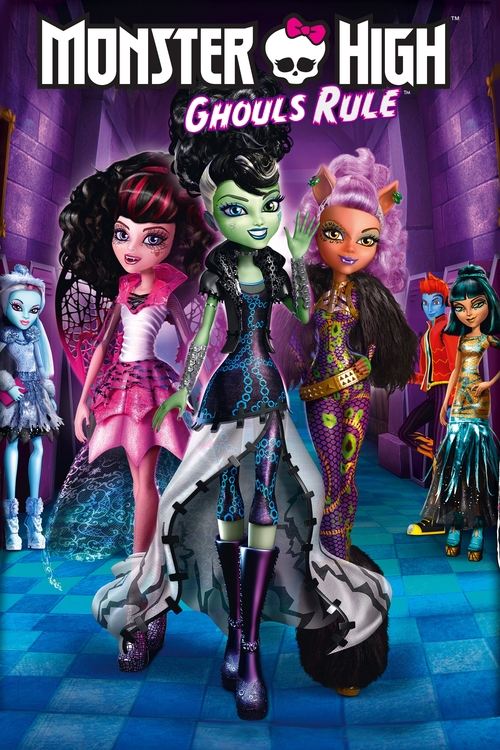
What motivates Clawdeen Wolf to want to change the way monsters are perceived by humans?
How does Frankie Stein's character evolve throughout the movie?
What role does the character of Deuce Gorgon play in the story?
What is the significance of the 'Ghouls Rule' mantra in the film?
How do the characters confront the human students at the school?
Should I watch it?
Ask Your Own Question

What is the plot?
Sorry, we aren't able to watch and write up a full detailed plot yet. Check back in a few days.
More Movies Like This
Browse All Movies →



What is the ending?
In the ending of "Monster High: Ghouls Rule," the main characters, including Clawdeen Wolf, Draculaura, and Frankie Stein, successfully unite the monsters and humans by showcasing their true selves during the Halloween celebration. They defeat the antagonistic characters, including the villainous humans who want to keep monsters and humans apart. The film concludes with a newfound acceptance between the two groups, and the ghouls celebrate their victory together.
Now, let's delve into the ending in a more detailed narrative fashion:
As the climax of the story unfolds, the ghouls--Clawdeen Wolf, Draculaura, Frankie Stein, and their friends--find themselves at the center of a Halloween celebration that has been marred by tension between monsters and humans. The atmosphere is charged with anticipation and fear, as the humans, led by the antagonistic character, the Mayor, have long held a grudge against monsters, believing them to be dangerous and frightening.
In a pivotal scene, the ghouls decide to confront the Mayor and the other humans, determined to show them that monsters can be friendly and fun. Clawdeen, with her fierce determination, leads the charge, rallying her friends to embrace their identities and showcase their unique talents. They prepare a spectacular performance that highlights their abilities and the joy of being different.
As the ghouls take the stage, the visuals are vibrant and colorful, filled with spooky decorations and lively music. The crowd, initially skeptical, begins to warm up as they witness the ghouls' enthusiasm and creativity. Draculaura, with her charm and grace, captivates the audience, while Frankie's electrifying energy brings a sense of excitement. Clawdeen's confidence shines through as she encourages everyone to join in the fun.
The turning point comes when the ghouls invite the humans to participate in their Halloween festivities. This moment is filled with tension, as the humans are hesitant, but the ghouls' infectious spirit begins to break down the barriers. The humans, led by a young boy who has been curious about the monsters, slowly start to join in, dancing and celebrating alongside the ghouls.
As the celebration reaches its peak, the Mayor, witnessing the joy and camaraderie between the two groups, begins to reconsider his stance. The ghouls' performance culminates in a powerful message of acceptance and unity, showcasing that differences can be celebrated rather than feared. The crowd erupts in applause, and the atmosphere shifts from one of fear to one of joy and acceptance.
In the final moments, the Mayor steps forward, acknowledging the ghouls and expressing his newfound understanding. He declares that Halloween should be a time for everyone to come together, regardless of their differences. The ghouls, filled with relief and happiness, embrace this change, knowing they have made a significant impact.
As the film concludes, we see the ghouls and humans celebrating together, dancing under the moonlight, symbolizing the newfound harmony between the two groups. Clawdeen, Draculaura, and Frankie share a moment of triumph, realizing that their friendship and bravery have changed the course of their community. The ghouls have not only embraced their identities but have also paved the way for a future where monsters and humans can coexist peacefully.
In the aftermath, the ghouls return to Monster High, where they are greeted as heroes. They reflect on their journey, acknowledging the importance of being true to oneself and the power of friendship. Each character has grown through the experience: Clawdeen has become more confident in her leadership, Draculaura has embraced her uniqueness, and Frankie has learned the value of being herself. The film closes with a sense of hope and excitement for the future, as the ghouls look forward to more adventures together, united in their differences.
Is there a post-credit scene?
In "Monster High: Ghouls Rule," there is indeed a post-credit scene. After the main story concludes, the scene shifts to a lighthearted moment featuring the characters. The ghouls--Clawdeen Wolf, Draculaura, Frankie Stein, and others--are seen enjoying a fun day at Monster High, celebrating their victory over the human students and the newfound acceptance between monsters and humans.
In this playful scene, the ghouls are gathered around a table, sharing treats and laughing together. They reflect on the events that transpired, expressing their excitement about the changes in their school and the friendships they've formed. The atmosphere is filled with joy and camaraderie, showcasing their strong bond and the sense of community they've built.
As the scene progresses, a humorous twist occurs when a ghostly character, who had been a minor presence throughout the film, makes a surprise appearance. This ghost playfully interacts with the ghouls, adding a comedic element to the moment. The ghouls react with a mix of surprise and amusement, highlighting their acceptance of all creatures, regardless of their background.
The post-credit scene encapsulates the film's themes of friendship, acceptance, and the celebration of differences, leaving the audience with a warm and uplifting feeling as the credits roll.
What motivates Clawdeen Wolf to want to change the way monsters are perceived by humans?
Clawdeen Wolf is driven by a deep desire for acceptance and understanding between monsters and humans. She feels that the fear and prejudice that humans have towards monsters is unjust, and she wants to prove that monsters can coexist peacefully with humans. This motivation is further fueled by her own experiences of being judged based on her appearance and heritage.
How does Frankie Stein's character evolve throughout the movie?
Frankie Stein begins as a character who is eager to fit in and be accepted by both her monster friends and the human world. Throughout the movie, she grapples with her identity and the legacy of her creator. As she learns about the importance of embracing her uniqueness and standing up for her friends, she evolves into a more confident and assertive character, ultimately leading her to take a stand against the prejudice faced by monsters.
What role does the character of Deuce Gorgon play in the story?
Deuce Gorgon serves as a supportive friend and love interest to Cleo de Nile. He is portrayed as a laid-back and cool character who helps to bridge the gap between the monster and human worlds. His character is significant in showing that not all monsters are the same and that they can have positive relationships with humans. His loyalty and understanding help Cleo confront her own biases and fears.
What is the significance of the 'Ghouls Rule' mantra in the film?
The 'Ghouls Rule' mantra represents the core message of the film, which is about embracing one's identity and standing up against discrimination. It serves as a rallying cry for the main characters as they navigate the challenges of being monsters in a world that fears them. The mantra symbolizes empowerment and the importance of unity among the ghouls as they fight for their right to be themselves.
How do the characters confront the human students at the school?
The characters confront the human students by organizing a Halloween party that showcases their unique monster culture. They aim to demonstrate that monsters are not to be feared but celebrated. This confrontation is filled with tension as the ghouls face initial rejection and hostility, but they ultimately use creativity and their distinct personalities to win over the human students, leading to a moment of understanding and acceptance.
Is this family friendly?
"Monster High: Ghouls Rule" is generally considered family-friendly, aimed at a younger audience with themes of friendship, acceptance, and self-identity. However, there are a few aspects that some parents or sensitive viewers might find objectionable or upsetting:
-
Supernatural Elements: The film features monsters and supernatural themes, which may be frightening for very young children or those sensitive to horror elements.
-
Bullying: There are scenes depicting bullying and exclusion, particularly between the ghouls and the humans, which could be upsetting for children who have experienced similar situations.
-
Conflict and Tension: The storyline includes moments of conflict and tension between characters, which may evoke feelings of anxiety or distress.
-
Rebellion Against Authority: The ghouls challenge societal norms and authority figures, which might raise concerns for parents about the portrayal of rebellion.
-
Emotional Struggles: Characters experience feelings of isolation and fear of rejection, which could resonate with children who have faced similar emotional challenges.
Overall, while the film promotes positive messages, these elements may require parental guidance for younger viewers.







