








Popular
What role does the setting play in the development of the plot?
What is the significance of the character of the dead man in the story?
How does the protagonist's relationship with the dead man evolve throughout the film?
What are the motivations behind the actions of the supporting characters in relation to the dead man?
How does the film explore the theme of guilt through the character interactions?
Should I watch it?
Ask Your Own Question

What is the plot?
Sorry, we aren't able to watch and write up a full detailed plot yet. Check back in a few days.






What is the ending?
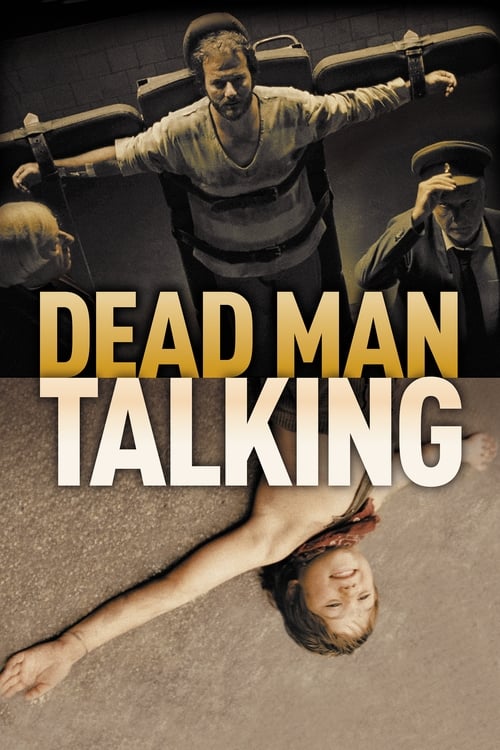
In the ending of "Dead Man Talking," the protagonist, a man on death row, faces his final moments as he reflects on his life and the choices that led him there. He has a final conversation with a priest, revealing his regrets and seeking redemption. The film concludes with his execution, leaving the audience to ponder the weight of his past actions and the nature of forgiveness.
As the film approaches its climax, the atmosphere in the prison becomes increasingly tense. The protagonist, known as "the condemned," is in his cell, awaiting execution. The stark, cold walls of the prison serve as a constant reminder of his fate. He sits on the edge of his cot, his face a mixture of resignation and contemplation. The dim light casts shadows across his features, highlighting the weariness in his eyes.
In the next scene, the priest arrives, a figure of calm amidst the chaos. He enters the cell with a solemn expression, carrying the weight of his own beliefs about sin and redemption. The condemned man looks up, his expression shifting from despair to a flicker of hope. They engage in a deep conversation, where the condemned man recounts the events that led him to this moment. His voice trembles as he speaks of his past, filled with mistakes and lost opportunities. The priest listens intently, offering words of comfort and understanding, but also challenging the man to confront the reality of his actions.
As the clock ticks down, the condemned man's emotional state fluctuates between fear and acceptance. He grapples with the enormity of his impending death, reflecting on the people he has hurt and the life he could have led. The priest encourages him to seek forgiveness, not just from others but from himself. This moment of vulnerability is palpable; the condemned man's eyes well up with tears as he acknowledges his regrets.
The scene shifts to the execution chamber, where the atmosphere is heavy with anticipation. The condemned man is led down a stark corridor, flanked by guards. The sound of his footsteps echoes ominously, a reminder of the finality of his journey. He takes a deep breath, his heart racing, as he enters the chamber. The stark, sterile environment contrasts sharply with the emotional turmoil he has just experienced.
In the execution chamber, the condemned man is strapped to the gurney. The camera captures his face, a mixture of fear and resignation. He closes his eyes, and in that moment, he seems to find a semblance of peace. The priest stands nearby, offering a final prayer, his voice a soothing balm in the tense atmosphere. The condemned man opens his eyes, looking directly at the priest, and whispers a final request for forgiveness.
As the execution begins, the screen fades to black, leaving the audience with the haunting silence of his last moments. The fate of the condemned man is sealed, and the film closes on a note of somber reflection. The priest exits the chamber, his expression a blend of sorrow and contemplation, embodying the complex emotions surrounding life, death, and the possibility of redemption.
In the end, the condemned man faces his execution, having confronted his past and sought forgiveness, while the priest is left to grapple with the moral implications of his role in the man's final moments. The film leaves viewers with lingering questions about justice, redemption, and the human capacity for change.
Is there a post-credit scene?
In the movie "Dead Man Talking," there is no post-credit scene. The film concludes its narrative without any additional scenes or content after the credits roll. The story wraps up with the resolution of the main plot, focusing on the themes of life, death, and the consequences of one's actions, leaving the audience to reflect on the journey of the characters without any further revelations or twists.
What role does the setting play in the development of the plot?
The setting, a small town filled with secrets and hidden agendas, amplifies the tension and sense of isolation experienced by the characters. The stark contrast between the vibrant life of the town and the grim reality of the dead man's fate creates a haunting backdrop that influences the characters' decisions and emotional states throughout the film.
What is the significance of the character of the dead man in the story?
The dead man, who is revealed to be a victim of a violent crime, serves as a catalyst for the unfolding events. His presence, though lifeless, drives the narrative as other characters grapple with their guilt, secrets, and the consequences of their actions. His backstory and the circumstances of his death are pivotal in revealing the darker aspects of the living characters' lives.
How does the protagonist's relationship with the dead man evolve throughout the film?
The protagonist initially views the dead man as a mere victim, but as the story progresses, he becomes increasingly haunted by the dead man's presence. This relationship evolves from one of detachment to a deep emotional connection, as the protagonist confronts his own past and the impact of the dead man's death on his life and the lives of others.
What are the motivations behind the actions of the supporting characters in relation to the dead man?
The supporting characters each have their own motivations tied to the dead man, ranging from guilt and fear to a desire for redemption. Their actions are driven by personal stakes, as they navigate their own moral dilemmas and the repercussions of their involvement in the dead man's life and death, leading to a complex web of interactions that propel the plot forward.
How does the film explore the theme of guilt through the character interactions?
Guilt is a central theme explored through the interactions between the protagonist and the supporting characters. Each character's response to the dead man's death reveals their inner turmoil and unresolved issues. The film delves into how guilt manifests in various forms, influencing decisions, relationships, and ultimately leading to moments of confrontation and revelation that shape the narrative.
Is this family friendly?
"Dead Man Talking," produced in 2012, is not considered family-friendly due to its mature themes and content. Here are some potentially objectionable or upsetting aspects that may occur for children or sensitive viewers:
-
Death and Mortality: The film deals with themes of death, which may be unsettling for younger audiences. The protagonist's situation revolves around his impending execution, leading to discussions about life and death.
-
Violence: There are scenes that depict violence or the aftermath of violent acts, which could be distressing.
-
Strong Language: The dialogue includes strong language that may not be suitable for children.
-
Emotional Turmoil: Characters experience significant emotional distress, including fear, regret, and despair, which may be heavy for sensitive viewers.
-
Mature Themes: The film explores complex themes such as guilt, redemption, and the consequences of one's actions, which may be difficult for younger audiences to fully grasp.
These elements contribute to the film's overall tone and may not be appropriate for all viewers, particularly children.








