













Popular
What role does the crime syndicate play in the development of the plot?
What motivates the main character, Marco, in his quest for revenge?
How does the relationship between Marco and his love interest, Elena, evolve throughout the film?
How does Marco's relationship with his brother influence his actions throughout the film?
What are the key turning points in Marco's journey towards revenge?
Should I watch it?
Ask Your Own Question

What is the plot?
Sorry, we aren't able to watch and write up a full detailed plot yet. Check back in a few days.


What is the ending?
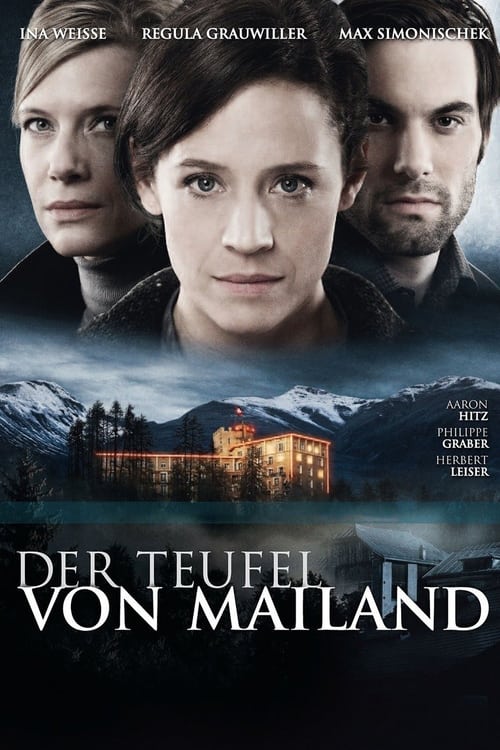
In the ending of "The Devil from Milan," the protagonist, a man named Marco, confronts the antagonist, a powerful figure named Donato, in a climactic showdown. The confrontation leads to a violent resolution, resulting in Marco's victory but at a significant personal cost. The film concludes with Marco reflecting on his choices and the toll of his actions, leaving viewers with a sense of ambiguity about his future.
As the final act unfolds, the tension escalates. Marco, having gathered the courage to face Donato, enters a dimly lit warehouse where their final confrontation is set to take place. The atmosphere is thick with anticipation, shadows dancing across the walls as the flickering lights cast an eerie glow. Marco's heart races, a mix of fear and determination coursing through him. He knows that this moment will define not only his fate but also the lives of those he cares about.
Scene by scene, the confrontation begins. Marco steps cautiously into the warehouse, his footsteps echoing ominously. He scans the room, his eyes narrowing as he spots Donato, who stands confidently, flanked by his henchmen. Donato's demeanor is calm, almost mocking, as he taunts Marco, reminding him of the power he wields and the destruction he has caused. Marco's fists clench, his internal struggle evident as he grapples with the weight of his past decisions.
As the dialogue intensifies, Marco's resolve hardens. He recalls the pain and suffering inflicted on his loved ones by Donato's ruthless actions. This memory fuels his anger, transforming it into a fierce determination to end Donato's reign of terror. The tension reaches a breaking point, and without warning, Marco lunges at Donato, igniting a brutal fight. The clash is visceral, each blow exchanged filled with raw emotion and desperation.
The fight spills into the heart of the warehouse, where crates and debris become obstacles in their path. Marco, driven by a mix of vengeance and justice, fights with everything he has. The choreography of the fight is intense, showcasing Marco's agility and strength as he dodges and counters Donato's attacks. The stakes are high, and the audience can feel the weight of each punch thrown, each moment stretching into eternity.
As the battle rages on, Marco gains the upper hand. In a pivotal moment, he manages to disarm Donato, leaving him vulnerable. The atmosphere shifts; the once confident Donato now appears desperate, his facade of power crumbling. Marco stands over him, breathing heavily, the adrenaline coursing through his veins. In this moment, he is faced with a choice: to deliver a final blow or to show mercy.
The decision weighs heavily on Marco's conscience. He reflects on the cycle of violence that has consumed both their lives. In a moment of clarity, he chooses to spare Donato, believing that true strength lies in breaking the cycle rather than perpetuating it. This act of mercy is a turning point, not just for Marco but for the narrative itself, as it signifies a shift from vengeance to redemption.
However, the resolution is bittersweet. As Marco turns to leave, believing he has made the right choice, Donato, in a last-ditch effort, attempts to attack him again. In a tragic twist, Marco is forced to defend himself, resulting in Donato's demise. The finality of this moment hits Marco hard; he realizes that despite his intentions, he has become what he sought to destroy.
The film concludes with Marco standing alone in the warehouse, the weight of his actions crashing down on him. The camera lingers on his face, capturing the turmoil within. He has won the battle but lost a part of himself in the process. The screen fades to black, leaving the audience to ponder the complexities of morality, choice, and the consequences of violence.
In the aftermath, Marco's fate is left uncertain. He walks away from the warehouse, a changed man, burdened by the knowledge that his victory came at a great cost. The emotional toll of the confrontation is evident in his expression, a mix of relief and sorrow. The film closes, leaving viewers with lingering questions about redemption and the true nature of evil.
Is there a post-credit scene?
The movie "The Devil from Milan," produced in 2012, does not feature a post-credit scene. The film concludes its narrative without any additional scenes or content after the credits roll. The story wraps up with a focus on the main characters and their arcs, leaving no further developments or cliffhangers for the audience to ponder after the film ends.
What role does the crime syndicate play in the development of the plot?
The crime syndicate serves as the primary antagonist, representing the corrupt and violent world that Marco seeks to dismantle. Their ruthless tactics and influence create a constant sense of danger, propelling Marco's actions and decisions as he navigates this treacherous landscape, ultimately leading to a climactic confrontation.
What motivates the main character, Marco, in his quest for revenge?
Marco is driven by a deep sense of betrayal and loss after the murder of his brother, which he believes was orchestrated by a powerful crime syndicate. His emotional turmoil is palpable as he grapples with grief and the desire for justice, pushing him to take increasingly dangerous risks.
How does the relationship between Marco and his love interest, Elena, evolve throughout the film?
Initially, Marco and Elena share a tender bond, rooted in their shared past and mutual support. However, as Marco becomes consumed by his quest for vengeance, Elena's concern for his safety grows, leading to tension and conflict. Her emotional struggle is evident as she tries to pull him back from the brink, fearing for his life and their future.
How does Marco's relationship with his brother influence his actions throughout the film?
Marco's relationship with his brother is central to his motivations; their bond is depicted through flashbacks that highlight their loyalty and shared dreams. The loss of his brother acts as a catalyst for Marco's transformation from a man seeking a normal life to one consumed by vengeance, showcasing his internal conflict and the weight of familial loyalty.
What are the key turning points in Marco's journey towards revenge?
Key turning points include the moment Marco discovers the truth behind his brother's murder, which ignites his quest for revenge. Another significant moment occurs when he confronts a member of the crime syndicate, leading to a violent encounter that solidifies his resolve. Each turning point escalates the stakes, pushing Marco further into a world of violence and moral ambiguity.
Is this family friendly?
"The Devil from Milan," produced in 2012, is not considered family-friendly due to its mature themes and content. The film contains several potentially objectionable or upsetting aspects, including:
-
Violence: There are scenes depicting physical confrontations and aggressive behavior that may be intense for younger viewers.
-
Crime and Corruption: The narrative involves elements of organized crime, which may include discussions or portrayals of illegal activities that could be disturbing.
-
Emotional Turmoil: Characters experience significant emotional distress, including themes of betrayal, loss, and moral conflict, which may be heavy for sensitive audiences.
-
Dark Themes: The film explores themes of evil and moral ambiguity, which may be unsettling for children or those who prefer lighter narratives.
-
Language: There may be strong language used throughout the film that could be inappropriate for younger audiences.
These elements contribute to a tone that is more suited for mature viewers rather than children or sensitive individuals.








