
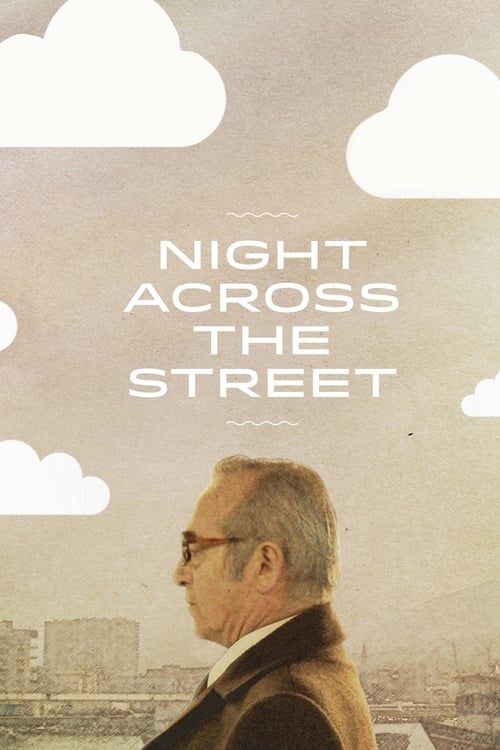












Popular
What is the significance of the character Don Celso in the story?
How does the setting influence the events in Night Across the Street?
What role do the supernatural elements play in the film?
How does Don Celso's relationship with his family affect his character development?
What is the significance of the recurring motif of the night throughout the film?
Should I watch it?
Ask Your Own Question

What is the plot?
Sorry, we aren't able to watch and write up a full detailed plot yet. Check back in a few days.






What is the ending?
In the ending of "Night Across the Street," the protagonist, a retired man named Don Celso, confronts his own mortality and the memories of his past. He experiences a series of surreal encounters with various characters, including a woman from his past and a mysterious figure. Ultimately, he comes to terms with his life and the inevitability of death, leading to a poignant and reflective conclusion.
As the film approaches its climax, we find Don Celso wandering through a dreamlike landscape, filled with memories and reflections of his life. The atmosphere is heavy with nostalgia and a sense of impending finality. He encounters a woman who represents a lost love, stirring deep emotions within him. Their interaction is filled with unspoken words and lingering glances, evoking a sense of what could have been.
In another scene, Don Celso meets a mysterious figure who embodies death. This figure is both intimidating and comforting, guiding him through his memories and the choices he made throughout his life. The conversations are laden with existential weight, as Don Celso grapples with his regrets and the passage of time. He reflects on his relationships, his career, and the moments that defined him.
As the narrative unfolds, the imagery becomes increasingly surreal, blurring the lines between reality and dreams. Don Celso's internal struggle is palpable; he is torn between the desire to hold onto life and the acceptance of its end. The film captures his emotional turmoil through haunting visuals and evocative soundscapes, immersing the audience in his journey.
In the final moments, Don Celso reaches a place of acceptance. He acknowledges the inevitability of death and the beauty of the life he has lived. The film closes with a serene image of him embracing his fate, surrounded by the memories of those he loved and lost. The screen fades to black, leaving the audience with a lingering sense of reflection on life, love, and mortality.
The fate of Don Celso is one of acceptance and peace. He comes to terms with his life and the choices he made, finding solace in the memories that define him. The other characters, while significant in his journey, serve as reflections of his past and the emotions he must confront. The film ends on a note of quiet introspection, emphasizing the universal themes of life and death that resonate throughout the narrative.
Is there a post-credit scene?
The movie "Night Across the Street," directed by Raúl Ruiz, does not feature a post-credit scene. The film concludes its narrative without any additional scenes after the credits roll. The story itself is a contemplative exploration of life, death, and the passage of time, centering on the character of Don Celso, an elderly man reflecting on his past and the choices he has made. The film's focus remains on its poignant themes and character development, rather than on any additional content after the main story concludes.
What is the significance of the character Don Celso in the story?
Don Celso is a retired man who reflects on his life and the choices he has made. His character serves as a representation of the passage of time and the inevitability of death, as he navigates through memories and encounters with other characters that symbolize different aspects of his past.
How does the setting influence the events in Night Across the Street?
The setting, primarily taking place in a small town and its surrounding areas, creates a melancholic atmosphere that mirrors Don Celso's introspective journey. The quiet streets and the looming presence of the cemetery serve as constant reminders of mortality and the fleeting nature of life.
What role do the supernatural elements play in the film?
Supernatural elements in the film, such as the appearances of deceased characters, serve to blur the lines between reality and memory. They provide Don Celso with opportunities to confront his past, regrets, and the choices he has made, ultimately leading to a deeper understanding of his life.
How does Don Celso's relationship with his family affect his character development?
Don Celso's relationship with his family, particularly his estranged daughter, highlights his feelings of regret and longing for connection. This dynamic drives his emotional journey, as he grapples with the consequences of his past decisions and seeks reconciliation before it's too late.
What is the significance of the recurring motif of the night throughout the film?
The motif of night symbolizes both the end of life and the unknown that comes with it. As Don Celso traverses through his memories and encounters, the night serves as a backdrop for his reflections, fears, and ultimately, his acceptance of life's impermanence.
Is this family friendly?
"Night Across the Street," directed by Raúl Ruiz, is a film that delves into themes of mortality, memory, and the passage of time, which may not be suitable for younger audiences or sensitive viewers.
Potentially objectionable or upsetting aspects include:
-
Death and Mortality: The film explores the protagonist's reflections on death, which may be unsettling for children or those sensitive to themes of loss.
-
Surreal Imagery: The narrative includes dreamlike sequences that can be disorienting or disturbing, featuring abstract representations of fear and existential dread.
-
Mental Health Themes: The protagonist grapples with his mental state, which may resonate with viewers who have experienced similar issues, potentially evoking discomfort.
-
Dark Atmosphere: The overall tone of the film is somber and introspective, which might be heavy for younger audiences.
-
Complex Themes: The philosophical and existential questions posed throughout the film may be difficult for children to understand, leading to confusion or distress.
These elements contribute to a narrative that is more suited for adult viewers, as it requires a level of emotional maturity to fully engage with its themes.







