










Popular
What motivates the character Troy to take on the kidnapping job?
How does the relationship between Troy and Mad Dog evolve throughout the film?
What are the consequences of the botched kidnapping for the main characters?
What role does the character of the kidnapped man play in the story?
How does the film depict the theme of loyalty among criminals through the characters?
Should I watch it?
Ask Your Own Question

What is the plot?
Sorry, we aren't able to watch and write up a full detailed plot yet. Check back in a few days.





What is the ending?
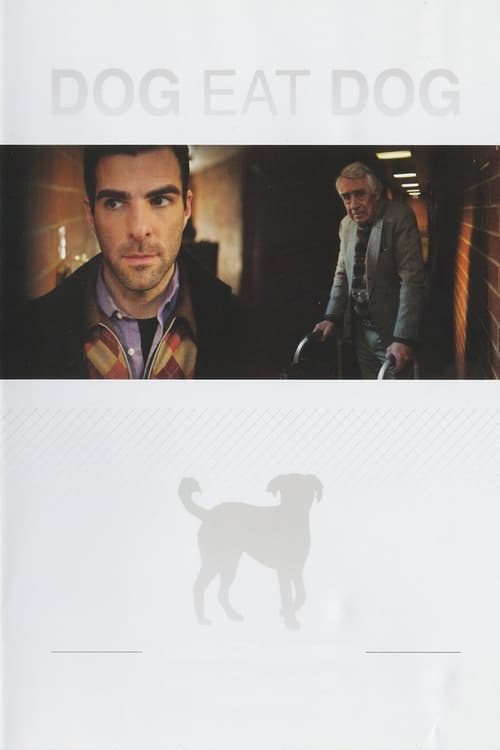
In the ending of "Dog Eat Dog," the three main characters, Troy, Mad Dog, and Diesel, find themselves in a chaotic and violent confrontation. After a series of betrayals and escalating tensions, the film culminates in a tragic and bloody showdown. Troy and Mad Dog's plans unravel, leading to a fatal conclusion for several characters, including Diesel, who meets a grim fate. The film closes with a sense of bleakness, underscoring the harsh realities of their criminal lives.
As the film approaches its climax, the tension among the three main characters--Troy, Mad Dog, and Diesel--reaches a boiling point. The scene opens in a dimly lit warehouse, where the air is thick with anticipation and the weight of their previous decisions hangs heavily. Troy, played by Nicolas Cage, is visibly agitated, his brow furrowed as he paces back and forth, contemplating the fallout of their latest heist gone wrong. His internal conflict is palpable; he is torn between his loyalty to his partners and the growing realization that their criminal lifestyle is spiraling out of control.
Mad Dog, portrayed by Willem Dafoe, stands off to the side, his demeanor erratic and unpredictable. He clutches a weapon tightly, his eyes darting around the room as if he senses the impending chaos. The tension between him and Troy is electric, filled with unspoken accusations and a shared history of violence. Diesel, the more level-headed of the trio, attempts to mediate the situation, but his efforts are met with hostility. He knows that their plan to kidnap a wealthy individual for ransom has gone awry, and the stakes are higher than ever.
As the confrontation escalates, the scene shifts to a nearby location where the kidnapped victim is being held. The camera captures the desperation in the victim's eyes, mirroring the turmoil within the trio. The stakes are not just financial; they are about survival and the lengths to which each character will go to escape their grim reality.
Back at the warehouse, the tension snaps. A violent altercation erupts as accusations fly, and the characters turn on one another. Troy, feeling cornered, lashes out at Mad Dog, blaming him for the mess they are in. Mad Dog, fueled by rage and paranoia, retaliates, leading to a brutal fight that spills into the open space of the warehouse. The camera captures the raw intensity of their struggle, the sound of fists hitting flesh echoing in the confined space.
In the chaos, Diesel tries to intervene, but his attempts to restore order only lead to further violence. The scene is chaotic, with shouts and the sound of breaking glass filling the air. As the fight reaches its peak, Diesel is caught in the crossfire, and the camera lingers on his face as realization dawns on him--he is in grave danger.
The climax reaches its tragic conclusion when Diesel is fatally wounded. The camera captures the moment in slow motion, emphasizing the horror of betrayal and the fragility of their lives. Troy, now filled with regret and despair, watches helplessly as Diesel falls, the weight of their choices crashing down on him.
In the aftermath, the warehouse is silent except for the sound of Troy's heavy breathing. He stands amidst the wreckage of their plans, the bodies of his friends lying around him. The emotional weight of loss and betrayal hangs in the air, and Troy's face reflects a mixture of grief and anger. He realizes that their lives have been consumed by violence, and there is no escape from the cycle they have created.
The film closes with Troy walking away from the scene, his silhouette framed against the dim light of the warehouse. The final shot lingers on the chaos left behind, a stark reminder of the consequences of their actions. The screen fades to black, leaving the audience with a haunting sense of the futility of their struggle and the harsh realities of their existence. Each character's fate serves as a grim testament to the dangers of their chosen path, encapsulating the film's exploration of loyalty, betrayal, and the brutal nature of survival in a world where only the ruthless thrive.
Is there a post-credit scene?
In the movie "Dog Eat Dog" (2012), there is no post-credit scene. The film concludes without any additional scenes or content after the credits roll. The story wraps up with the final events of the narrative, leaving the audience with the resolution of the characters' arcs and the consequences of their actions throughout the film.
What motivates the character Troy to take on the kidnapping job?
Troy, played by Nicolas Cage, is driven by desperation and a need for money. He is a recently released convict struggling to reintegrate into society, and the allure of a quick payday from the kidnapping job offers him a chance to escape his financial troubles and regain a sense of control over his life.
How does the relationship between Troy and Mad Dog evolve throughout the film?
Troy and Mad Dog, portrayed by Willem Dafoe, have a tumultuous relationship marked by tension and distrust. Initially, they are partners in crime, but as the plot unfolds, their differing motivations and moral compasses lead to conflict. Mad Dog's reckless nature clashes with Troy's more calculated approach, creating a rift that ultimately affects their fates.
What are the consequences of the botched kidnapping for the main characters?
The botched kidnapping leads to a series of violent and chaotic events that spiral out of control. For Troy and Mad Dog, the failure of their plan results in increased paranoia, betrayal, and ultimately, a confrontation with law enforcement. The consequences force them to confront their own moral failings and the reality of their criminal lifestyle.
What role does the character of the kidnapped man play in the story?
The kidnapped man, who is the target of Troy and Mad Dog's scheme, serves as a catalyst for the unfolding chaos. His presence heightens the stakes of the kidnapping, and his reactions to his captors reveal their vulnerabilities. As the plot progresses, he becomes a symbol of the unpredictability of their criminal endeavor.
How does the film depict the theme of loyalty among criminals through the characters?
Loyalty among criminals is depicted through the interactions and betrayals between Troy, Mad Dog, and their associates. The film explores how loyalty is tested in high-stakes situations, with characters making choices that reveal their true allegiances. As the plot progresses, the fragility of their bonds becomes evident, leading to moments of betrayal that underscore the harsh realities of their world.
Is this family friendly?
"Dog Eat Dog," produced in 2012, is not a family-friendly film. It contains several potentially objectionable or upsetting scenes and aspects that may be distressing for children or sensitive viewers.
-
Violence: The film features graphic violence, including physical confrontations and scenes of brutality that are intense and disturbing.
-
Language: There is frequent use of strong profanity throughout the film, which may be inappropriate for younger audiences.
-
Drug Use: The characters engage in drug use, which is depicted in a way that may be unsettling.
-
Crime and Morality: The narrative revolves around criminal activities, including robbery and betrayal, which may present a morally ambiguous environment.
-
Sexual Content: There are scenes that include sexual situations and suggestive themes that may not be suitable for children.
-
Psychological Tension: The film explores themes of desperation and moral decay, which can create a heavy emotional atmosphere.
Overall, the film's themes and content are geared towards an adult audience and may not be appropriate for children or those sensitive to such material.









