



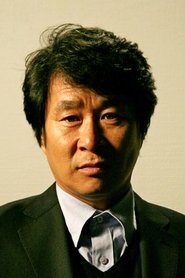
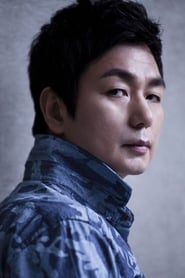
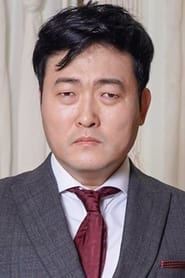



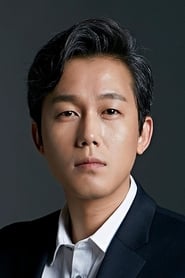
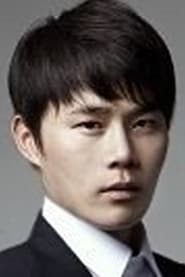

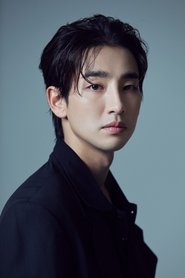
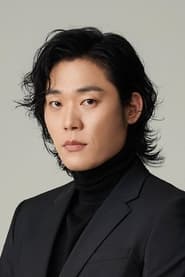

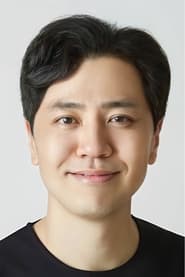

Popular
What significant events lead to the climax of the film?
What motivates the main character, Prithvi, throughout the film?
How does the relationship between Prithvi and his friend evolve during the film?
What role does the antagonist play in Prithvi's journey?
How does the film portray the theme of friendship through its characters?
Should I watch it?
Ask Your Own Question

What is the plot?
Lee Joon-seok sits on the edge of his narrow prison bunk, the gray morning light of Busan filtered through iron bars, painting a lattice on his face. The calendar on the wall says 2010, but he lives in 1993, in the courtroom where he raised his hand and confessed to ordering the death of his best friend, Han Dong-su. The echo of the judge's gavel still rings in his ears. Seventeen years have passed since that day, and yet every shout in the cell block, every clang of steel doors, is layered over with Dong-su's last breath.
The prison is his kingdom now. Within these concrete walls, Lee Joon-seok is boss. Guards step a little wider around him, inmates lower their eyes or nod in cautious respect. Word has long since spread that this is the man who once ruled Busan's underworld and took the fall for a murder that shook the city.
On the other side of the city, the story of that murder has shaped another life.
Choi Sung-hoon is in his early twenties, all sharp angles and coiled rage, standing in the cramped hallway of a worn apartment. His mother, Hye-ji, clutches her cheek, fresh from a slap. His stepfather, drunk, sways in front of him, shouting insults, fist raised again. Years of seeing his mother beaten come to a boil inside Sung-hoon. His vision tunnels, the hallway shrinking until there's only him and the man who dares to call himself father.
"Don't touch her again," Sung-hoon growls.
The man laughs and pushes past him to backhand Hye-ji once more. That sound--skin on skin--triggers something feral. Sung-hoon lunges.
His fists crash into the man's face, ribs, stomach. The stepfather stumbles, falling against the wall, but Sung-hoon doesn't stop. The thudding of blows fills the apartment, louder than Hye-ji's frantic cries of "Stop, Sung-hoon! Please, stop!" Furniture topples; glass shatters; blood smears on the wallpaper. The stepfather's screams turn into wet sobs, then into broken whimpers. By the time Sung-hoon steps back, chest heaving, the man is a crumpled, twitching figure on the floor, his face a ruin.
The assault does not kill the stepfather, but it leaves him severely traumatized, bones shattered, mind splintered. Neighbors call the police. Sirens soon wail through the night, blue and red reflections crawling along the walls of the building.
At the station, under harsh fluorescent lights, Sung-hoon sits handcuffed, eyes still burning with residual fury. He doesn't deny it. He doesn't ask for mercy. The court takes the brutal beating as proof of his dangerous temper, his "gang tendencies," and hands down a sentence that sends him straight into the same prison where Lee Joon-seok has been serving his time for nearly two decades.
When the transfer van's doors open, the noise of the yard hits him--the shouts, the clanging gates, the idle threats that float in the air like cigarette smoke. Sung-hoon steps down in prison blues, wrists chained to a group of other new arrivals. He tries to look unimpressed, but his eyes scan everything with animal wariness. The line of inmates presses closer, ogling the newcomers, sizing them up as potential victims, allies, or obstacles.
From a higher tier of the cell block, a middle-aged man watches the intake with a still gaze that people around him instinctively avoid disturbing. Lee Joon-seok leans against the railing, hands in pockets, the aura of someone who has survived long enough to become legend. A younger inmate whispers to another, "That's Jeon-seok. He runs this place."
Later, in the warden's small office, Hye-ji sits on a plastic chair, clutching her handbag with white knuckles. The fluorescent light buzzes above; the walls smell faintly of old coffee and disinfectant. Across from her sits Joon-seok, brought in under polite pretense, but escorted by a guard who knows better than to treat him like an ordinary prisoner.
"Oppa," Hye-ji begins, using the familiar honorific from their youth. Her voice trembles. "It's about my son. Sung-hoon."
He looks at her, the lines on his face softening with recognition. Hye-ji was once tied to his world through Han Dong-su--Dong-su, the boy who laughed with him in school and the man who died because of his order.
"He's in here now," she says, eyes wet. "With you. They… they said you control things inside. Please, I'm begging you. Look after him. He's Dong-su's son."
The name settles over the room like a shadow. Joon-seok sits silent for a long moment, his jaw tightening almost imperceptibly. Dong-su's son. The son of the man he killed. Fate, it seems, has a cruel sense of irony.
"Dong-su's son?" he repeats slowly.
"Yes." Hye-ji grips the edge of the chair. "He's… he's gone astray. He gets into fights, runs with gangs. But he's my son. And he's Dong-su's. I don't want him to die here."
Joon-seok looks down at his hands, hands that once signed the order that led to Dong-su's death. Protect the boy of the man he betrayed--this, perhaps, is a chance at some twisted redemption.
He nods once. "I'll keep an eye on him."
She exhales in relief. "Thank you. Thank you, oppa."
He does not tell her the truth--that he is the one who tore her husband away, that his promise now is built on a foundation of guilt. He simply stands when the guard nudges him, leaving her with a stiff, almost formal bow.
Back in the cell block, Sung-hoon's first day is a test of survival. A group of seasoned inmates corners him in the communal shower, their eyes predatory, amused by the fresh meat who still carries himself like he's on the outside. One of them, a thick-necked thug with a prison tattoo curling up his arm, shoves him against the tiled wall.
"You new kids never learn," the thug sneers. "In here, you pay to breathe."
Sung-hoon's lip curls. "I'm not paying you shit."
The blow comes fast--a fist to the stomach that knocks the wind from him. Another follows, cracking across his cheek. He staggers, but he's not the kind to crumble easily. He swings back, knuckles raking across the thug's jaw, sending him into the shower stream. The other men laugh, then pile on, fists and knees hammering into him. The metallic tang of blood fills his mouth.
The beating would continue, except a low voice cuts through the noise like a knife.
"Enough."
The word is calm, but it freezes everyone in place. The men turn. Standing at the shower entrance is Lee Joon-seok, a towel draped over his shoulder, eyes cold. Behind him, a couple of his loyal followers hover, ready to move if he gives a sign.
The thug steps back, suddenly respectful. "Hyung-nim. We were just--"
"I said, enough." Joon-seok's gaze lingers on him until the man drops his eyes and backs away.
The other inmates withdraw, grumbling, casting nervous looks at Sung-hoon; he is now marked by the boss's attention. Joon-seok steps closer, studying the younger man who breathes hard, water and blood mixing as they run down his chest.
"You've got a temper," Joon-seok says.
Sung-hoon lifts his chin, defiant even as his ribs ache. "They started it."
A corner of Joon-seok's mouth twitches, not quite a smile. "In here, who starts it doesn't matter. Only who finishes it."
He drops a towel onto the bench beside Sung-hoon. "Come see me later."
That night, in the mess hall, Joon-seok sits at his usual table, an unspoken perimeter around him. Sung-hoon approaches, plate in hand, feeling the weight of the room's attention. The veteran inmates watch closely. Is this new kid going to be absorbed into the boss's orbit, or chewed up and spat out?
"Sit," Joon-seok says.
Sung-hoon sits opposite him, eyes wary.
"I know your mother," Joon-seok says. "Hye-ji. She asked me to look after you."
The mention of his mother's name softens Sung-hoon's expression, just for a second. "She did?"
"She said you've made some… bad choices." Joon-seok eats calmly, not looking up. "She's worried."
"I can take care of myself," Sung-hoon mutters.
"That's what your father used to say."
The words hang in the air. Sung-hoon looks up sharply. "You knew my father?"
"Everyone knew Han Dong-su, back in the day," Joon-seok says, using only his friend's name. "We were… close."
Sung-hoon searches his face, sensing there's more, but unable to define it. Respect, resentment, grief--they all flicker across Joon-seok's features for a split second before he shutters them.
"How did he die?" Sung-hoon asks. The question has gnawed at him for years. He knows only fragments--muttered stories of gangster wars, the euphemism of "accident" thrown at him by adults who assumed the truth would break him.
"Gang business," Joon-seok says evenly. "Wrong place, wrong time."
He lies with practiced ease, the kind of lie that's become a part of his bone marrow. The real story--how he ordered the hit that ended Dong-su's life--stays locked behind his calm gaze.
"He was a good man," Sung-hoon says, voice tightening with a pain he rarely lets others hear. "Everyone says that."
Joon-seok nods, swallowing hard. "He was."
Over the following weeks, their relationship solidifies. Joon-seok intervenes when anyone tries to mess with Sung-hoon, quietly arranging for the younger man to have safer work assignments, better cellmates, fewer "accidents." In return, Sung-hoon runs small errands inside the prison for him--delivering messages, watching people, learning the informal hierarchy that Joon-seok has built.
In the exercise yard, they walk side by side, older lion and young wolf.
"You're reckless," Joon-seok observes after Sung-hoon gets into another fight, this time breaking a man's nose for an insult.
"You always talking about how to be careful?" Sung-hoon snorts. "You were a boss, right? You didn't get there by playing it safe."
"I got here," Joon-seok says, looking around at the fences topped with razor wire, "by not knowing when to stop."
Sung-hoon frowns. "You regret it?"
"Regret is for people who can change the past," Joon-seok says. "All we can do is choose what to do next."
There are days when he looks at the young man's face and sees a ghost--Dong-su's smile transposed onto a harsher, more wounded expression. He watches how Sung-hoon clings to loyalty, how he will throw himself into danger for someone he considers family, and it tightens the knot of guilt in his stomach.
As months pass, Sung-hoon rises within the prison's informal power structure under Joon-seok's protection. Younger inmates trail him, recognizing that proximity to the boss's favorite grants a degree of safety. Rumors swirl: some claim he's Joon-seok's long-lost son, others that he saved the older man's life in some unseen altercation. The truth--that he is the son of the man Joon-seok betrayed--remains unseen, a landmine waiting silently beneath the surface.
Outside the walls, time does not pause. Busan's skyline changes, new towers rising where old neighborhoods once sprawled, but the city's underbelly remains stubbornly familiar. The gang that Joon-seok once ruled has adapted to modern times--sleeker fronts, more corporate façades--but the blood in its veins is the same.
In a smoke-filled office overlooking a busy street, Yeog Eun-ki--his hair slicked back, his suit sharp and expensive--leans back in the boss's leather chair. Once, he stood behind men like Lee Joon-seok, an obedient subordinate who learned how to read people and exploit their weaknesses. Now he signs the deals, pockets the envelopes, and takes the bows of underlings who call him "hyung-nim" with a mixture of respect and calculation.
Eun-ki has been practically parading as the boss for years. With Joon-seok in prison, he gradually consolidated power, squeezing out rivals, buying off police, and edging out older loyalists who still mutter the former boss's name with reverence. In his office, a younger gangster remarks, "They say the old man might get out soon."
Eun-ki smiles thinly, eyes on the city outside. "Times change. People change. Even kings get old."
Back in prison, the news of potential parole trickles in through guards and visitors. One afternoon, a lawyer visits Joon-seok, sliding papers across the table in the visitation room.
"With good behavior and time served, there's a strong chance," the lawyer says.
Joon-seok listens, but his mind is elsewhere. "What's happening with the organization?"
The lawyer hesitates. "Eun-ki is… managing things. Business is good."
"Managing?" Joon-seok repeats. "Or leading?"
The lawyer's silence is answer enough. Joon-seok's eyes harden.
That night, in the dimly lit cell, he speaks with Sung-hoon.
"I may be getting out soon," he says.
Sung-hoon looks up from the floor where he's been doing push-ups. "Already?"
"Seventeen years," Joon-seok says quietly. "Longer than some people's entire lives."
"What are you going to do?" Sung-hoon asks.
"What I do best," Joon-seok replies. "Busan is still Busan. It needs a firm hand."
Sung-hoon smirks. "You're gonna take it back?"
Joon-seok meets his gaze, and there's a spark there, something conspiratorial. "Do you want to take over Busan with me?" he asks, the words half challenge, half invitation.
The idea ignites something in Sung-hoon. All his life, he has drifted between petty crimes and meaningless fights, his power spent on survival rather than purpose. The offer of an empire--of a legacy--seduces him.
"Yes," he says without hesitation. "Let's do it."
The day of release arrives with little ceremony. Early morning, the guards bring Joon-seok to processing. He exchanges the prison uniform for civilian clothes that hang a little differently on his older frame. His hair is flecked with gray now, but the lines of his body still carry the weight of command. At the gate, he pauses, looking back at the walls that have contained him for nearly two decades. The air outside smells different--open, electric.
Sung-hoon watches him go from the yard, fingers curled around the chain-link fence. For the first time in years, he feels the ache of being left behind. But he carries a new kind of hope: when he gets out, he will not be returning to the aimless streets. He will have a role, a mentor, a purpose. A city to conquer.
On the outside, Busan is both familiar and strange. The harbor still glitters under the sun, but new high-rises reflect that light differently. Joon-seok takes a deep breath and steps into a waiting car driven by an old subordinate--one of the few who have remained loyal in his absence.
They drive through the city, past corners that stir memories: the schoolyard where he and his childhood friends once laughed; the alley where he and Dong-su fought off an early rival; the hospital where he visited Dong-su's broken body in the first film's tragedy. Each landmark is a ghost.
The car pulls up in front of the gang's headquarters, now renovated with modern glass and polished marble. Inside, the air smells of money and cologne rather than cigarette smoke. Joon-seok walks through the lobby without acknowledging the receptionist who stares at him with faint recognition, as if seeing a legend return from exile.
In the main office, Yeog Eun-ki sits behind the big desk. For a heartbeat, the room is silent as old boss and new boss lock eyes.
"Hyung-nim," Eun-ki says, standing with an exaggerated bow. "Welcome back."
Joon-seok's gaze sweeps over the room, taking in the details--the expensive furnishings, the photos of Eun-ki shaking hands with businessmen, the array of subordinates clustered around, their body language oriented toward Eun-ki rather than him.
"You've done well for yourself," Joon-seok says evenly.
"Only carrying on your legacy," Eun-ki replies, his tone smooth. "We all thought of you, every day."
The lie sits between them, transparent. The old guard who accompany Joon-seok stand stiffly behind him. One of them, his face scarred by severe burns that snake up his neck, clenches his jaw. Those burns are a permanent reminder of a past act of loyalty--a time when he suffered for refusing to betray Joon-seok, his pain a testament to a different age of devotion.
In the days that follow, a quiet war begins. On the surface, Eun-ki treats Joon-seok with respect, inviting him to meetings, listening to his advice. Behind the scenes, he restricts access to money, excludes him from crucial deals, and ensures that younger members see him as a relic rather than a leader. Joon-seok, a "leader by nature," bristles but watches. He did not survive this long by acting impulsively.
He reconnects with old comrades in dim bars and old-style restaurants, places where the newer generation rarely ventures. These men--some missing fingers, others limping from old injuries--greet him with warmth and a hint of sorrow, sensing that their world is passing.
"Eun-ki's gotten too big for his shoes," one says, raising a glass. "He forgets who gave him those shoes."
"He forgets who taught him how to tie the laces," another mutters.
"We can take it back," says the burned subordinate, eyes burning with loyalty. "Say the word, hyung-nim."
"Not yet," Joon-seok says. "We need more than memories and scars."
His mind turns to the prison, to the young man still locked inside. Choi Sung-hoon has potential--a new generation's muscle and hunger. If he can combine the old guard's experience with Sung-hoon's youthful crew, he might tip the balance against Eun-ki.
He begins sending messages into the prison through trusted intermediaries--words of encouragement to Sung-hoon, hints about the war brewing on the outside. In the dorm-like cells, guards watch television while inmates whisper about shifting alliances. Sung-hoon listens, his imagination constructing images of a rising empire led by the mentor he admires.
Time passes. Inside, Sung-hoon keeps sharpening himself--physically, mentally. Outside, Eun-ki tightens his grip, growing bolder. There are skirmishes: loyalists of Joon-seok harassed in back alleys, small businesses that used to pay tribute to the old boss now squeezed harder by Eun-ki's men. Fists fly in narrow streets; knives flash once or twice. Men end up in hospitals with broken bones, some disappear into the harbor's dark waters. The names of these casualties rarely make the papers, their deaths swallowed by the criminal world's silence, but every loss deepens the feud.
Meanwhile, the story of how all this began is told in another time, like an echo.
Back in the 1960s, in flashbacks that splice into the present, a young Lee Cheol-joo walks through the alleys of an older Busan. He is Joon-seok's father--tall, confident, with a cigarette dangling from his lips and a gang of rough youths at his back. The streets are narrower, lined with wooden shacks and neons that flicker rather than blaze. He collects protection money from merchants with a smile and a slap on the shoulder, but when someone refuses, the smile drops and fists fly.
We see him in dated suits, hair slicked in the style of the era, knife glinting in the low light. He is ruthless when he needs to be, but charismatic, forming a code of loyalty that binds his men. He builds his power step by step, absorbing smaller crews, outwitting rivals, and slowly turning parts of Busan into his personal fiefdom.
Young Joon-seok appears at his side in these flashbacks, a boy watching his father with a mixture of adoration and fear. He sees the respect Cheol-joo commands, the way men bow and call him "boss." He also sees the blood--the way a man's body jerks when stabbed, the way a face changes when rage replaces fear. Cheol-joo's world becomes the blueprint for his son's future, even as he tells him, perhaps in a rare quiet moment, "Don't be like me."
Of course, he does become like him. The legacy is stamped too deeply.
Back in 2010, that legacy is about to multiply once more.
Eventually, Sung-hoon's own time in prison ends. On his release day, he steps out of the gates with a small plastic bag of belongings and a chip on his shoulder. The city greets him with the blast of traffic noise and the rush of cold air. He squints at the sunlight, then breaks into a smile when he sees who's waiting.
Two men lean against a car--a cheap sedan, but it looks like freedom. They are members of Sung-hoon's small gang from before prison, young men with cheap leather jackets and restless eyes.
"Hyung!" one shouts, rushing forward to clap him on the back. "You're out!"
"Damn, you look tougher," another laughs. "Did you fight the whole prison?"
"Something like that," Sung-hoon says, grinning, but his eyes are searching. "Where's…?"
"Boss sent us," the first one says. "He's waiting at the spot."
They drive through Busan's streets that have changed almost as much as Sung-hoon has. He watches the passing buildings, remembering the promise Joon-seok made: "Do you want to take over Busan with me?" His chest tightens with anticipation.
The "spot" turns out to be a modest office on a back street--Sung-hoon's crew's hangout. Inside, the air is thick with cigarette smoke and cheap air freshener. Young gangsters lounge around, playing cards, checking their phones, standing up when Sung-hoon enters.
"Boss!" someone calls.
"Not yet," Sung-hoon says. "Our boss is someone else."
Later that evening, he meets Joon-seok in a quiet restaurant, one that still looks like the old days--wooden tables, yellowed walls, a television in the corner playing news at low volume. The older man sits in a corner booth, a bottle of soju and two small glasses between them.
"You're thinner," Joon-seok says.
"You're older," Sung-hoon shoots back, sliding in opposite him.
They drink. The alcohol warms their blood, easing the stiffness of time apart.
"How is it?" Sung-hoon asks. "On the outside?"
"Complicated," Joon-seok replies. "Eun-ki's been playing king while I was gone."
"He respects you?" Sung-hoon asks, but his tone suggests he knows the answer.
Joon-seok's smile is humorless. "He respects my history. Not me."
"Then let's remind him who you are," Sung-hoon says, leaning forward. "You say the word, I'll bring my boys. We'll make him bow."
Joon-seok studies him. In Sung-hoon's eyes, he sees the same fire he once saw in the mirror. Part of him wants to protect the young man from what's coming. Another part--a colder, harder part--knows that he needs soldiers who will fight without hesitation.
"We'll move slowly," he says. "Take back what's ours piece by piece. No unnecessary noise."
He begins to loop Sung-hoon into the strategy: which businesses still quietly loyal to him, which lieutenants might be persuaded to change sides, where Eun-ki's operations are weakest. Sung-hoon, in turn, introduces his crew--kids who grew up in the new Busan, with different slang, different music, but the same hunger for respect and money.
The generational differences are striking. The older men talk about honor, about the "way things used to be," about codes and debts paid in blood. Sung-hoon's friends talk about fast cars and easy money. They laugh louder, swear more, question authority in a way that would have gotten them beaten senseless in the old days. The tension between these worlds is palpable, but for now, the shared goal of taking down Eun-ki keeps them aligned.
Soon, the streets feel the tremors of the coming storm. At a small bar known to be under Eun-ki's influence, a group of his men sit drinking late into the night. The door bursts open, and Sung-hoon strides in with a few of his own, baseball bats in hand. The room goes quiet.
"This place pays us now," Sung-hoon says, voice calm.
The oldest of Eun-ki's men laughs. "Kid, do you know whose name is on this place?"
"Yeah," Sung-hoon replies. "That's why we're here."
The first swing comes fast, cracking against a table, sending bottles and glasses flying. Shards of glass glitter in the air for a second, then chaos erupts. Fists, bats, and chairs fly. The fight is brutal but quick--exactly the kind of sudden, shocking violence that leaves an impact without lingering on gore. One of Eun-ki's men goes down hard, his head hitting the edge of the bar with a sickening thud. He doesn't get up. Blood pools under him, and though no one sticks around to check, the angle of his neck suggests he won't be waking again.
Word of the incident reaches Eun-ki by morning. He stands by the window of his office, looking down at the city with narrowed eyes, as a subordinate reports.
"They said the one leading them was young. Name's Choi Sung-hoon."
"Choi…?" Eun-ki turns the name over in his mind, then remembers. "Han Dong-su's son."
"Yes, hyung-nim."
Eun-ki's lips thin. "So the old man found himself a new dog."
He knows better than to underestimate someone who's survived both the streets and prison. He also knows the symbolic power of the son of Han Dong-su standing with Lee Joon-seok. It suggests the past is not settled, that old ghosts still walk.
As the gang disputes escalate, more bodies drop in alleys and warehouses. A truck loaded with smuggled goods is hijacked by masked men--Joon-seok's old guard and Sung-hoon's crew working together. The driver is beaten and left in a ditch, bruised but alive. At a gambling den, someone pulls a knife when tempers flare over turf. The blade finds a belly, and another nameless soldier of the underworld bleeds out on a sticky floor, staring up at the flickering lights as life drains away.
Each confrontation adds fuel to the fire. Eun-ki responds with his own tactics--attacks on businesses known to be tied to Joon-seok, ambushes of men leaving late-night meetings. One of Joon-seok's most loyal old comrades is cornered in a parking garage by a group of Eun-ki's thugs. He manages to take two down with a tire iron before a pipe catches him in the back of the head. He collapses, and the men don't stop, stomping until he's motionless. They leave his body sprawled beside his car, a warning to anyone thinking of siding with the "old man."
When the news reaches Joon-seok, he sits in silence for a long time, then pours a drink to the memory of his fallen friend. The deaths are starting to come closer.
Amid this, Sung-hoon's sense of belonging grows. He moves through the city like it is a board on which he and Joon-seok are playing a long, violent game. Each victory--each bar turned, each business reclaimed--feels like another step toward destiny. He idolizes Joon-seok, viewing him as the father he never had, or never got to know.
But fate has another twist prepared, waiting in the shadows of memory.
One evening, in a cramped room above a seedy club, Sung-hoon sits with some older gangsters--a mix of Eun-ki's and Joon-seok's men invited under a temporary truce. They drink and talk, old stories rising with the cigarettes smoke.
"Your father would be proud," one older man says, slapping Sung-hoon on the shoulder. "Han Dong-su always wanted a strong son."
"You knew him?" Sung-hoon leans in.
"Of course," the man says. "Back in the day, your father was something else. Walked into a room, and everyone looked. He was in a rival crew to Jeon-seok hyung, but they grew up together. Like brothers."
"Then why--" Sung-hoon starts, hesitating. "How did he… die?"
The man glances around, realizing he's wandered into dangerous territory. The younger crowd quiets, listening. He lowers his voice.
"It was messy," he says. "Gang war, like you heard. But what you probably didn't hear is… it wasn't some random hit. Orders came from the top."
"From who?" Sung-hoon asks, heart pounding.
The man hesitates again, torn between fear of the truth and the alcohol loosening his tongue.
"From Jeon-seok hyung," he mutters finally. "He had his reasons. Politics. But he gave the order."
The room seems to tilt around Sung-hoon. For a moment, he doesn't understand the words, as if they're in a foreign language. Then they slam into place, each syllable driving a spike through his chest.
"What did you say?" he demands, voice low.
"Hey, forget I said anything," the man says quickly, realizing his mistake. "It was a long time ago. Things were different then. They were all… crazy. Your father, Jeon-seok hyung, everyone."
But Sung-hoon is no longer listening. His mind races back through every conversation, every look, every time Joon-seok dodged questions about his father's death. The way he said "gang business" instead of giving details. The guilt in his eyes that Sung-hoon had written off as general regret.
He stumbles out of the room, ignoring calls behind him, and into the alley outside. The night air is cold, but his face burns. He leans against a wall, breathing hard. The image of his father--mythic, brave, wronged--warps as he overlays it with the image of Joon-seok, the man he had come to see as a father figure.
The man who ordered his real father's death.
When he meets Joon-seok next, the air between them is different. They sit in the same restaurant as before, but the warmth is gone. Joon-seok senses it instantly--he's survived too long not to notice shifts in people's eyes.
"You're quiet," he says.
"You lied to me," Sung-hoon replies.
The words are flat, but heavy. Joon-seok's chopsticks pause mid-air.
"About what?" he asks, though he already knows.
"My father." Sung-hoon's gaze is hard. "About how he died."
Joon-seok slowly sets his chopsticks down. The television in the corner mutters about a political scandal, oblivious to the real drama unfolding at the booth.
"What did you hear?" he asks.
"That it wasn't some random gang hit," Sung-hoon says. "That it was an order. From the top. From you."
Silence stretches between them. Outside, a car honks. Inside, someone laughs at another table, unaware.
"Is it true?" Sung-hoon demands.
Joon-seok looks at him, seeing not just the son of Han Dong-su, but the boy he has mentored, the young man he has led into this perilous world. The lie he has maintained for years sits like a stone on his tongue.
"Yes," he says finally. The word drops like a brick through glass.
Sung-hoon flinches as if struck. "You… killed him."
"I gave the order," Joon-seok says. "I didn't pull the trigger myself. But it's the same."
"Why?" The question bursts out, raw. "He was your friend!"
"He was my rival," Joon-seok says quietly. "He joined the enemy. Things were… complicated. If I hadn't done it, he would have done the same to me."
It is the language of the underworld, where friendship is constantly weighed against survival. But to Sung-hoon, it sounds like pure betrayal.
"You had seventeen years to tell me," he says, voice shaking with anger. "You let me sit with you, eat with you, call you hyung… You used me."
"I wanted to protect you," Joon-seok says. "From the truth. From this life."
"Protect me?" Sung-hoon laughs bitterly. "You dragged me into this life. You said, 'Do you want to take over Busan with me?' You wanted me as your dog, your weapon."
"I wanted to give you power," Joon-seok says, his own voice rising for the first time. "In this world, power is the only protection."
"I don't want your protection," Sung-hoon snaps. "I wanted my father."
Their plans, their shared dreams of conquering Busan, crumble in that moment. The alliance at the heart of their strategy fractures. The emotional center of the story shifts from ambition to betrayal.
Sung-hoon storms out of the restaurant, leaving Joon-seok sitting alone, the untouched food growing cold. The older man stares at the door long after it has swung shut, the echo of it closing sounding like a cell door in his mind.
The rift between them does not go unnoticed. Eun-ki's spies are everywhere, and the news that Han Dong-su's son has turned against Lee Joon-seok is too valuable to ignore.
In his office, Eun-ki smiles when he hears. "Of course," he says. "The past was always going to catch up."
He sees opportunity. If he can draw Sung-hoon to his side, he can destroy Joon-seok not just physically, but symbolically. The son of the murdered friend rejecting the killer--what better ending to the old legend?
He arranges a meeting through intermediaries. Sung-hoon, still burning with anger, agrees to hear him out.
They meet in a sleek lounge overlooking the harbor--Eun-ki's territory, not Joon-seok's old haunts. The room is populated with younger gangsters, women in trendy clothes, a DJ spinning low beats. It's a different world from the wooden tables and yellowed walls where Joon-seok likes to sit. It smells of new money and ambition.
"Choi Sung-hoon," Eun-ki says, approaching with open arms. "I've been wanting to meet you properly."
Sung-hoon doesn't bow. "Spare me the bullshit."
Eun-ki chuckles. "Straightforward. I like that."
He gestures for them to sit in a private corner. His tone is light, but his eyes take measure of the younger man--how he carries himself, where his gaze lingers, how he reacts to certain words.
"I heard you had a falling out with our old boss," Eun-ki says.
"He's your boss, not mine," Sung-hoon replies.
Eun-ki nods, as if in agreement. "He's an old story. You and me, we're the new one. The city's changed. The way we do things has changed. Men like him don't belong in this Busan anymore."
"You still work under his name," Sung-hoon points out.
"Out of respect," Eun-ki says smoothly. "But respect doesn't mean obedience. Tell me, what do you want, Sung-hoon? Really?"
"Justice," Sung-hoon says without hesitation. "For my father."
Eun-ki's smile fades to something more serious. "Your father was a good man. I knew him. He didn't deserve what happened to him."
"Then why did you follow the man who killed him?" Sung-hoon demands.
"Because this world isn't fair," Eun-ki says. "Sometimes you follow the man you hate until you're strong enough to stand on your own. I've waited a long time to step out of his shadow. Maybe you have too."
He leans in. "You want revenge? I can help you. But understand this: killing Lee Joon-seok won't just be about your father. It will be the end of an era. The old guard will fall, and we will build something new."
The idea of killing Joon-seok sits like a shard of ice in Sung-hoon's chest. He pictures the older man's face, the way he protected him in prison, the way he looked when he confessed. He also sees the hospital corridor of his childhood, his mother's tears, the empty space where a father should have been. His rage wins.
"I'll do it my way," he says. "I won't be your dog either."
Eun-ki raises his hands. "Of course. We're partners, not master and servant."
But in his mind, he's already moving pieces, imagining how to position Sung-hoon so that when the final blow comes, his own hands stay clean.
The city spirals toward a climax. Joon-seok, aware now that Sung-hoon has drifted into Eun-ki's orbit, feels the ground under him cooling. Old allies start hedging their bets. Some insist they're with him to the end, but their eyes flicker with doubt. Others quietly shift their loyalties, answering calls from Eun-ki's camp while maintaining polite contact with the old boss.
The violence escalates. One night, a car belonging to Eun-ki's lieutenant is found riddled with bullet holes under an overpass, its windows shattered, the driver slumped over the wheel, dead. The hit is clean, professional. People say it has Joon-seok's old-school style written all over it.
In retaliation, a warehouse that serves as one of Joon-seok's remaining strongholds goes up in flames. Inside, two of his men who were counting cash are trapped by the sudden inferno. Their screams are heard briefly by a passerby, then cut off as the roof collapses. Their bodies are later recovered, charred beyond recognition.
Each death sends new ripples of fear through the ranks. It isn't just nameless grunts dying anymore; these are lieutenants, men with stories and significance. The cost of loyalty rises.
Eventually, everything converges on a single night that feels like the inevitable end of this three-generation saga.
The location is fitting: an abandoned dockside warehouse, halfway between Joon-seok's old territory and Eun-ki's newer domain. The time is late--past midnight, when the harbor is quiet, and the city's more respectable citizens are asleep. The air is cold; the sky low with clouds reflecting the sodium lights below.
Joon-seok arrives with a small group of his most loyal men--including the burned subordinate and a couple of old comrades who have already lost too much to change sides now. Their faces are grim, their hands tucked inside jackets where weapons are hidden. They know they're walking into something dangerous--maybe a trap--but there's a sense of fatalism among them. This is the kind of night mafiosos have nightmares and fantasies about.
Inside the warehouse, the shadows are thick. Crates sit in rows, relics of legitimate commerce long replaced by darker trades. The smell of saltwater mixes with oil and old wood.
On the other side, Eun-ki's men move into position, slipping between crates with practiced ease. At the center of it all stands Yeog Eun-ki himself, straightening his tie, making sure his hair is perfect even for this.
And somewhere in the labyrinth of crates and shadows, Sung-hoon waits, his heart a battlefield. He holds a pistol--a new kind of power, heavier than the bats and knives he's used to. His hands tremble slightly, whether from cold or conflict he can't say.
He knows the plan, at least the one Eun-ki suggested: draw Joon-seok deeper into the warehouse, separate him from his men, then take the shot. Simple. Clean. Poetic. The son kills the father-figure who killed the father, and Eun-ki steps into the vacuum as the new king of Busan.
But reality is rarely as simple as plans.
When Joon-seok steps inside, his eyes adjust quickly. He reads the space like a chessboard, noting possible ambush points, the echo patterns of footsteps, the faint glints that betray hidden eyes.
"Eun-ki!" his voice rings out, strong. "Let's finish this."
Eun-ki steps into the open, flanked by a few men. "Hyung-nim," he says, with mocking respect. "You should be home, resting. This isn't your time anymore."
Joon-seok smirks. "I was born in these shadows. You just rent them."
The stand-off escalates quickly. Men spread out, forming a loose circle around the two leaders. Guns are drawn, aiming, fingers hovering near triggers. The air is electric with the possibility of sudden, chaotic violence.
"Where is he?" Joon-seok demands, eyes scanning the shadows.
"Who?" Eun-ki asks innocently.
"You know who," Joon-seok says. "Sung-hoon."
As if summoned, Sung-hoon steps out from behind a stack of crates, the gun in his hand gleaming under the warehouse lights. He walks slowly, his footsteps echoing. Every eye turns to him, the gravitational center shifting.
"Here," he says.
The sight of him in Eun-ki's territory, weapon in hand, hits Joon-seok like a blow. For a moment, the old boss's composure cracks.
"You came," he says.
"You asked me if I wanted to take over Busan with you," Sung-hoon replies. "You forgot to tell me I'd be helping the man who killed my father."
The accusation hangs between them. Eun-ki smiles faintly, enjoying the drama.
"Sung-hoon," Joon-seok says. "This isn't the way. Whatever you think of me, Eun-ki is using you. When this is over, he won't need you anymore."
"You used me first," Sung-hoon says.
"Maybe," Joon-seok admits. "But I also protected you. In there. Out here. Ask yourself--who treated you like a son?"
"I don't need a father," Sung-hoon says. "I need an end."
His finger tightens on the trigger.
In that frozen instant, the three generations of gangster legacy converge: Lee Cheol-joo, who built this kind of world; Lee Joon-seok, who inherited and twisted it; Choi Sung-hoon, who is both victim and product of it. The weight of all their choices presses down on this one act.
A shot rings out.
For a heartbeat, no one knows who fired, or who was hit. Then Joon-seok staggers, a blooming stain spreading across his shirt. He looks down at the red, then up at Sung-hoon, his face strangely calm.
The men around them explode into motion. Some dive for cover; others fire wildly. Bullets ricochet off metal, punching holes into crates, sending splinters flying. The sudden, chaotic violence Kwak Kyung-taek is known for erupts, disorienting and brutal. Men shout, scream, fall. Some die instantly, bullets finding hearts or heads. Others clutch wounds, crawling behind cover as blood streaks the floor.
Eun-ki ducks behind a crate, barking orders. His men return fire methodically. Two of Joon-seok's loyal old comrades are hit--one in the neck, collapsing with blood gushing between his fingers; the other in the abdomen, who slumps against a crate, breathing raggedly until a second shot finishes him. The burned subordinate, seeing his boss wounded, charges forward with a roar, only to be cut down by a spray of bullets. He dies a few feet from Joon-seok, eyes open, staring at the ceiling beams.
Through it all, Sung-hoon stands rooted, the gun still in his hand, smoke curling from the barrel. He watches Joon-seok fall to one knee, then to the floor, the older man's life literally spilling out onto the warehouse concrete.
Joon-seok looks up at him, his breathing shallow. In that gaze, there is no anger. Only a tired kind of acceptance.
"I guess… this is… your Busan now," he manages, a hint of his old dry humor peeking through the pain.
Sung-hoon's face contorts. This is what he wanted--revenge, an end to the man who killed his father. But the reality is messier. He thinks of the shower where Joon-seok saved him from a beating, the mess hall conversations, the nights spent planning their future. He has killed his father's murderer and, in some sense, his own twisted father figure simultaneously.
"Why didn't you fight back?" he asks, voice shaking.
"I've been fighting my whole life," Joon-seok whispers. "Maybe… it's time to stop."
His eyes drift upward, seeing something beyond the warehouse--maybe the faces of his childhood friends, Jung-ho and Sang-taek; maybe Han Dong-su as he once was, laughing on a schoolyard. He exhales, the sound soft. His chest rises once more, then falls, and does not rise again.
Lee Joon-seok dies on the warehouse floor, killed by Choi Sung-hoon, the son of the friend he betrayed. His death is the culmination of decisions made decades ago, echoing across three generations.
Around them, the gunfight peters out. Bodies lie scattered--Eun-ki's men and Joon-seok's, young and old, their lives cut off by bullets whose trajectories were set in motion long before tonight. Some moan in pain; others are very still. The air is thick with gunpowder, dust, and the metallic scent of blood.
Eun-ki steps out from cover, dusting off his suit jacket. He looks at Joon-seok's body and sighs theatrically.
"So this is how the great Lee Joon-seok ends," he says. "Shot by a kid."
His gaze shifts to Sung-hoon. "Well done," he says. "You did what needed to be done."
Sung-hoon's grip tightens on the pistol. Part of him wants to turn it on Eun-ki now, to end all of it. Another part is numb, his brain buzzing with the enormity of what just happened.
"You got what you wanted," he says to Eun-ki. "The old man's dead."
"And you got your revenge," Eun-ki says. "We both win."
No one wins, Sung-hoon thinks, but doesn't say. He looks down at his hands, at the gun, at the blood on the floor. The legacy he has just claimed is stained through.
The sirens are already wailing in the distance--someone nearby must have heard the gunshots and called the police. Eun-ki knows he cannot be here when they arrive.
"Let's go," he says to his remaining men, then adds to Sung-hoon, "Come with us. You don't want to be found standing over that body."
"I'm not running," Sung-hoon replies.
Eun-ki studies him for a moment, then shrugs. "Suit yourself. But remember this, Sung-hoon: in this world, hesitation gets you killed."
He walks out, his men in tow, stepping over bodies without looking down. He leaves the warehouse like a man leaving a meeting, not a battlefield. For him, this is just another step toward consolidating power. With Joon-seok dead, there's one less legend to compete with.
Inside, the warehouse falls quiet. The sirens grow louder.
Sung-hoon kneels beside Joon-seok's body, the gun slipping from his hand and clattering to the floor. He reaches out, almost touching the older man's shoulder, then stops. Tears sting his eyes, but he blinks them back. Gangsters don't cry, he tells himself, even as his chest aches.
"Father," he whispers, but it's unclear whether he means his real father, Han Dong-su, or the one lying here.
He stays there, frozen, until the police burst in, weapons drawn, shouting commands. Red and blue lights strobe through the warehouse's broken windows, painting the carnage in harsh colors.
"Freeze! Drop the weapon!"
The gun is already on the floor, far from his hand. He raises his arms slowly. The officers move in, cuffing him, pulling him away from the body.
As they drag him out, he looks back one last time at Lee Joon-seok, lying where he fell, and something in him closes. He has completed a circle of vengeance, but instead of feeling liberated, he feels hollow. The legacy he has inherited is not a crown, but a chain.
In the aftermath, the story spreads through Busan's underworld like wildfire. The great Lee Joon-seok is dead, killed by Han Dong-su's son. Yeog Eun-ki steps fully into the light as the new boss, though whispers say he only won because the old lion was wounded from within. Older gangsters shake their heads, muttering about how the old codes have been broken, how the new generation kills without honor, without understanding the weight of what they do.
In prison--once again--Sung-hoon walks the corridors with a different posture. He is not just another inmate now; he is the man who killed Lee Joon-seok. Some look at him with awe, others with fear, still others with pity. The guards talk about him in hushed tones, their glances sharp but wary. The place he once navigated with Joon-seok's protection is now a different kind of cage--one he stepped into willingly, in pursuit of revenge.
At night, in his bunk, he stares at the ceiling, replaying that moment in the warehouse over and over--the look in Joon-seok's eyes, the feel of the gun kicking in his hand, the way the older man fell. He also sees flashes of the 1960s, though he was never there--the flashbacks of Lee Cheol-joo's rise, the brutal fights in back alleys, the deals made over cheap liquor. He realizes that those images have lived in him through the stories told by men like Joon-seok, passed down like a cursed inheritance.
Somewhere in his mind, the three stories--Cheol-joo's, Joon-seok's, his own--intertwine, forming a tragic braid that spans nearly fifty years, from 1963 to 2010. The city of Busan remains the constant backdrop, absorbing their blood and secrets, its streets bearing the invisible scars of their wars.
The final scenes of the film look back, revealing unknown questions from the first story, tying loose threads into a knot. We see, in montage, moments from Joon-seok's youth with Dong-su and their two friends, Jung-ho and Sang-taek: running through school corridors, sharing cigarettes on rooftops, swearing eternal friendship. Then we see the later years--the courtroom where Joon-seok confessed, the prison yard where he became king, the quiet conversations in visiting rooms where Hye-ji begged him to watch over her son.
We see Han Dong-su's face, smiling in old photographs, then fading into the face of Sung-hoon, hardened by life. We see Lee Cheol-joo's shadow looming over his son, then receding as the camera lingers on empty streets where their footsteps once echoed.
The last image settles on Busan itself--its harbor, its skyline, its maze of streets lit by neon and streetlamps. Cars move, people walk, life continues. The camera pans slowly, as if searching for the ghosts that haunt these corners: a young boy watching his father collect protection money; four friends laughing; a man in a prison yard extending a hand to a younger man; a gun flashing once in a warehouse.
They are all there, invisible but present. Three gangsters' stories spanning from 1963 to 2010 have unfolded, each feeding into the next, each death and betrayal seeding the future. Lee Joon-seok is dead by Sung-hoon's hand. Han Dong-su is long dead by Joon-seok's order. Countless nameless soldiers have fallen in between, cut down in backroom brawls, street ambushes, or warehouse shootouts, their blood soaking into the same ground.
Yeog Eun-ki lives, his power solidified, but the film leaves him not in triumph, but as just another man perched precariously atop a violent empire, destined one day to face his own successor's betrayal. Hye-ji lives, somewhere in a small apartment, mourning a husband lost long ago and a son now caught in the same web that claimed the men in her life.
Choi Sung-hoon lives, but behind bars, bearing the weight of both revenge and remorse. He has broken the cycle by killing Joon-seok, yet also perpetuated it by choosing violence as the solution. His future is uncertain, but his past is inescapable.
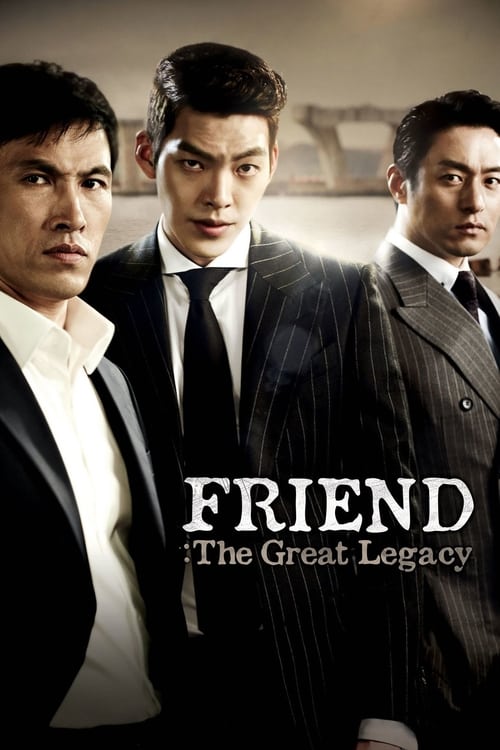
Friend: The Great Legacy ends not with redemption, but with a clear-eyed acknowledgment of how crime, family, and betrayal echo through generations, leaving scars on people and cities alike. It offers a "good ending story for the first one," not because anyone walks away unscathed, but because the unfinished business of that fateful day--when Lee Joon-seok ordered Han Dong-su's death--is finally resolved, fully and brutally, in the only currency this world understands: blood.


What is the ending?
In the ending of "Friend: The Great Legacy," the main characters confront their pasts and the consequences of their actions. The film culminates in a dramatic showdown that tests their friendships and loyalties. Ultimately, they find resolution and redemption, leading to a bittersweet conclusion where they must part ways but carry the lessons learned from their experiences.
As the final act unfolds, the tension escalates. The protagonist, who has been grappling with feelings of betrayal and loss, faces off against the antagonist in a climactic confrontation. The setting is charged with emotion, as the weight of their shared history hangs heavily in the air. The protagonist's internal struggle is palpable; they are torn between seeking revenge and the desire for reconciliation.
In a pivotal scene, the protagonist confronts the antagonist in a deserted warehouse, the dim lighting casting long shadows that symbolize the darkness of their past. The air is thick with unspoken words and unresolved feelings. As they exchange heated dialogue, the protagonist reveals their pain and the impact of the antagonist's choices on their life. The antagonist, in turn, shows signs of remorse, hinting at a desire for redemption.
The confrontation escalates into a physical struggle, showcasing the raw emotions that have been building throughout the film. The fight is intense, filled with moments of vulnerability and strength. As they grapple, flashbacks intersperse the action, revealing key moments from their shared history that led to this point. These memories serve to deepen the audience's understanding of their motivations and the complexity of their relationship.
In the aftermath of the fight, both characters are left battered but changed. The protagonist, having gained a sense of closure, chooses to walk away rather than deliver a final blow. This decision signifies a shift in their character, moving from a place of vengeance to one of forgiveness. The antagonist, now visibly shaken, acknowledges their wrongdoings and expresses a desire to make amends, though it is clear that the road to redemption will be long and difficult.
As the dust settles, the remaining characters gather to support the protagonist. They share a moment of reflection, acknowledging the trials they have faced together. Each character's fate is revealed: some choose to pursue new paths, while others decide to stay connected, vowing to support one another in their journeys ahead. The film closes with a poignant scene of the protagonist standing alone, looking out at the horizon, symbolizing hope and the possibility of a new beginning.
In the final moments, the screen fades to black, leaving the audience with a sense of bittersweet resolution. The characters have faced their demons and emerged transformed, carrying the weight of their experiences but also the promise of growth and healing. The legacy of their friendship, though tested, remains a powerful force in their lives, reminding them of the importance of connection and understanding in the face of adversity.
Is there a post-credit scene?
In the movie "Friend: The Great Legacy," there is indeed a post-credit scene that adds an intriguing layer to the story. After the main credits roll, the screen fades back in to reveal a dimly lit room where a group of characters, previously seen in the film, are gathered around a table. The atmosphere is tense, filled with a sense of anticipation and unresolved conflict.
As the camera pans across the faces of the characters, their expressions range from determination to uncertainty. One character, who has been a pivotal figure throughout the film, stands up and addresses the group. They discuss the implications of the events that transpired, hinting at a larger conspiracy that has yet to be uncovered. The dialogue is charged with emotion, revealing their fears and hopes for the future.
The scene culminates in a dramatic moment when one character receives a mysterious phone call. The look on their face shifts from confusion to alarm, suggesting that the story is far from over. The screen then fades to black, leaving the audience with a sense of suspense and the possibility of further adventures or challenges ahead.
This post-credit scene effectively teases potential sequels or deeper explorations of the characters' journeys, inviting viewers to reflect on the themes of friendship, loyalty, and the consequences of their actions.
What significant events lead to the climax of the film?
Key events leading to the climax include a series of betrayals, escalating conflicts with the antagonist, and pivotal moments where Prithvi must choose between his own safety and the well-being of his friend. These moments build tension and set the stage for the film's dramatic conclusion.
What motivates the main character, Prithvi, throughout the film?
Prithvi is driven by a deep sense of loyalty and friendship, particularly towards his childhood friend, who becomes embroiled in a dangerous situation. His internal struggle between his personal ambitions and his commitment to his friend creates a compelling emotional arc.
How does the relationship between Prithvi and his friend evolve during the film?
Initially, Prithvi and his friend share a strong bond rooted in their childhood experiences. As the plot unfolds, external pressures and conflicts test their friendship, leading to moments of tension, betrayal, and ultimately, reconciliation as they navigate the challenges together.
What role does the antagonist play in Prithvi's journey?
The antagonist serves as a catalyst for Prithvi's transformation. Their confrontations force Prithvi to confront his fears and insecurities, pushing him to grow stronger and more determined to protect his friend, which ultimately shapes his character development.
How does the film portray the theme of friendship through its characters?
The film intricately weaves the theme of friendship through the characters' interactions, showcasing moments of support, sacrifice, and conflict. Prithvi's unwavering dedication to his friend, despite the challenges they face, highlights the depth and complexity of their relationship.
Is this family friendly?
"Friend: The Great Legacy" is a film that contains several elements that may not be suitable for younger audiences or sensitive viewers. Here are some potentially objectionable or upsetting aspects:
-
Violence: The film includes scenes of physical confrontations and gang-related violence, which may be intense and distressing for children.
-
Emotional Turmoil: Characters experience significant emotional struggles, including betrayal, loss, and the impact of friendship on personal choices, which could be heavy for younger viewers to process.
-
Themes of Betrayal: The narrative explores themes of loyalty and betrayal among friends, which may be upsetting for children who are sensitive to issues of trust and friendship.
-
Mature Language: There are instances of strong language that may not be appropriate for younger audiences.
-
Crime and Gang Culture: The portrayal of gang life and criminal activities may be disturbing and could raise questions that younger viewers may not be ready to handle.
These elements contribute to a more mature viewing experience, and parental discretion is advised when considering this film for children.









