








Popular
What role does the character of Sarah play in the story?
What happens to the train conductor during the film?
How does the character of Lewis change throughout the film?
What is the significance of the character of the elderly man on the train?
How do the passengers react to the unfolding crisis on the train?
Should I watch it?
Ask Your Own Question

What is the plot?
Sorry, we aren't able to watch and write up a full detailed plot yet. Check back in a few days.









What is the ending?
In the ending of "Last Passenger," the train continues to speed out of control, and the remaining passengers, including the protagonist, must confront their fate. The main character, Lewis, sacrifices himself to save the others, allowing them to escape. The film concludes with a sense of loss and survival as the remaining characters face the aftermath of their harrowing experience.
As the climax of "Last Passenger" unfolds, the train hurtles through the darkened landscape, the sound of the engine roaring like a beast unleashed. Inside, the atmosphere is thick with tension and fear. Lewis, the protagonist, is determined to save the remaining passengers, which include a mother, her young son, and a few other stragglers who have banded together in this dire situation.
Scene by scene, the narrative intensifies. The train speeds uncontrollably, and the passengers are gripped by panic. Lewis, a doctor by profession, takes charge, trying to maintain calm among the chaos. He reassures the frightened mother, Sarah, and her son, Ben, who cling to each other, their faces pale with terror. The urgency of the situation weighs heavily on Lewis as he realizes that time is running out.
As they approach a critical juncture, the train's brakes fail completely, and the passengers are thrown into a frenzy. Lewis devises a plan to stop the train, but it requires a selfless act. He knows that to save the others, he must confront the train's engineer, who has been incapacitated by a heart attack earlier in the film. With a heavy heart, Lewis makes the decision to sacrifice himself, knowing that it is the only way to give the others a chance to escape.
In a heart-pounding sequence, Lewis climbs through the train cars, navigating the chaos and debris. He reaches the front of the train, where he finds the engineer's lifeless body. With no time to waste, he takes control of the train, desperately trying to regain some semblance of control. The camera captures the sweat on his brow and the determination in his eyes as he fights against the odds.
Meanwhile, Sarah and Ben, along with the other passengers, prepare to jump from the train. They share a moment of connection, a silent understanding of the gravity of their situation. As the train barrels toward an inevitable crash, Lewis radios for help, his voice filled with urgency and desperation. He knows he may not survive, but he is resolute in his mission to save the others.
In the final moments, Lewis manages to slow the train just enough for the remaining passengers to leap to safety. The scene is fraught with tension as they jump, the ground rushing up to meet them. Lewis, however, remains on the train, his fate sealed as the train careens toward a catastrophic end. The screen fills with a blinding light as the train crashes, and the sound of metal grinding against metal echoes in the silence that follows.
The film concludes with Sarah and Ben, along with the other survivors, standing at a distance, watching the wreckage. Their faces are a mixture of relief and sorrow, knowing that they have escaped but at a great cost. The emotional weight of Lewis's sacrifice hangs heavy in the air, a poignant reminder of the fragility of life and the bonds formed in the face of adversity. The camera lingers on their expressions, capturing the profound impact of the ordeal they have endured together. The screen fades to black, leaving the audience with a sense of both loss and survival, encapsulating the film's exploration of heroism and the human spirit in the face of overwhelming odds.
Is there a post-credit scene?
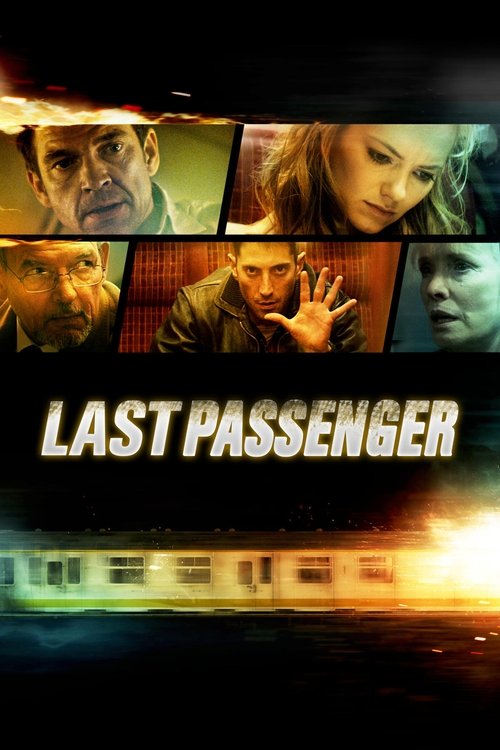
The movie "Last Passenger," produced in 2013, does not have a post-credit scene. The film concludes with the resolution of the main plot, focusing on the harrowing experience of the characters aboard a runaway train. After the climax, the story wraps up without any additional scenes or hints at future developments during or after the credits. The ending leaves viewers with a sense of closure regarding the fate of the characters and the events that transpired.
What role does the character of Sarah play in the story?
Sarah is a fellow passenger who becomes a source of emotional support for Lewis. As the events unfold, she demonstrates resilience and bravery, helping to rally the other passengers and providing a sense of hope amidst the chaos.
What happens to the train conductor during the film?
The train conductor, who is initially seen as a competent and calm figure, becomes increasingly frantic as the situation escalates. He tries to regain control of the runaway train but ultimately meets a tragic fate when he is unable to stop it, highlighting the dire circumstances the passengers face.
How does the character of Lewis change throughout the film?
Lewis, a single father, starts off as a somewhat reserved and anxious character, primarily focused on his son. As the crisis unfolds, he transforms into a more decisive and courageous figure, taking on a leadership role among the passengers and fighting to protect his son and the others.
What is the significance of the character of the elderly man on the train?
The elderly man serves as a representation of wisdom and experience. His calm demeanor contrasts with the panic of the other passengers, and he often provides insight and perspective, reminding them of the importance of staying together and maintaining hope.
How do the passengers react to the unfolding crisis on the train?
The passengers exhibit a range of emotions from panic and fear to determination and solidarity. As the situation becomes more dire, they initially struggle with disbelief and chaos, but gradually, some begin to work together, showcasing their resilience and the human spirit in the face of danger.
Is this family friendly?
"Last Passenger," produced in 2013, is a thriller that may not be considered family-friendly due to its intense and suspenseful nature. Here are some potentially objectionable or upsetting aspects that could affect children or sensitive viewers:
-
Tension and Suspense: The film is filled with high-stakes moments that create a sense of dread and anxiety, which may be overwhelming for younger audiences.
-
Dangerous Situations: Characters find themselves in perilous scenarios, including being trapped on a runaway train, which can evoke feelings of fear and helplessness.
-
Violence: There are scenes that depict aggressive behavior and confrontations, which may be unsettling for some viewers.
-
Emotional Distress: Characters experience significant emotional turmoil, including fear for their lives and the lives of their loved ones, which can be distressing.
-
Death and Loss: Themes of mortality and the potential loss of life are central to the plot, which may be too intense for younger viewers.
Overall, the film's suspenseful atmosphere and mature themes make it more suitable for older teens and adults rather than children.








