





Popular
What challenges did Ray Mancini face in his boxing career?
How did Ray Mancini's relationship with his father influence his career?
What was the significance of Ray Mancini's fight against Duk Koo Kim?
How did Ray Mancini cope with the aftermath of his fights?
What role did the media play in Ray Mancini's career?
Should I watch it?
Ask Your Own Question

What is the plot?
Sorry, we aren't able to watch and write up a full detailed plot yet. Check back in a few days.
More Movies Like This
Browse All Movies →





What is the ending?
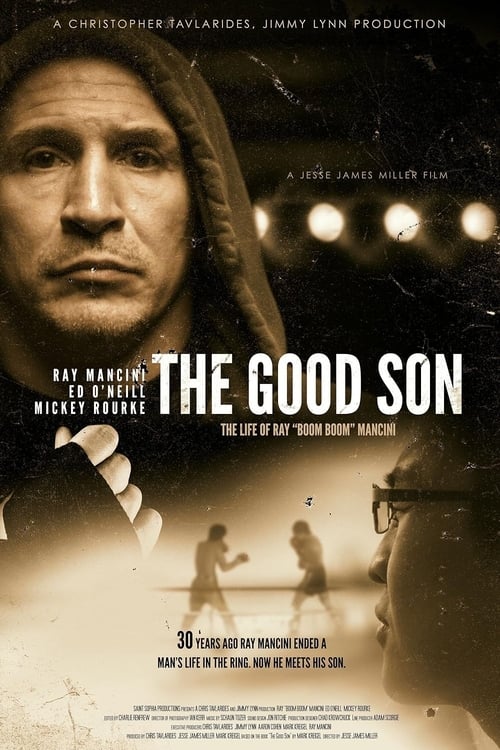
In the ending of "The Good Son: The Life of Ray Boom Boom Mancini," Ray Mancini faces the aftermath of his boxing career, reflecting on his life and the impact of his actions. The film concludes with Ray coming to terms with his legacy, the sacrifices made, and the emotional toll of the sport, particularly after the tragic death of his opponent, Duk Koo Kim.
As the film progresses towards its conclusion, we see Ray Mancini grappling with the weight of his achievements and the consequences of his profession. The narrative shifts to a somber tone as Ray recalls the fateful fight against Duk Koo Kim, which ended in tragedy. The scene is heavy with emotion, showcasing Ray's internal conflict and guilt over the death of Kim, who succumbed to injuries sustained during their match.
In the aftermath of the fight, Ray is depicted in a state of despair, haunted by the memory of Kim and the impact it had on both their families. The film captures Ray's struggle with the public's perception of him as a champion and the personal turmoil he faces as he tries to reconcile his success with the loss of life that came with it.
As Ray reflects on his career, we see him visiting Kim's family, a poignant moment that underscores his remorse and desire for closure. This visit is filled with emotional weight, as Ray expresses his sorrow and seeks forgiveness, highlighting the human cost of boxing and the bonds that are formed and broken within the sport.
The film concludes with Ray finding a sense of peace, acknowledging the complexities of his life as a boxer. He embraces his role as a father and a mentor, determined to use his experiences to guide others. The final scenes depict Ray moving forward, not as a champion in the ring, but as a man who has learned from his past and is committed to making a positive impact in the lives of those around him.
In summary, the ending of "The Good Son: The Life of Ray Boom Boom Mancini" encapsulates Ray's journey of self-discovery, the heavy burden of his choices, and the enduring spirit of resilience as he navigates the aftermath of his boxing career.
Is there a post-credit scene?
The movie "The Good Son: The Life of Ray Boom Boom Mancini," produced in 2013, does not feature a post-credit scene. The film concludes with a poignant reflection on Ray Mancini's life and career, focusing on his journey as a boxer and the personal challenges he faced, particularly the impact of his father's legacy and the tragic events surrounding his boxing matches. The ending emphasizes themes of resilience, family, and the emotional weight of fame, leaving the audience with a sense of closure regarding Mancini's story without any additional scenes after the credits.
What challenges did Ray Mancini face in his boxing career?
Ray Mancini faced numerous challenges throughout his boxing career, including the pressure of living up to his father's legacy as a former boxer, the intense scrutiny from the media, and the physical and emotional toll of the sport. His rise to fame was marked by a series of tough fights, including his bout against the formidable opponent, Arturo Gatti, which tested his skills and resilience.
How did Ray Mancini's relationship with his father influence his career?
Ray Mancini's relationship with his father, Lenny Mancini, played a crucial role in shaping his boxing career. Lenny, a former boxer himself, instilled a strong work ethic and a sense of discipline in Ray. However, the pressure to succeed and the desire to make his father proud often weighed heavily on Ray, leading to moments of internal conflict and emotional struggle as he navigated the highs and lows of professional boxing.
What was the significance of Ray Mancini's fight against Duk Koo Kim?
The fight between Ray Mancini and Duk Koo Kim was a pivotal moment in Mancini's career and had profound implications for the sport of boxing. The match, which took place in 1982, was brutal and ended tragically with Kim's death shortly after the fight. This event haunted Mancini, leading him to grapple with feelings of guilt and responsibility, and it sparked discussions about the safety and ethics of boxing.
How did Ray Mancini cope with the aftermath of his fights?
After his fights, particularly the traumatic bout with Duk Koo Kim, Ray Mancini struggled with the emotional and psychological aftermath. He experienced feelings of guilt and depression, questioning the nature of his profession and the impact it had on his opponents. Mancini sought solace in his family and friends, but the burden of his experiences lingered, influencing his perspective on life and boxing.
What role did the media play in Ray Mancini's career?
The media played a significant role in shaping Ray Mancini's public persona and career trajectory. Initially, they celebrated him as a rising star in boxing, highlighting his charisma and fighting style. However, as his career progressed, the media scrutiny intensified, especially following the tragic events surrounding his fights. This attention affected Mancini's mental state, as he navigated both the adulation and criticism that came with being a public figure in the sport.
Is this family friendly?
"The Good Son: The Life of Ray Boom Boom Mancini" is a documentary that explores the life and career of the professional boxer Ray Mancini. While it provides an insightful look into his journey, there are several aspects that may be objectionable or upsetting for children or sensitive viewers:
-
Boxing Violence: The film includes footage of boxing matches that depict physical violence, injuries, and the brutal nature of the sport, which may be distressing for some viewers.
-
Tragic Events: The documentary addresses the tragic incident involving Mancini's opponent, Duk Koo Kim, who suffered a fatal injury during a match. This topic is handled with sensitivity but may still be upsetting.
-
Emotional Struggles: Mancini discusses his personal struggles, including the emotional toll of his career and the impact of loss, which may resonate deeply and evoke strong feelings.
-
Family Dynamics: The film touches on Mancini's family relationships, including the pressures and expectations placed on him, which may be intense for younger viewers to process.
-
Themes of Loss and Grief: The exploration of loss, both in the ring and in Mancini's personal life, may be heavy and difficult for sensitive audiences.
Overall, while the film is a tribute to Mancini's life and achievements, its themes and content may not be suitable for all children or sensitive viewers.






