
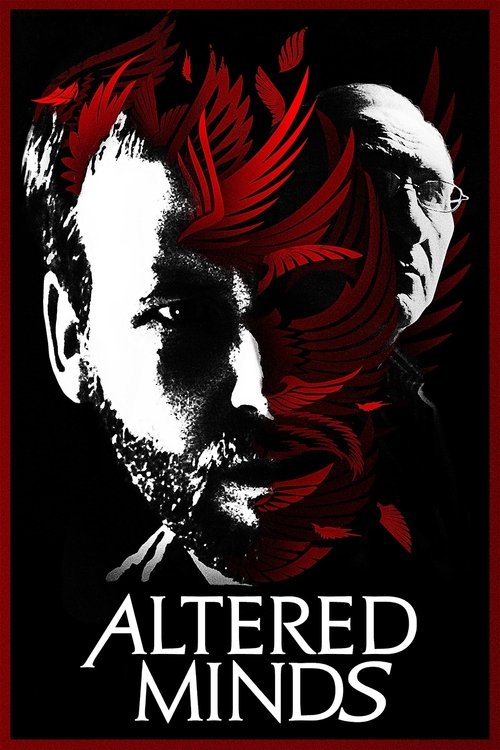












Popular
What is the significance of the family dinner scene in Altered Minds?
How does the character of Dr. Richard Kessler influence the story?
What role does the character of Sarah play in the unfolding of the plot?
What is the impact of the family's dark secret on the characters?
How does the film explore the theme of memory through the character of Michael?
Should I watch it?
Ask Your Own Question

What is the plot?
Sorry, we aren't able to watch and write up a full detailed plot yet. Check back in a few days.







What is the ending?
In the ending of "Altered Minds," the truth about the family's dark past is revealed, leading to a confrontation that changes everything. The main character, David, learns the shocking truth about his father's experiments and the impact they had on his family. The film concludes with a sense of resolution but leaves lingering questions about the nature of memory and trauma.
As the final act unfolds, David, having pieced together the fragmented memories and the truth about his father's psychological experiments, confronts his father, Dr. Richard. The tension in the room is palpable as David demands answers, his voice trembling with a mix of anger and desperation. Dr. Richard, portrayed as a man who has justified his actions in the name of science, tries to defend his experiments, claiming they were for the greater good. However, David's emotional turmoil is evident as he grapples with the betrayal of his father's actions and the pain they have caused his family.
In a pivotal scene, David's sister, who has been struggling with her own demons, enters the room. She is visibly shaken, caught between her loyalty to her father and her love for her brother. The confrontation escalates as David reveals the extent of their father's manipulation, exposing the scars left on their family. The emotional weight of the moment is heavy, as both siblings confront their shared trauma and the impact of their father's choices.
As the confrontation reaches its climax, Dr. Richard's facade begins to crumble. He is forced to confront the reality of his actions and the damage they have inflicted on his children. The scene is charged with raw emotion, as David and his sister express their pain and anger, culminating in a cathartic release. The family dynamic shifts as they begin to understand the depth of their shared suffering, and for the first time, they find a semblance of unity in their grief.
In the aftermath, David and his sister decide to break free from their father's influence. They choose to forge their own paths, determined to heal from the trauma of their past. The film closes with a sense of hope, as the siblings walk away from their father's house, symbolizing their decision to reclaim their lives and memories. Dr. Richard, left alone, is left to reflect on the consequences of his actions, a man isolated by his own choices.
The fate of each main character is sealed in this final act. David and his sister step into a future where they can begin to heal, while Dr. Richard is left to confront the emptiness of his legacy, a stark reminder of the cost of his ambition. The film ends on a note of ambiguity, leaving the audience to ponder the complexities of memory, trauma, and the bonds of family.
Is there a post-credit scene?
In the movie "Altered Minds," there is no post-credit scene. The film concludes its narrative without any additional scenes or content after the credits roll. The story wraps up with the resolution of the central conflict, focusing on the psychological and emotional turmoil experienced by the characters throughout the film. The absence of a post-credit scene allows the audience to reflect on the themes of memory, trauma, and the complexities of familial relationships that are explored in the movie.
What is the significance of the family dinner scene in Altered Minds?
The family dinner scene serves as a pivotal moment in 'Altered Minds,' where tensions among the family members come to a head. The atmosphere is thick with unspoken grievances and emotional undercurrents, as each character grapples with their own secrets and the weight of their shared past. The dinner table, laden with food, becomes a battleground for accusations and revelations, highlighting the fractured relationships and the psychological scars that haunt them.
How does the character of Dr. Richard Kessler influence the story?
Dr. Richard Kessler, portrayed as a complex and troubled figure, plays a crucial role in unraveling the family's dark history. His motivations stem from a desire to understand the psychological trauma that has affected the family, particularly his own children. As he delves deeper into their past, his own emotional struggles surface, revealing his guilt and the burden of his professional choices. His interactions with the family members are charged with tension, as he attempts to guide them toward healing while grappling with his own demons.
What role does the character of Sarah play in the unfolding of the plot?
Sarah, the daughter, is a key figure in 'Altered Minds,' representing the younger generation's struggle to break free from the shadows of their family's past. Her character is marked by a sense of rebellion and a quest for identity, as she seeks to understand the truth behind her family's secrets. Throughout the film, her emotional journey is fraught with conflict, as she oscillates between loyalty to her family and the desire for independence. Her interactions with her father and brother reveal her internal conflict and the impact of their shared trauma.
What is the impact of the family's dark secret on the characters?
The family's dark secret serves as a catalyst for the characters' emotional turmoil and interpersonal conflicts. Each member is affected differently; the father, burdened by guilt, struggles to maintain control, while the siblings grapple with feelings of betrayal and confusion. The revelation of the secret forces them to confront their past, leading to moments of catharsis and confrontation. The weight of the secret manifests in their relationships, creating a palpable tension that drives the narrative forward.
How does the film explore the theme of memory through the character of Michael?
Michael, the son, embodies the theme of memory in 'Altered Minds' as he navigates the complexities of his family's history. His character is haunted by fragmented memories that surface throughout the film, often leading to disorientation and emotional distress. As he attempts to piece together the truth, his journey reflects the struggle to reconcile painful memories with the desire for closure. The film uses visual motifs, such as flashbacks and dream sequences, to illustrate Michael's internal battle, emphasizing the impact of memory on his identity and relationships.
Is this family friendly?
"Altered Minds," produced in 2014, is not considered family-friendly due to its mature themes and intense subject matter. Here are some potentially objectionable or upsetting aspects that may affect children or sensitive viewers:
-
Psychological Tension: The film delves into complex psychological issues, including themes of mental illness and trauma, which may be distressing for some viewers.
-
Family Conflict: There are intense emotional confrontations among family members that can evoke feelings of discomfort and anxiety.
-
Violence and Threats: The film contains scenes that involve threats of violence and aggressive behavior, which may be unsettling.
-
Dark Themes: The exploration of dark family secrets and the impact of past traumas can be heavy and emotionally charged.
-
Emotional Distress: Characters experience significant emotional turmoil, including grief and betrayal, which may resonate negatively with sensitive viewers.
Overall, the film's exploration of deep psychological issues and family dynamics may not be suitable for younger audiences or those who are easily disturbed.







