
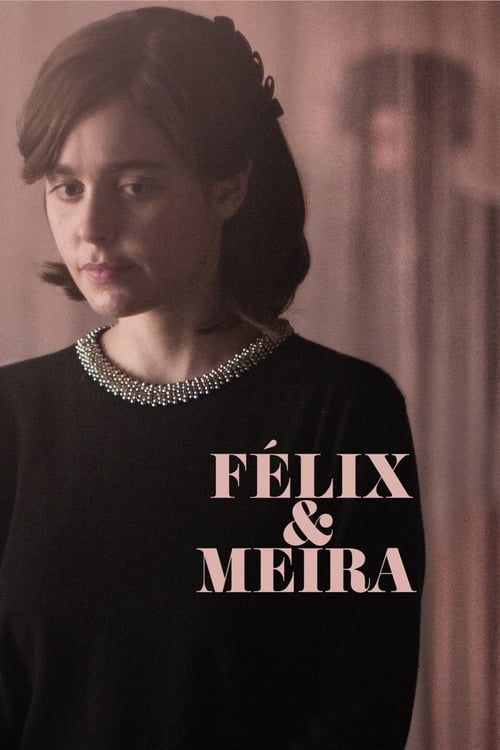







Popular
What is the significance of Meira's relationship with her husband, and how does it affect her character development?
How does Felix's character influence Meira's journey of self-discovery?
What role does the setting of Montreal play in the story of Felix and Meira?
How does Meira's relationship with her father impact her choices throughout the film?
What are the key moments that lead to Meira's decision to leave her community?
Should I watch it?
Ask Your Own Question

What is the plot?
Sorry, we aren't able to watch and write up a full detailed plot yet. Check back in a few days.









What is the ending?
In the ending of "Felix and Meira," Felix and Meira share a poignant moment that signifies their emotional connection, but ultimately, they part ways. Meira returns to her life within her Hasidic community, while Felix is left to reflect on their brief but impactful relationship.
As the film approaches its conclusion, we find Felix grappling with the reality of his feelings for Meira. After their intimate moments together, he realizes that their worlds are vastly different. In a quiet scene, Felix watches Meira as she prepares to return to her family and community, a place where she feels a sense of duty and belonging. The weight of their connection hangs in the air, filled with unspoken words and emotions.
Meira, torn between her desires and her obligations, ultimately chooses to return to her life, despite the deep bond she has formed with Felix. The film closes with Felix standing alone, contemplating the impact Meira has had on him, while she walks away, back into the life she knows, leaving behind the possibility of a different future.
Now, let's delve into the ending in a more detailed, chronological narrative.
As the film nears its conclusion, we find Felix and Meira in a small, intimate space, a stark contrast to the bustling life of the Hasidic community that surrounds them. The atmosphere is thick with unspoken emotions, and the tension between their worlds is palpable. Felix, a man in search of meaning and connection, has found a kindred spirit in Meira, a woman who feels trapped by the expectations of her community.
In a tender moment, they share a quiet conversation, their eyes reflecting a mix of longing and sadness. Felix expresses his feelings, revealing how deeply he has been affected by their time together. Meira, however, is conflicted. She has tasted freedom and the possibility of a different life, yet the pull of her family and faith weighs heavily on her heart. The camera captures the subtle shifts in her expression, showcasing her internal struggle.
As the scene unfolds, Meira receives a call from her family, reminding her of her responsibilities. The urgency in her voice contrasts with the calmness of the moment they share. Felix watches her, his heart heavy with the knowledge that their time together is coming to an end. He understands that while their connection is profound, the realities of their lives cannot be ignored.
In a poignant farewell, Meira prepares to leave. The scene is filled with a sense of inevitability, as both characters grapple with the choices they must make. Felix reaches out, wanting to hold onto the moment, but Meira gently pulls away, her eyes filled with tears. She steps outside, back into the world of her community, where the sounds of children playing and the sight of her family waiting for her create a stark contrast to the quiet intimacy they shared.
Felix stands alone, watching her walk away, the weight of their connection lingering in the air. The camera lingers on his face, capturing the mix of sadness and acceptance as he realizes that their paths are diverging. He is left to reflect on the impact Meira has had on his life, a fleeting yet transformative experience that has awakened something within him.
As the film concludes, we see Meira rejoining her family, her expression a blend of resolve and sorrow. She returns to the life she knows, embracing her role within her community, yet forever changed by her encounter with Felix. The final moments of the film leave the audience with a sense of bittersweet longing, as both characters are left to navigate their separate lives, forever marked by the brief connection they shared.
Is there a post-credit scene?
The movie "Felix and Meira," produced in 2015, does not have a post-credit scene. The film concludes its narrative without any additional scenes after the credits roll. The story wraps up with a poignant sense of resolution, focusing on the emotional journeys of the main characters, Felix and Meira, as they navigate their complex relationship and personal struggles. The absence of a post-credit scene allows the audience to reflect on the themes of love, identity, and the choices that define us.
What is the significance of Meira's relationship with her husband, and how does it affect her character development?
Meira's relationship with her husband, a strict Hasidic Jew, is central to her character development. Initially, she appears to be conforming to the expectations of her community, but her internal struggle becomes evident as she feels stifled by the rigid lifestyle. Her husband, while caring, embodies the very traditions that confine her. This dynamic creates a tension within Meira, leading her to seek connection and freedom outside her marriage, particularly through her interactions with Felix.
How does Felix's character influence Meira's journey of self-discovery?
Felix, a secular man dealing with his own personal loss, becomes a catalyst for Meira's self-discovery. His open-mindedness and artistic lifestyle contrast sharply with her constrained existence. As they form a bond, Felix encourages Meira to explore her identity beyond the confines of her community. This relationship allows her to experience emotions and desires that she has suppressed, ultimately pushing her towards a path of self-acceptance and independence.
What role does the setting of Montreal play in the story of Felix and Meira?
Montreal serves as a vibrant backdrop that contrasts with Meira's insular Hasidic community. The city's diverse culture and urban landscape symbolize the freedom and possibilities that Meira yearns for. Scenes set in cafes, art galleries, and parks highlight her exploration of life outside her traditional upbringing. The juxtaposition of her cloistered world and the bustling city emphasizes her internal conflict and desire for liberation.
How does Meira's relationship with her father impact her choices throughout the film?
Meira's relationship with her father is complex and deeply influential. He represents the traditional values and expectations of their community, which Meira feels increasingly alienated from. His disapproval of her desires for independence and self-expression creates a sense of guilt and obligation within her. This tension drives her to seek solace in her connection with Felix, as she grapples with the desire to honor her family while pursuing her own happiness.
What are the key moments that lead to Meira's decision to leave her community?
Key moments leading to Meira's decision to leave her community include her growing discontent with her marriage, her secret meetings with Felix, and her experiences of joy and freedom in the secular world. A pivotal scene occurs when she attends a concert with Felix, where she feels a sense of belonging and exhilaration that she has never experienced before. This awakening, coupled with her father's expectations and her husband's increasing control, culminates in her realization that she must choose her own path, ultimately leading to her decision to leave.
Is this family friendly?
"Felix and Meira," produced in 2015, explores themes of love, identity, and cultural conflict, which may not be suitable for all children or sensitive viewers. Here are some potentially objectionable or upsetting aspects:
-
Religious Tension: The film delves into the complexities of a Hasidic Jewish community, which may include scenes depicting strict religious practices and the struggles of individuals within that framework.
-
Emotional Struggles: Characters experience deep emotional turmoil, including feelings of isolation, longing, and conflict between personal desires and cultural expectations. This may be intense for younger viewers.
-
Romantic Relationships: The film features a romantic relationship that develops between two characters from vastly different backgrounds, which may include scenes of intimacy and emotional vulnerability.
-
Family Conflict: There are scenes that depict familial disagreements and the impact of personal choices on family dynamics, which could be distressing for some viewers.
-
Loss and Grief: The film touches on themes of loss, including the emotional weight of past relationships and the impact of death, which may be heavy for sensitive audiences.
These elements contribute to the film's exploration of identity and personal freedom, but they may not be suitable for all children or those who are particularly sensitive to such themes.







