








Popular
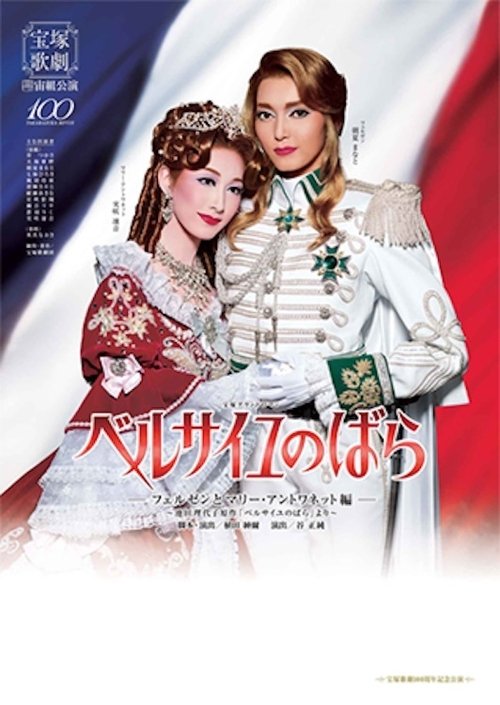
What is the relationship between Fersen and Marie Antoinette in the film?
How does Marie Antoinette's character evolve throughout the film?
What role does the French Revolution play in the story?
How does the film portray the character of Count Axel von Fersen?
What are some key moments that define the relationship between Fersen and Marie Antoinette?
Should I watch it?
Ask Your Own Question

What is the plot?
Sorry, we aren't able to watch and write up a full detailed plot yet. Check back in a few days.
More Movies Like This
Browse All Movies →








What is the ending?
In the ending of "The Rose of Versailles -Fersen and Marie Antoinette-," Marie Antoinette faces the consequences of the French Revolution, leading to her arrest and eventual execution. Fersen, deeply in love with her, struggles with his feelings of helplessness and despair as he witnesses her downfall. The film concludes with a poignant farewell between the two, encapsulating their tragic love story against the backdrop of a nation in turmoil.
As the final act unfolds, the atmosphere in Versailles grows increasingly tense. The once opulent palace, filled with laughter and grandeur, now echoes with whispers of dissent and revolution. The camera pans through the lavish halls, now shadowed by the looming threat of the people's anger. Marie Antoinette, portrayed with a mix of regal poise and underlying vulnerability, is seen in her private chambers, her face a mask of worry as she contemplates the fate of her family and her reign.
Scene by scene, the narrative deepens. In one poignant moment, Marie Antoinette receives news of the storming of the Bastille. Her initial reaction is one of disbelief, her heart racing as she clings to the hope that the unrest will pass. Yet, as the days turn into weeks, the reality of her situation becomes undeniable. The once-celebrated queen is now a symbol of excess and discontent, her lavish lifestyle scrutinized by the very people she once sought to charm.
Meanwhile, Fersen, who has been a steadfast presence in her life, grapples with his own turmoil. He is depicted in a series of scenes where he moves through the streets of Paris, witnessing the growing unrest. His heart aches for Marie Antoinette, and he is torn between his duty to his country and his love for her. In a particularly emotional scene, he stands before a crowd, feeling the weight of their anger and desperation, yet longing to protect the woman he loves.
As the revolution escalates, Marie Antoinette is ultimately arrested. The film captures her descent from queen to prisoner with haunting visuals. The once-bright colors of her gowns fade to somber tones as she is led through the dark corridors of the prison. Her face, once radiant, now reflects fear and resignation. In her final moments, she is visited by Fersen, who risks everything to see her one last time. Their reunion is filled with unspoken words, a bittersweet acknowledgment of their love amidst the chaos surrounding them.
In the climactic scene, Marie Antoinette is brought to the guillotine. The crowd is a cacophony of shouts and jeers, a stark contrast to the quiet dignity she tries to maintain. Fersen watches from a distance, his heart breaking as he realizes he cannot save her. The moment is heavy with emotion, the camera lingering on Marie Antoinette's face as she faces her fate with a mixture of defiance and acceptance.
As the blade falls, the film closes on Fersen, who is left to grapple with the loss of his beloved. The final shot captures him standing alone, a silhouette against the backdrop of a changing France, embodying the tragic consequences of love and loyalty in a time of upheaval. The screen fades to black, leaving the audience with a profound sense of sorrow for the characters and the world they inhabit.
Is there a post-credit scene?
In the movie "The Rose of Versailles - Fersen and Marie Antoinette," there is no post-credit scene. The film concludes with a poignant and emotional ending that encapsulates the tragic fate of its characters, particularly focusing on the deep bond between Fersen and Marie Antoinette amidst the turmoil of the French Revolution. The final moments leave the audience reflecting on the themes of love, sacrifice, and the inevitable passage of time, without any additional scenes or content after the credits.
What is the relationship between Fersen and Marie Antoinette in the film?
In 'The Rose of Versailles -Fersen and Marie Antoinette-', the relationship between Fersen and Marie Antoinette is central to the narrative. Fersen, a Swedish nobleman, is deeply infatuated with Marie Antoinette, and their bond is portrayed as a passionate yet complicated love affair. Throughout the film, Fersen's admiration for Marie is evident in his protective nature and his willingness to risk his own safety for her. Marie, on the other hand, is torn between her duties as queen and her feelings for Fersen, leading to moments of intense emotional conflict.
How does Marie Antoinette's character evolve throughout the film?
Marie Antoinette's character evolves significantly throughout 'The Rose of Versailles -Fersen and Marie Antoinette-'. Initially, she is depicted as a carefree and extravagant queen, indulging in the luxuries of court life. However, as the political climate in France becomes increasingly volatile, she begins to experience the weight of her responsibilities. The film captures her transformation from a naive young woman to a more aware and resilient figure, grappling with the consequences of her actions and the impending revolution.
What role does the French Revolution play in the story?
The French Revolution plays a critical role in 'The Rose of Versailles -Fersen and Marie Antoinette-'. The film intricately weaves the personal struggles of its characters with the larger historical context of the revolution. As the unrest grows, the opulence of the royal court starkly contrasts with the suffering of the common people. This tension escalates, affecting Marie's decisions and her relationship with Fersen, ultimately leading to a sense of urgency and despair as they navigate the chaos surrounding them.
How does the film portray the character of Count Axel von Fersen?
Count Axel von Fersen is portrayed as a noble and devoted character in 'The Rose of Versailles -Fersen and Marie Antoinette-'. His unwavering loyalty to Marie Antoinette is highlighted through his actions, as he often places her well-being above his own interests. The film showcases his internal struggles, balancing his love for Marie with the political realities of the time. Fersen's character is marked by a sense of honor and sacrifice, making him a tragic figure as he faces the consequences of his devotion amidst the turmoil of the revolution.
What are some key moments that define the relationship between Fersen and Marie Antoinette?
Key moments that define the relationship between Fersen and Marie Antoinette in the film include their first meeting at a royal ball, where an instant connection sparks between them. Another pivotal scene occurs when Fersen risks his life to help Marie escape from a dangerous situation, showcasing his deep commitment. Additionally, their secret meetings in the gardens of Versailles are filled with both romantic tension and poignant discussions about their futures, highlighting the emotional stakes of their relationship as the revolution looms.
Is this family friendly?
The Rose of Versailles - Fersen and Marie Antoinette, produced in 2014, contains several elements that may be considered objectionable or upsetting for children or sensitive viewers. Here are some aspects to be aware of:
-
Political Intrigue and Betrayal: The film delves into the complexities of court politics, which may include themes of betrayal and manipulation that could be difficult for younger audiences to fully understand.
-
Emotional Turmoil: Characters experience intense emotional struggles, including feelings of isolation, despair, and longing, which may resonate deeply and evoke strong emotions.
-
Romantic Tension: The relationship between Fersen and Marie Antoinette is fraught with romantic tension, including unrequited love and societal pressures, which may be mature themes for younger viewers.
-
Historical Violence: The backdrop of the French Revolution includes references to violence and upheaval, which may be unsettling, especially in scenes depicting the consequences of political unrest.
-
Depictions of Class Struggle: The film portrays the stark contrast between the opulence of the royal court and the suffering of the common people, which may be distressing for some viewers.
-
Tragic Outcomes: The narrative foreshadows tragic events related to the fate of the characters, which could be emotionally heavy and potentially upsetting.
These elements contribute to a narrative that, while rich in historical context and character development, may not be suitable for all audiences, particularly younger children or those sensitive to emotional and historical themes.









