


















Popular
What is the significance of the character William's background in the story?
How does the character of Fiona influence William's actions throughout the film?
What role does the character of the father play in William's deception?
How does the film portray the interactions between William and the wealthy elite?
What is the impact of the character of the wedding planner on the plot?
Should I watch it?
Ask Your Own Question

What is the plot?
Sorry, we aren't able to watch and write up a full detailed plot yet. Check back in a few days.
More Movies Like This
Browse All Movies →







What is the ending?
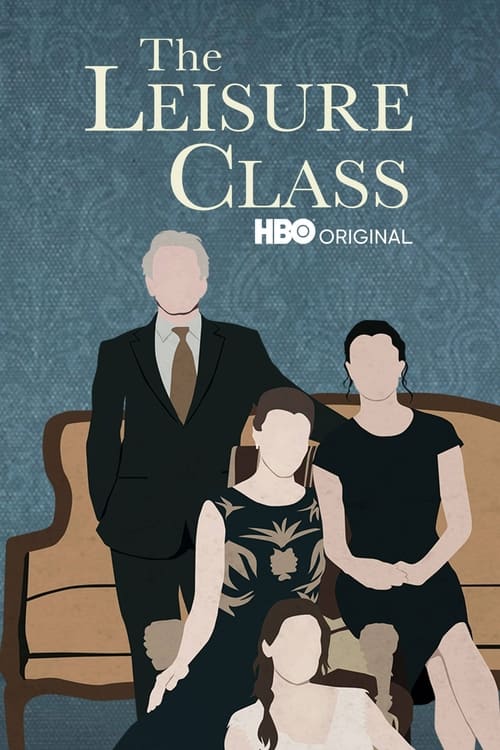
In the ending of "The Leisure Class," the main character, William, is exposed as a con artist during a lavish wedding. His deception unravels, leading to chaos and confrontation. Ultimately, he flees, leaving behind the life he tried to infiltrate. The film concludes with a sense of disillusionment and the stark reality of the characters' true natures.
As the film approaches its climax, the scene shifts to the opulent wedding of the wealthy couple, where the atmosphere is filled with laughter, clinking glasses, and the soft strains of classical music. William, who has been masquerading as a member of the elite, stands at the center of the festivities, his heart racing with a mix of excitement and anxiety. He has successfully charmed the guests, including the bride's family, but the weight of his deception looms heavily over him.
In a pivotal moment, William's past catches up with him when a former associate unexpectedly appears at the wedding. This individual recognizes William and begins to expose his true identity to the guests. The atmosphere shifts from celebratory to tense as whispers ripple through the crowd. William's facade begins to crumble, and he feels the walls closing in around him. His internal struggle is palpable; he grapples with the fear of losing everything he has worked for, even if it was built on lies.
As the confrontation escalates, William's fiancée, who has been blissfully unaware of his deceit, starts to piece together the truth. Her expression shifts from joy to confusion, and then to betrayal as she realizes that the man she loves is not who he claimed to be. The emotional turmoil is evident on her face, reflecting the pain of being deceived and the shattering of her dreams.
In a desperate bid to escape the fallout, William makes a break for it, darting through the crowd as guests gasp and point. He navigates through the lavish decorations and the stunned faces of the elite, feeling a mix of shame and adrenaline. The chaos of the wedding mirrors his internal chaos, and he knows he must leave this world behind.
As he exits the venue, the camera captures his fleeting silhouette against the backdrop of the extravagant celebration, a stark contrast to the reality of his life. He disappears into the night, leaving behind the life of luxury he had so desperately tried to infiltrate. The final moments of the film linger on the aftermath of his departure, showcasing the stunned guests and the broken trust that now permeates the air.
The fate of the main characters is sealed in this moment of revelation. William, the con artist, is left to confront the consequences of his actions alone, having lost the love and trust of his fiancée. She is left heartbroken, grappling with the betrayal and the loss of her dreams. The wealthy guests, once enamored by the charm of William, are left to reflect on the fragility of appearances and the hidden truths that lie beneath the surface of their privileged lives. The film closes on a note of disillusionment, emphasizing the stark divide between the facade of wealth and the reality of human connection.
Is there a post-credit scene?
In "The Leisure Class," there is no post-credit scene. The film concludes without any additional scenes or content after the credits roll. The story wraps up with the main narrative, focusing on the themes of deception, class, and the complexities of relationships within the wealthy elite. The absence of a post-credit scene allows the audience to reflect on the events that transpired throughout the film without any further distractions or revelations.
What is the significance of the character William's background in the story?
William, the protagonist, comes from a working-class background and is determined to infiltrate the upper class. His motivations stem from a desire for acceptance and a better life, which drives him to adopt the persona of a wealthy man. This background creates a stark contrast with the affluent characters he interacts with, highlighting themes of class disparity and the lengths one will go to for social mobility.
How does the character of Fiona influence William's actions throughout the film?
Fiona, a member of the upper class, becomes a pivotal figure in William's life. Her charm and sophistication draw him in, but her naivety also complicates his plans. As William develops feelings for her, he grapples with the authenticity of his deception and the potential consequences of his lies, leading to internal conflict as he balances his love for Fiona with his ulterior motives.
What role does the character of the father play in William's deception?
William's father serves as a critical element in the plot, as he is unaware of William's true identity and the deception he is orchestrating. The father's expectations and traditional values create pressure on William, forcing him to maintain his facade while also reflecting on his own identity. This relationship adds depth to William's character, showcasing his struggle between familial loyalty and personal ambition.
How does the film portray the interactions between William and the wealthy elite?
The interactions between William and the wealthy elite are marked by tension and humor, as William navigates social situations with a mix of charm and anxiety. His attempts to fit in often lead to awkward moments, revealing the superficiality of the upper class. These encounters serve to highlight the absurdities of wealth and privilege, as William's outsider perspective allows the audience to see the flaws in the characters he aspires to emulate.
What is the impact of the character of the wedding planner on the plot?
The wedding planner, a flamboyant and over-the-top character, adds a layer of chaos to the story. His insistence on perfection and his interactions with William create comedic tension, as William struggles to maintain his facade amidst the planner's extravagant demands. The wedding planner's presence amplifies the stakes for William, as he must navigate the complexities of the wedding while keeping his true identity hidden, ultimately leading to pivotal moments in the plot.
Is this family friendly?
"The Leisure Class," produced in 2015, is not considered family-friendly due to several potentially objectionable elements. Here are some aspects that might be upsetting for children or sensitive viewers:
-
Strong Language: The film contains frequent use of profanity, which may not be suitable for younger audiences.
-
Sexual Content: There are scenes that involve sexual situations and innuendos, which could be inappropriate for children.
-
Themes of Deception and Manipulation: The plot revolves around themes of deceit, class disparity, and manipulation, which may be complex and unsettling for younger viewers.
-
Violence: There are moments of physical altercations and aggressive behavior that could be distressing.
-
Emotional Turmoil: Characters experience significant emotional struggles, including anxiety and tension, which may be intense for sensitive viewers.
These elements contribute to the film's overall tone and may not be suitable for a younger audience or those who are sensitive to such themes.







