













Popular
What role does the character of the village elder play in the story?
What motivates the main character to return to the village?
How does the village react to Anna's return?
What is the significance of the old well in the village?
How does Anna's relationship with her childhood friend evolve throughout the film?
Should I watch it?
Ask Your Own Question

What is the plot?
Sorry, we aren't able to watch and write up a full detailed plot yet. Check back in a few days.
More Movies Like This
Browse All Movies →




What is the ending?
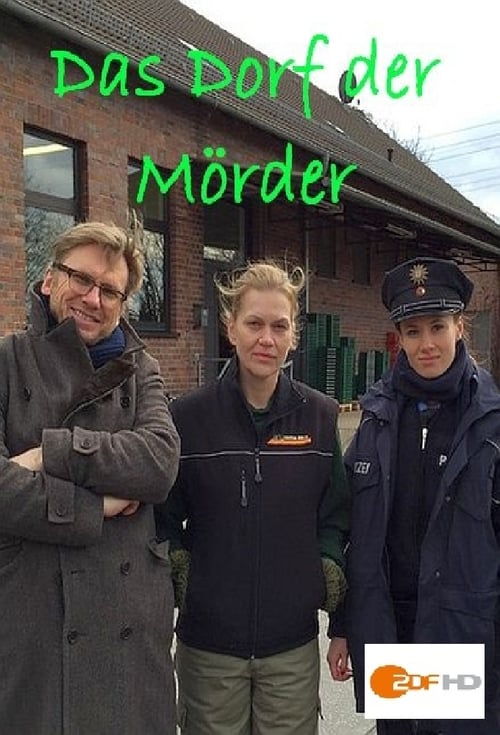
In the ending of "Das Dorf der Mörder," the protagonist, a journalist named Anna, uncovers the dark secrets of a secluded village where a series of murders have taken place. As she confronts the villagers, she realizes that they are all complicit in the crimes. The film culminates in a tense standoff, leading to a tragic conclusion where Anna is ultimately killed, and the village's sinister legacy continues unchallenged.
As the film approaches its climax, Anna, driven by her relentless pursuit of the truth, finds herself in the heart of the village. The atmosphere is thick with tension; the villagers, who initially appeared welcoming, now reveal their true nature. They gather in the town square, their faces a mix of fear and defiance, as Anna presents her findings about the murders that have plagued the area.
Scene by scene, the tension escalates. Anna stands before the villagers, her voice steady but filled with urgency. She recounts the stories of the victims, their lives cut short by the very people who now surround her. The villagers exchange glances, their expressions shifting from anger to fear as they realize that their dark secret is on the verge of exposure.
In a pivotal moment, Anna confronts the village leader, a man whose calm demeanor belies the violence he has orchestrated. He attempts to dismiss her claims, but Anna's determination only intensifies. She presses on, revealing the connections between the villagers and the murders, her heart racing as she senses the danger closing in around her.
As the confrontation escalates, the villagers begin to close ranks, their unity forged in a shared guilt that binds them together. Anna's fear becomes palpable; she knows she is in grave danger. The atmosphere shifts from one of confrontation to one of impending violence. The villagers, feeling cornered, turn hostile, and Anna realizes that her life is in jeopardy.
In a desperate attempt to escape, Anna runs through the narrow, winding streets of the village, her breath quickening as she hears the shouts of the villagers behind her. The camera follows her frantic movements, capturing the raw emotion of her fear and determination. She stumbles into the woods surrounding the village, hoping to find refuge, but the villagers pursue her relentlessly.
The climax reaches its peak when Anna is finally cornered. In a heart-wrenching moment, she pleads for her life, her voice trembling with desperation. But the villagers, consumed by their collective guilt and fear of exposure, make a fateful decision. In a brutal act of violence, they silence her, ensuring that their dark secrets remain buried.
The film concludes with a haunting silence enveloping the village. The camera pans over the now-empty streets, the weight of the tragedy hanging heavy in the air. The villagers return to their homes, their faces a mix of relief and sorrow, knowing that they have preserved their way of life at a terrible cost. The final shot lingers on the village, a place where darkness thrives, leaving the audience with a chilling sense of unresolved conflict and the haunting legacy of their actions.
In the end, Anna's fate is sealed; she becomes another victim of the village's sinister history. The villagers, while momentarily relieved, are left to grapple with the moral implications of their actions, trapped in a cycle of violence and complicity that continues to define their existence.
Is there a post-credit scene?
In the movie "Das Dorf der Mörder," there is no post-credit scene. The film concludes its narrative without any additional scenes or content after the credits roll. The story wraps up with a sense of finality, leaving the audience to reflect on the events that transpired within the village and the fates of the characters involved. The absence of a post-credit scene emphasizes the film's themes and the resolution of its central conflict, allowing viewers to fully absorb the emotional weight of the story.
What role does the character of the village elder play in the story?
The village elder, Herr Müller, serves as a gatekeeper of the village's dark history. He is initially cordial to Anna but quickly reveals a more sinister side as he tries to dissuade her from digging deeper into her father's past. His motivations are rooted in protecting the village's secrets, which he believes are essential for maintaining their way of life.
What motivates the main character to return to the village?
The main character, a young woman named Anna, returns to her childhood village after receiving news of her estranged father's death. She is driven by a mix of grief, unresolved feelings about her past, and a desire to uncover the truth behind the mysterious circumstances surrounding her father's demise.
How does the village react to Anna's return?
Upon Anna's return, the villagers exhibit a mix of suspicion and hostility. Many harbor dark secrets and are wary of her probing questions about her father's death. This tension creates an atmosphere of unease, as Anna feels increasingly isolated and threatened by the villagers' cold demeanor.
What is the significance of the old well in the village?
The old well is a central symbol in the film, representing both the source of life and the hidden darkness within the village. As Anna investigates, she discovers that the well is linked to a series of tragic events in the village's history, including her father's death. It becomes a focal point for her quest for truth and serves as a metaphor for the depths of the villagers' secrets.
How does Anna's relationship with her childhood friend evolve throughout the film?
Anna's relationship with her childhood friend, Lukas, begins with a sense of nostalgia and warmth as they reconnect. However, as Anna uncovers the village's dark secrets, Lukas's loyalty is tested. He struggles between his past friendship with Anna and his ties to the village, leading to a complex emotional conflict that ultimately impacts their bond.
Is this family friendly?
"Das Dorf der Mörder" is not considered family-friendly due to its intense themes and graphic content. The film contains several potentially objectionable or upsetting aspects, including:
- Violence: The movie features scenes of murder and brutality, which may be disturbing for younger viewers or sensitive individuals.
- Blood and Gore: There are graphic depictions of bloodshed and injuries that contribute to the horror atmosphere.
- Psychological Tension: The film explores themes of fear, paranoia, and the psychological impact of living in a violent environment, which may be unsettling.
- Dark Themes: The narrative delves into the darker aspects of human nature and morality, which could be challenging for children to comprehend.
- Emotional Distress: Characters experience significant trauma and fear, which may evoke strong emotional reactions.
Overall, the film's content is geared towards an adult audience and may not be suitable for children or those who are sensitive to such themes.









