



Popular
What motivates the character of John Clare throughout the film?
How does the film depict John Clare's relationship with his family?
What role does nature play in John Clare's journey in the film?
How does the film portray John Clare's interactions with other characters he meets on his journey?
What significance does the character of the 'madman' have in relation to John Clare's story?
Should I watch it?
Ask Your Own Question

What is the plot?
Sorry, we aren't able to watch and write up a full detailed plot yet. Check back in a few days.
More Movies Like This
Browse All Movies →




What is the ending?
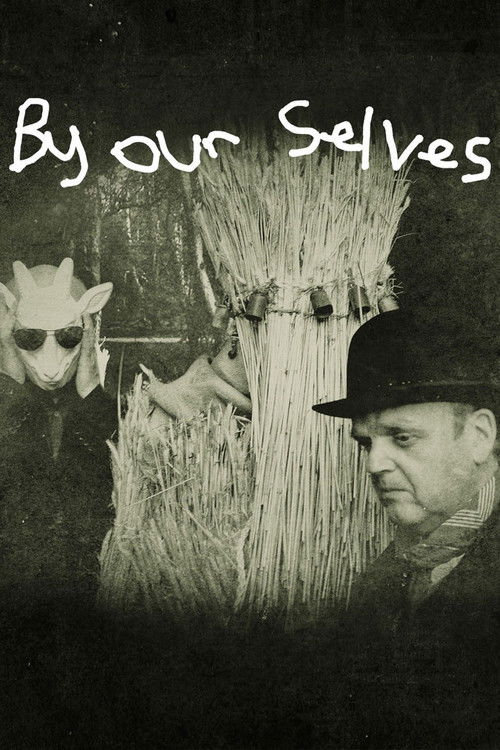
In the ending of "By Our Selves," the film culminates in a poignant and introspective moment as the characters confront their pasts and the choices they have made. The protagonist, John Clare, finds himself in a state of reflection, grappling with his identity and the impact of his experiences. The film closes with a sense of ambiguity, leaving the audience to ponder the significance of Clare's journey and the nature of existence.
As the final scenes unfold, John Clare, portrayed by Andrew Hawley, is seen wandering through the English countryside, a landscape that has been both a source of inspiration and torment for him. The camera captures the lush greenery and the serene beauty of the surroundings, contrasting with Clare's internal turmoil. He is haunted by memories of his past, including his struggles with mental health and his quest for artistic expression.
In a pivotal moment, Clare encounters a group of people who represent different facets of his life and the choices he has made. They engage in conversations that reflect his inner conflicts, touching on themes of creativity, madness, and the search for meaning. Each character he meets serves as a mirror, reflecting Clare's fears and desires.
As the sun begins to set, casting a golden hue over the landscape, Clare reaches a moment of clarity. He stands alone, contemplating the vastness of the world around him. The weight of his experiences seems to lift, if only momentarily, as he embraces the beauty of the present. The film does not provide a clear resolution; instead, it leaves Clare's fate open-ended, suggesting that his journey of self-discovery is ongoing.
The final shot lingers on Clare's face, capturing a mix of hope and uncertainty. The screen fades to black, and the audience is left to reflect on the complexities of Clare's character and the broader themes of the film, such as the struggle for identity and the reconciliation of one's past.
In summary, the ending of "By Our Selves" encapsulates the essence of John Clare's journey, highlighting his internal battles and the search for understanding in a world that often feels chaotic and overwhelming.
Is there a post-credit scene?
The movie "By Our Selves," produced in 2015, does not contain a post-credit scene. The film concludes its narrative without any additional scenes or content after the credits roll. The focus remains on the story and themes presented throughout the film, leaving the audience with the emotional and philosophical reflections that have been developed during the main storyline.
What motivates the character of John Clare throughout the film?
John Clare, portrayed as a deeply introspective and troubled poet, is driven by his desire to reconnect with nature and his own sense of identity. His journey reflects his internal struggle with mental illness and the societal pressures of his time. As he wanders through the English countryside, Clare seeks solace in the natural world, which serves as both a refuge and a source of inspiration for his poetry.
How does the film depict John Clare's relationship with his family?
The film illustrates a strained relationship between John Clare and his family, particularly with his wife and children. Clare's mental health issues create a rift, as his family struggles to understand his artistic pursuits and his detachment from reality. This tension is palpable in scenes where Clare's longing for connection clashes with his family's concern for his well-being, highlighting the emotional distance that his condition creates.
What role does nature play in John Clare's journey in the film?
Nature is a central character in 'By Our Selves,' symbolizing both Clare's inner turmoil and his quest for peace. The lush landscapes and serene settings contrast with Clare's chaotic mind, providing moments of clarity and inspiration. As he traverses the countryside, the beauty of the natural world evokes a range of emotions, from joy to despair, reflecting his fluctuating mental state and his deep connection to the environment.
How does the film portray John Clare's interactions with other characters he meets on his journey?
Throughout his journey, John Clare encounters various characters, each representing different facets of society and human experience. These interactions often reveal Clare's vulnerability and his struggle to communicate his thoughts and feelings. For instance, he meets fellow poets and common folk, who either inspire him or exacerbate his sense of isolation. These encounters serve to highlight Clare's internal conflict and his yearning for understanding and acceptance.
What significance does the character of the 'madman' have in relation to John Clare's story?
The 'madman' character serves as a mirror to John Clare's own struggles with mental illness. Their interactions are charged with tension and empathy, as the madman embodies the societal fears and stigmas surrounding mental health. This character challenges Clare's perceptions of sanity and creativity, prompting him to confront his own demons. The madman's presence emphasizes the thin line between genius and madness, a theme that resonates deeply throughout Clare's journey.
Is this family friendly?
"By Our Selves," produced in 2015, is a film that explores themes of isolation, identity, and the human connection to nature. While it is a unique narrative, it may not be considered family-friendly for younger audiences or sensitive viewers due to several potentially objectionable aspects:
-
Themes of Isolation: The film delves into the protagonist's deep sense of loneliness and existential crisis, which may be heavy and unsettling for children.
-
Mental Health Struggles: The main character grapples with feelings of despair and confusion, which could be distressing for sensitive viewers.
-
Intense Emotional Scenes: There are moments of emotional intensity that may evoke feelings of sadness or discomfort, particularly as the character confronts his inner turmoil.
-
Nature's Harshness: The film portrays the stark realities of nature, including scenes that may depict the struggle for survival, which could be alarming for younger viewers.
-
Existential Themes: The exploration of identity and purpose may be complex and difficult for children to understand, potentially leading to feelings of unease.
Overall, while the film is artistically rich and thought-provoking, its themes and emotional depth may not be suitable for all audiences, particularly children or those who are sensitive to such topics.







