






Popular
What events led to the creation of the album 'Skeleton Tree' featured in the film?
How does Nick Cave express his grief throughout the film?
What role do the other band members of The Bad Seeds play in the film?
How does the film visually represent Nick Cave's emotional state?
What specific moments in the film illustrate the impact of Arthur's death on Nick Cave's songwriting?
Should I watch it?
Ask Your Own Question

What is the plot?
Sorry, we aren't able to watch and write up a full detailed plot yet. Check back in a few days.
More Movies Like This
Browse All Movies →


What is the ending?
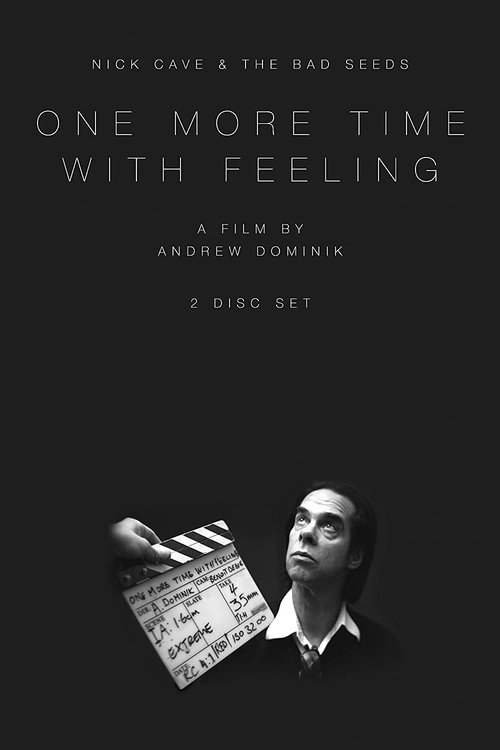
In the ending of "Nick Cave & The Bad Seeds: One More Time with Feeling," Nick Cave reflects on the loss of his son, Arthur, and the impact it has had on his life and music. The film concludes with a poignant performance of the song "Jesus Alone," where the emotional weight of grief and the search for meaning resonate deeply. The film closes with a sense of unresolved sorrow, highlighting the enduring pain of loss.
As the film approaches its conclusion, the atmosphere is heavy with emotion. The scenes shift between the studio where Nick Cave and the Bad Seeds are recording their album "Skeleton Tree" and intimate moments of reflection. The camera captures the somber expressions on the faces of the band members, particularly Nick, who is visibly affected by the recent tragedy of losing his son, Arthur.
In one scene, Nick sits alone, contemplating the profound impact of grief on his creative process. He speaks candidly about how the loss has altered his perception of life and art. The rawness of his emotions is palpable, and the audience can sense the weight of his sorrow as he grapples with the reality of his situation. His vulnerability is laid bare, revealing a man in mourning, struggling to find solace in his music.
As the recording sessions progress, the band members work through the songs, but the atmosphere is tinged with a sense of melancholy. Nick's interactions with his bandmates are marked by a shared understanding of the pain they are all experiencing. They are not just creating music; they are navigating the complexities of grief together. The camera captures moments of silence, where the weight of unspoken words hangs in the air, emphasizing the emotional burden they all carry.
The climax of the film arrives during the performance of "Jesus Alone." The stage is dimly lit, and Nick stands at the forefront, his presence commanding yet vulnerable. As he begins to sing, the haunting melody fills the space, and the lyrics resonate with themes of loss, searching, and the struggle to find meaning in the face of despair. The camera pans to the band, each member lost in their own thoughts, yet united in the shared experience of creating something beautiful out of their pain.
As the song progresses, Nick's voice grows stronger, infused with raw emotion. The audience can feel the catharsis in his performance, a release of the pent-up grief that has been building throughout the film. The visuals are striking, with close-ups of Nick's face revealing the depth of his sorrow and the flicker of hope that emerges through the music. The performance serves as a tribute to Arthur, a way for Nick to honor his son's memory while also confronting his own feelings of loss.
The film concludes with a lingering shot of Nick, his expression a mixture of sadness and resilience. The final notes of "Jesus Alone" echo in the air, leaving the audience with a sense of unresolved grief. The screen fades to black, and the credits roll, underscoring the film's exploration of the complexities of love, loss, and the healing power of music. Each character, particularly Nick, is left to navigate their own path through the aftermath of tragedy, highlighting the enduring impact of loss on their lives and art.
Is there a post-credit scene?
The film "Nick Cave & The Bad Seeds: One More Time with Feeling" does not contain a post-credit scene. The documentary focuses on the creation of the album "Skeleton Tree" and delves into the emotional turmoil surrounding the tragic death of Nick Cave's son, Arthur. The film is structured around interviews, performances, and a raw exploration of grief, with no additional scenes or content following the credits. The conclusion of the film leaves viewers with a poignant sense of reflection on loss and the creative process, encapsulating the themes presented throughout the documentary.
What events led to the creation of the album 'Skeleton Tree' featured in the film?
The film chronicles the emotional turmoil surrounding the creation of 'Skeleton Tree,' particularly focusing on the tragic death of Nick Cave's son, Arthur, who died in an accident in 2015. This event profoundly impacted Cave's songwriting and the overall tone of the album.
How does Nick Cave express his grief throughout the film?
Nick Cave's grief is expressed through his candid reflections and emotional performances. He shares personal anecdotes and memories of his son, revealing his vulnerability and the deep sense of loss he feels. The film captures his struggle to articulate this pain through music.
What role do the other band members of The Bad Seeds play in the film?
The other band members of The Bad Seeds are shown in various scenes, contributing to the recording process of 'Skeleton Tree.' Their interactions with Cave highlight a sense of camaraderie and support, as they navigate the emotional landscape of creating music in the wake of tragedy.
How does the film visually represent Nick Cave's emotional state?
The film employs stark black-and-white cinematography, close-up shots of Cave's face, and atmospheric imagery to visually convey his emotional state. The use of shadows and light enhances the somber tone, reflecting his introspection and sorrow.
What specific moments in the film illustrate the impact of Arthur's death on Nick Cave's songwriting?
Specific moments include Cave discussing the lyrics of songs from 'Skeleton Tree,' where he reveals how they are directly influenced by his grief. He reflects on the haunting nature of the songs, indicating that they serve as a means of processing his loss and connecting with his son.
Is this family friendly?
"Nick Cave & The Bad Seeds: One More Time with Feeling" is a documentary film that delves into the creative process of Nick Cave and his band following a personal tragedy. While it is a deeply artistic and emotional exploration, it may not be considered family-friendly for several reasons:
-
Themes of Grief and Loss: The film addresses the death of Nick Cave's son, which is a central theme throughout. The exploration of grief can be intense and may be upsetting for children or sensitive viewers.
-
Emotional Intensity: There are moments of raw emotion, including Nick Cave's reflections on his pain and sorrow, which may be difficult for younger audiences to process.
-
Visuals of Mourning: The film includes imagery that conveys a sense of mourning and melancholy, which might be unsettling for some viewers.
-
Language: There are instances of strong language used in the context of expressing deep emotions, which may not be suitable for all audiences.
-
Dark Themes: The overall tone of the film is somber and contemplative, dealing with heavy subjects that may not resonate well with children.
Overall, the film is more suited for mature audiences who can appreciate its artistic expression and the depth of its emotional content.





