












Popular
Should I watch it?
Ask Your Own Question

What is the plot?
Sorry, we aren't able to watch and write up a full detailed plot yet. Check back in a few days.






What is the ending?
In the ending of "The Windmill Massacre," the protagonist, Jennifer, confronts the truth about her past and the nature of the killer, who is revealed to be a manifestation of her own guilt. The film concludes with a tense showdown, leading to a tragic resolution where Jennifer's fate is sealed, and the cycle of violence continues.
As the climax unfolds, Jennifer finds herself in the windmill, the very place where the horror began. The atmosphere is thick with tension, the air heavy with the scent of damp earth and decay. Shadows dance across the walls, and the sound of the wind howling outside creates an eerie backdrop. Jennifer, desperate and terrified, is haunted by visions of her past, particularly the traumatic events that led her to this moment.
In a series of flashbacks, we see glimpses of her life before the massacre, revealing her struggles and the guilt she carries. These memories intertwine with the present, as she realizes that the killer, a monstrous figure who has been stalking her and her companions, is not just a physical threat but also a representation of her unresolved trauma.
As the final confrontation approaches, Jennifer's friends, including the remaining survivors, are picked off one by one by the relentless killer. Each death is brutal and visceral, showcasing the horror of their situation. The windmill, once a picturesque landmark, becomes a tomb for their hopes and dreams. The characters' motivations are laid bare; they are fighting not just for survival but also to confront their own demons.
In the climax, Jennifer faces the killer, who reveals the truth about her past and the reasons behind the massacre. The killer's identity is intertwined with Jennifer's guilt, making it clear that she cannot escape her past. In a moment of desperation, she fights back, but the struggle is futile. The windmill's machinery becomes a metaphor for the inescapable nature of her fate.
As the film reaches its conclusion, Jennifer's fate is sealed. She is left alone, surrounded by the remnants of her friends and the horrors that have unfolded. The windmill stands ominously in the background, a silent witness to the tragedy. The final scene leaves viewers with a haunting image of Jennifer, a survivor in body but not in spirit, as the cycle of violence continues, suggesting that the past can never truly be escaped.
The film ends on a somber note, emphasizing the themes of guilt, trauma, and the inescapable nature of one's past. Each character's fate serves as a reminder of the consequences of their actions and the darkness that can arise from unresolved pain.
Is there a post-credit scene?
The Windmill Massacre does not have a post-credit scene. The film concludes its narrative without any additional scenes or content after the credits roll. The story wraps up with the final confrontation and resolution, leaving no further developments or cliffhangers for the audience to ponder after the film ends.
How does Jennifer's character evolve throughout the film?
Jennifer starts as a troubled woman seeking redemption and escape from her past. As the story unfolds, she confronts her fears and guilt, ultimately becoming a more resilient character who fights for survival against the Reaper.
What is the significance of the windmill in the story?
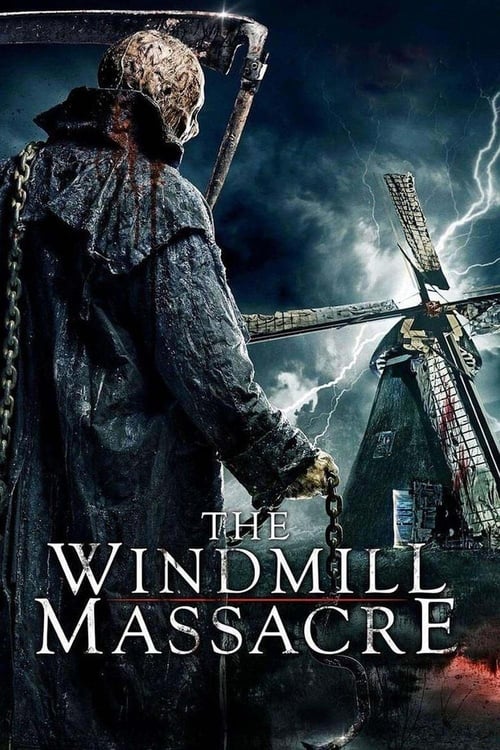
The windmill serves as the central location of horror in the film, symbolizing both the rural setting and the dark history tied to the characters' fates. It is where the main character, Jennifer, confronts her past and the malevolent force that haunts the area.
Who is the main antagonist in The Windmill Massacre?
The main antagonist is a character known as the Reaper, a supernatural figure who embodies the vengeful spirit of a miller who was wronged in the past. He hunts down the characters, each of whom has a dark secret that ties them to the windmill.
What are the backstories of the main characters?
Each character has a troubled past that connects them to the windmill. For instance, Jennifer is haunted by her own guilt and trauma, while other characters reveal their own dark secrets, such as a history of murder or betrayal, which ultimately leads to their demise.
What role does the setting play in the characters' fates?
The rural Dutch landscape and the isolated windmill create a claustrophobic atmosphere that heightens the tension. The setting is not just a backdrop but a character in itself, influencing the characters' actions and leading them to confront their pasts, which ultimately determines their fates.
Is this family friendly?
The Windmill Massacre is not family-friendly and contains several potentially objectionable or upsetting scenes that may be distressing for children or sensitive viewers.
-
Graphic Violence: The film features intense scenes of violence, including brutal killings and gore, which are depicted in a graphic manner.
-
Horror Elements: There are unsettling horror themes, including a menacing antagonist and a pervasive sense of dread that may be frightening for younger audiences.
-
Death and Mortality: The narrative revolves around themes of death, with characters facing life-threatening situations and the psychological impact of fear and survival.
-
Disturbing Imagery: The film includes disturbing visual elements that may be unsettling, such as blood and dismemberment.
-
Psychological Tension: The atmosphere is filled with tension and anxiety, which can be emotionally taxing for sensitive viewers.
Overall, the film's content is geared towards an adult audience and is likely to be inappropriate for children.







