













Popular
How does the film portray the relationship between John Lennon and Paul McCartney?
What specific events in the Beatles' early career are highlighted in the film?
What role did Brian Epstein play in the Beatles' success according to the film?
How does the film address the impact of the Beatles on popular culture?
What specific challenges did the Beatles face during their career as depicted in the film?
Should I watch it?
Ask Your Own Question

What is the plot?
Sorry, we aren't able to watch and write up a full detailed plot yet. Check back in a few days.
More Movies Like This
Browse All Movies →









What is the ending?
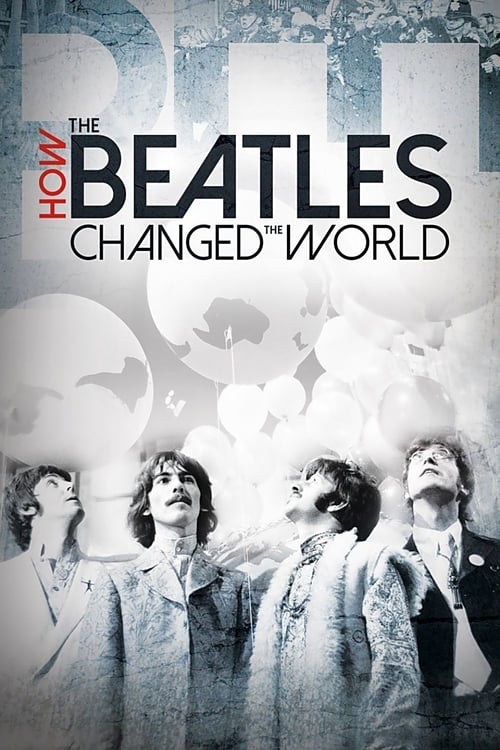
In the ending of "How the Beatles Changed the World," the film culminates in a reflection on the lasting impact of The Beatles on music, culture, and society. It emphasizes their evolution as artists and the profound influence they had on the world, showcasing their legacy through interviews and archival footage.
As the film draws to a close, it revisits key moments in The Beatles' journey, highlighting their transformation from a local Liverpool band to global icons. The narrative underscores their innovative spirit, their willingness to push boundaries, and their ability to resonate with the youth of the 1960s. The final scenes evoke a sense of nostalgia and admiration, leaving viewers with a deep appreciation for the band's contributions to music and culture.
Expanding on the ending in a chronological and narrative fashion:
The film transitions into its final act by revisiting the iconic moments of The Beatles' career, starting with their groundbreaking appearance on "The Ed Sullivan Show" in 1964. The scene is filled with the excitement of the audience, showcasing the band's electrifying performance and the immediate impact they had on American culture. The camera captures the faces of young fans, their eyes wide with adoration, as they scream and dance, embodying the fervor of Beatlemania.
Next, the narrative shifts to the band's experimentation with music and their artistic evolution. The film highlights the release of "Sgt. Pepper's Lonely Hearts Club Band," showcasing the vibrant album cover and the innovative sounds that defined the era. The visuals of the studio sessions reveal the band's camaraderie and creative synergy, as they push each other to explore new musical territories. The emotional weight of their artistic journey is palpable, as they grapple with fame, personal struggles, and the desire to remain true to their artistic vision.
As the film progresses, it delves into the individual paths of the band members. John Lennon's introspective nature is highlighted, showcasing his desire for peace and social change, while Paul McCartney's ambition and drive to create resonate through the scenes of him crafting timeless melodies. George Harrison's spiritual quest and musical exploration are depicted, emphasizing his growth as an artist. Ringo Starr's charm and humor provide a lighter contrast, reminding viewers of the joy they brought to their fans.
The narrative then addresses the eventual disbandment of The Beatles, capturing the emotional turmoil and the sense of loss felt by both the band and their fans. The film presents archival footage of their final recording sessions, where tensions are evident, yet the love and respect among the members remain. The poignant moment of their last public performance on the rooftop of Apple Corps is revisited, encapsulating the bittersweet nature of their farewell.
In the concluding scenes, the film reflects on the legacy of The Beatles, showcasing interviews with music historians, fans, and fellow artists who discuss the band's profound influence on music and culture. The visuals shift to modern-day tributes, concerts, and the continued relevance of their music, illustrating how their message of love, peace, and creativity transcends generations.
As the credits roll, the film leaves viewers with a sense of hope and inspiration, celebrating the enduring spirit of The Beatles. Each member's journey is acknowledged, with John Lennon remembered for his activism, Paul McCartney for his musical genius, George Harrison for his spiritual depth, and Ringo Starr for his infectious joy. The film closes on a powerful note, reminding audiences of the transformative power of music and the lasting impact of The Beatles on the world.
Is there a post-credit scene?
The movie "How the Beatles Changed the World," produced in 2017, does not contain a post-credit scene. The film concludes with a comprehensive exploration of the Beatles' impact on music, culture, and society, wrapping up their legacy without any additional scenes or content after the credits. The focus remains on their historical significance and the profound changes they brought to the world during and after their career.
How does the film portray the relationship between John Lennon and Paul McCartney?
The film explores the deep bond between John Lennon and Paul McCartney, highlighting their songwriting partnership and creative synergy. It illustrates their contrasting personalities, with Lennon being more rebellious and McCartney more polished, yet together they create some of the most iconic music of the era.
What specific events in the Beatles' early career are highlighted in the film?
The film delves into the Beatles' early days in Liverpool, showcasing their formation in 1960, their performances at the Cavern Club, and their initial recordings with producer George Martin. It captures the excitement and energy of their rise to fame, emphasizing their unique sound and the chemistry between the band members.
What role did Brian Epstein play in the Beatles' success according to the film?
Brian Epstein is depicted as a pivotal figure in the Beatles' journey, serving as their manager who believed in their potential. The film details how he transformed their image, secured their record deal with EMI, and guided them through the complexities of fame, ultimately shaping their public persona.
How does the film address the impact of the Beatles on popular culture?
The film illustrates the Beatles' profound influence on popular culture, showcasing their innovative music, fashion, and lifestyle. It highlights key moments such as their appearance on The Ed Sullivan Show, which marked the beginning of Beatlemania in America, and their experimentation with different musical styles that inspired countless artists.
What specific challenges did the Beatles face during their career as depicted in the film?
The film addresses various challenges the Beatles encountered, including the pressures of fame, internal conflicts, and the impact of their controversial statements, such as Lennon's remark about being 'more popular than Jesus.' It also touches on their decision to stop touring and focus on studio work, which marked a significant turning point in their career.
Is this family friendly?
The movie "How the Beatles Changed the World" is generally considered family-friendly, as it primarily focuses on the cultural impact of the Beatles and their music. However, there are a few aspects that might be considered potentially objectionable or upsetting for children or sensitive viewers:
-
Discussion of Drug Use: The film touches on the Beatles' experimentation with drugs during the 1960s, which may be a sensitive topic for some viewers.
-
Social and Political Turmoil: The documentary includes references to the social upheaval of the 1960s, including protests and civil rights movements, which may be intense for younger audiences.
-
Personal Struggles: There are mentions of personal challenges faced by the band members, including mental health issues and the pressures of fame, which could be emotionally heavy for some viewers.
-
Historical Context: The film discusses the assassination of John Lennon, which, while not graphic, is a significant and potentially distressing event in the narrative.
Overall, while the film is educational and celebrates the Beatles' legacy, these elements may require parental guidance for younger viewers.








