























Popular
What role does Thurgood Marshall play in the trial of Joseph Spell?
How does the character of Sam Friedman contribute to the defense of Joseph Spell?
What challenges do Thurgood Marshall and Sam Friedman face during the trial?
How does the film depict the relationship between Thurgood Marshall and Joseph Spell?
What is the significance of the character Eleanor Strubing in the story?
Should I watch it?
Ask Your Own Question

What is the plot?
Sorry, we aren't able to watch and write up a full detailed plot yet. Check back in a few days.








What is the ending?
In the ending of the movie "Marshall," Thurgood Marshall successfully defends Joseph Spell, who is accused of raping and murdering a wealthy white woman. The jury finds Spell not guilty, leading to his release. Marshall's victory is a significant moment in his career and a step forward in the fight against racial injustice. The film concludes with Marshall reflecting on the case and his ongoing commitment to civil rights.
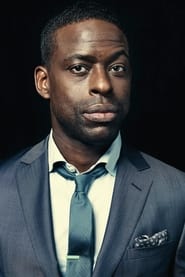
As the climax of "Marshall" unfolds, the courtroom is tense, filled with anticipation. Thurgood Marshall, portrayed by Chadwick Boseman, stands before the jury, passionately arguing for the innocence of Joseph Spell, played by Sterling K. Brown. The atmosphere is thick with the weight of racial prejudice and societal expectations, as the case has garnered significant attention due to its implications for both the African American community and the legal system.
In the final moments of the trial, Marshall delivers a powerful closing argument. He emphasizes the lack of credible evidence against Spell and highlights the inconsistencies in the prosecution's case. The jury, composed of white men, listens intently, their expressions a mix of skepticism and contemplation. Marshall's determination is palpable; he is not just fighting for Spell's freedom but also challenging the systemic racism that permeates the justice system.
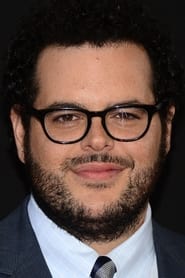
As the jury deliberates, the tension in the courtroom is almost unbearable. Marshall, alongside his legal partner Sam Friedman, played by Josh Gad, waits anxiously. The film captures the emotional weight of the moment, showcasing Marshall's internal struggle as he grapples with the potential consequences of the jury's decision--not just for Spell, but for the broader fight for civil rights.
Finally, the jury returns with their verdict. The foreman stands, and the courtroom holds its breath. When he announces that Joseph Spell is not guilty, a wave of relief washes over Marshall and Friedman. The verdict is a triumph not only for Spell but also for Marshall's career, marking a pivotal moment in his journey toward becoming the first African American Supreme Court Justice.
In the aftermath of the trial, the film shifts to a reflective tone. Marshall and Friedman share a moment of camaraderie, acknowledging the significance of their victory. However, the film does not shy away from the reality that the fight against racial injustice is far from over. Marshall's expression reveals a mix of triumph and determination, as he understands that this case is just one battle in a much larger war.
As the credits begin to roll, viewers are left with a sense of hope and the recognition of the ongoing struggle for equality. Marshall's character embodies resilience and the relentless pursuit of justice, setting the stage for his future endeavors in civil rights. The film closes with a poignant reminder of the importance of standing up against injustice, no matter the odds.
Is there a post-credit scene?
The movie "Marshall," released in 2017, does not have a post-credit scene. The film concludes with a focus on the legacy of Thurgood Marshall and his impact on civil rights and the legal system, leaving the audience with a sense of closure regarding the story of the landmark case he worked on. The credits roll without any additional scenes or content following them.
What role does Thurgood Marshall play in the trial of Joseph Spell?
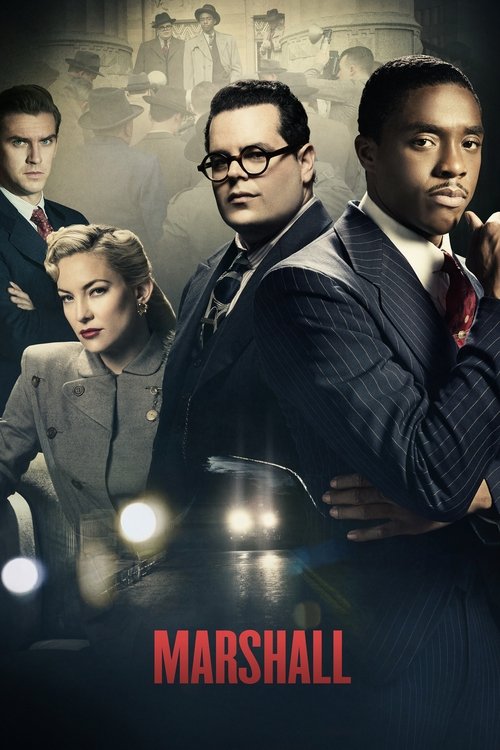
Thurgood Marshall, played by Chadwick Boseman, serves as the lead attorney for Joseph Spell, a Black man accused of raping a wealthy white woman, Eleanor Strubing. Marshall's role is pivotal as he navigates the racially charged atmosphere of the 1940s, using his legal expertise and determination to defend Spell against the charges, while also confronting the systemic racism of the legal system.
How does the character of Sam Friedman contribute to the defense of Joseph Spell?
Sam Friedman, portrayed by Josh Gad, is a Jewish attorney who becomes Marshall's ally in the defense of Joseph Spell. Initially hesitant and fearful of the repercussions of taking on such a controversial case, Friedman ultimately steps up to support Marshall, showcasing his growth from a timid lawyer to a passionate advocate for justice, as he learns to confront his own prejudices and the societal challenges of the time.
What challenges do Thurgood Marshall and Sam Friedman face during the trial?
Throughout the trial, Marshall and Friedman face numerous challenges, including overt racism from the prosecution and the jury, as well as legal obstacles such as the judge's bias against them. They struggle to present evidence that supports Spell's innocence, including the lack of physical evidence and the inconsistencies in the accuser's testimony, all while dealing with the emotional toll of the case and the societal pressures surrounding it.
How does the film depict the relationship between Thurgood Marshall and Joseph Spell?
The relationship between Thurgood Marshall and Joseph Spell is depicted as one of mutual respect and trust. Marshall is deeply committed to Spell's case, often reassuring him and providing emotional support. As the trial progresses, their bond strengthens, highlighting Marshall's dedication not only to legal justice but also to the personal dignity and humanity of his client, which is crucial in a racially biased legal system.
What is the significance of the character Eleanor Strubing in the story?
Eleanor Strubing, played by Kate Hudson, is significant as the accuser in the trial against Joseph Spell. Her character embodies the racial and gender dynamics of the time, as her testimony is central to the prosecution's case. The film explores her motivations and the societal implications of her accusations, revealing the complexities of her character and the impact of her actions on the lives of both Spell and Marshall.
Is this family friendly?
"Marshall," produced in 2017, is a biographical legal drama that tells the story of Thurgood Marshall, the first African American Supreme Court Justice, focusing on a pivotal case in his early career. While the film is generally suitable for older children and families, there are some potentially objectionable or upsetting aspects to consider:
-
Racial Injustice: The film addresses themes of racism and discrimination, which may be difficult for younger viewers to fully understand. There are scenes depicting the harsh realities of racial prejudice in the 1940s.
-
Courtroom Drama: The courtroom scenes can be intense, featuring heated exchanges and emotional testimonies that may be distressing for sensitive viewers.
-
Violence and Assault: There are references to violence, including a sexual assault case that is central to the plot. While not graphically depicted, the implications and discussions surrounding the assault may be upsetting.
-
Language: The film contains some strong language that may not be suitable for younger audiences.
-
Emotional Struggles: Characters experience significant emotional turmoil, including fear, anger, and frustration, which may resonate deeply with viewers and evoke strong feelings.
Overall, while "Marshall" is an important historical film with educational value, parents may want to consider these elements when deciding if it is appropriate for their children or sensitive viewers.