


















Popular
What role does the police investigation play in the development of the plot?
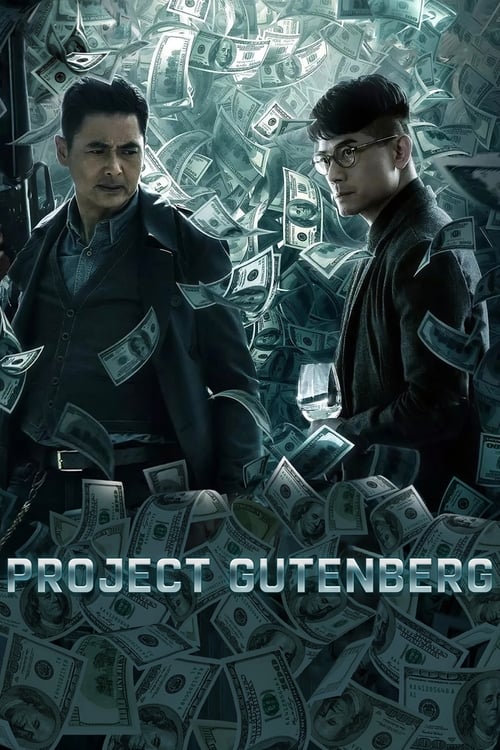
What is the significance of the painting in Project Gutenberg?
How does Lee Man's relationship with his mentor, the forger, evolve throughout the film?
How does the character of the police officer impact the story?
What are the motivations behind Lee Man's decision to become a forger?
Should I watch it?
Ask Your Own Question

What is the plot?
Sorry, we aren't able to watch and write up a full detailed plot yet. Check back in a few days.





What is the ending?
In the ending of "Project Gutenberg," the main character, Lee Man, confronts the truth about his identity and the consequences of his actions. After a series of intense confrontations, he ultimately sacrifices himself to protect his loved ones and ensure that the criminal organization is dismantled. The film concludes with a sense of unresolved tension, as the impact of Lee Man's choices lingers in the air.
As the climax of "Project Gutenberg" unfolds, we find Lee Man, played by Aaron Kwok, in a tense standoff with the police and the remaining members of the criminal organization. The atmosphere is thick with suspense, as the stakes have never been higher. Lee Man, who has been living under the shadow of his past and the identity of the notorious forger, is now faced with the reality of his choices.
In a dimly lit warehouse, the scene is set for the final confrontation. Lee Man's internal struggle is palpable; he grapples with the weight of his past actions and the lives they have affected. The police, led by Inspector Lee, are closing in, having pieced together the puzzle of the forger's identity. Lee Man's heart races as he realizes that he must make a choice: to flee and save himself or to confront the truth and protect those he loves.
As the police storm the warehouse, Lee Man makes a desperate decision. He confronts the leader of the criminal organization, who has manipulated him throughout the film. In a tense exchange, Lee Man reveals his true identity and the extent of the forger's operations. The leader, cornered and furious, threatens Lee Man's loved ones, pushing him to the brink.
In a moment of clarity, Lee Man understands that he cannot escape his past. He chooses to sacrifice himself, allowing the police to apprehend him while ensuring that the criminal organization is dismantled. The emotional weight of this decision is heavy; Lee Man's face reflects a mix of fear, determination, and a sense of redemption. He knows that by taking this stand, he is not only protecting his loved ones but also finally confronting the demons of his past.
As the police take him into custody, the camera lingers on Lee Man's face, capturing the bittersweet resolution of his journey. The final moments of the film show the aftermath of his sacrifice. Inspector Lee, who has been a relentless pursuer of justice, reflects on the complexities of morality and the choices that lead individuals down dark paths. The film closes with a sense of ambiguity, leaving the audience to ponder the true cost of identity and the impact of one's choices on the lives of others.
In the end, Lee Man's fate is sealed as he faces the consequences of his actions, while the remaining characters are left to navigate the aftermath of his sacrifice. The film leaves viewers with lingering questions about justice, identity, and the sacrifices made in the name of love and redemption.
Is there a post-credit scene?
In the movie "Project Gutenberg," there is no post-credit scene. The film concludes its narrative without any additional scenes or content after the credits roll. The story wraps up with a focus on the main characters and their fates, leaving the audience with a sense of closure regarding the intricate plot surrounding art forgery and identity. The absence of a post-credit scene emphasizes the film's themes and the resolution of its central conflict.
What role does the police investigation play in the development of the plot?
The police investigation is a driving force in Project Gutenberg, creating tension and urgency throughout the film. As the authorities close in on the forgers, Lee Man's internal struggle intensifies. The investigation not only serves to heighten the stakes but also reveals the complexities of the characters' lives, as they must navigate their criminal activities while evading capture.
What is the significance of the painting in Project Gutenberg?
The painting in Project Gutenberg serves as a crucial plot device that connects the characters and their motivations. It symbolizes the art of forgery and the blurred lines between authenticity and deception. The protagonist, Lee Man, becomes deeply involved in the world of art forgery, and the painting represents both his skill and the moral dilemmas he faces as he navigates this dangerous underworld.
How does Lee Man's relationship with his mentor, the forger, evolve throughout the film?
Lee Man's relationship with his mentor, the forger, begins with admiration and a desire to learn the craft of forgery. As the story progresses, Lee Man becomes increasingly aware of the darker aspects of this world, leading to tension and conflict between them. His mentor's manipulative nature and the risks involved in their operations force Lee Man to confront his own values and ultimately question his loyalty.
How does the character of the police officer impact the story?
The police officer in Project Gutenberg serves as both an antagonist and a catalyst for Lee Man's transformation. His relentless pursuit of the forgers adds pressure to the narrative, forcing Lee Man to make difficult choices. The officer's determination to uncover the truth contrasts with Lee Man's desire to protect his newfound life, creating a compelling dynamic that drives the plot forward.
What are the motivations behind Lee Man's decision to become a forger?
Lee Man's motivations for becoming a forger stem from a combination of desperation and ambition. Initially, he is drawn to the allure of wealth and the thrill of the art world. However, as he becomes more entrenched in the forger's lifestyle, his motivations shift towards a need for identity and belonging. The emotional weight of his choices reflects his internal conflict between the desire for success and the moral implications of his actions.
Is this family friendly?
"Project Gutenberg," produced in 2018, is not considered family-friendly due to its mature themes and content. The film contains several potentially objectionable or upsetting elements, including:
- Violence: There are scenes depicting gunfights and physical confrontations that may be intense and graphic.
- Crime and Deception: The plot revolves around counterfeiting and organized crime, which may be unsettling for younger viewers.
- Mature Themes: The film explores themes of betrayal, identity, and moral ambiguity, which may be complex and difficult for children to understand.
- Emotional Turmoil: Characters experience significant emotional distress, including feelings of guilt, loss, and betrayal, which could be heavy for sensitive viewers.
Overall, the film's tone and subject matter are more suited for adult audiences.









