

Popular
How does the relationship between Alex and his mentor evolve throughout the film?
What motivates the main character to pursue martial arts in The Techniques of Fighting?
What challenges does Alex face in his training, and how do they affect his character development?
Who is the main antagonist in The Techniques of Fighting, and what drives their conflict with Alex?
What role does the final tournament play in the climax of the film?
Should I watch it?
Ask Your Own Question

What is the plot?
Sorry, we aren't able to watch and write up a full detailed plot yet. Check back in a few days.


What is the ending?
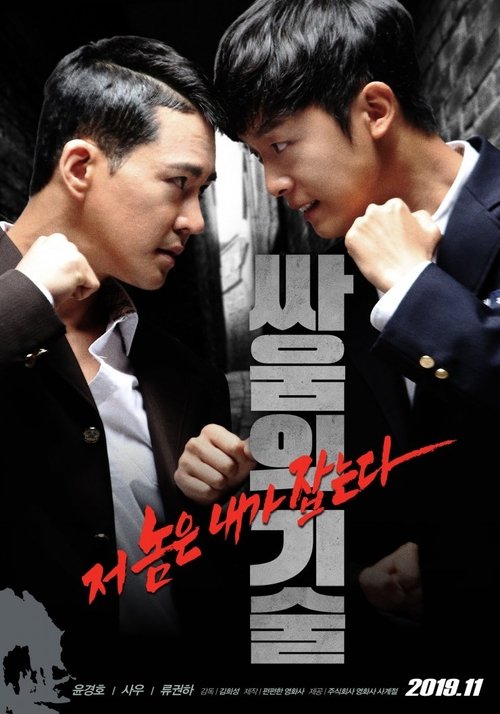
In the ending of "The Techniques of Fighting," the protagonist, Alex, faces off against his rival, Marco, in a climactic showdown. After a fierce battle that tests their skills and resolve, Alex emerges victorious but is left emotionally conflicted. The film concludes with Alex reflecting on the true meaning of strength and the importance of friendship, while Marco, defeated but respectful, acknowledges Alex's growth.
As the final act unfolds, the scene shifts to a dimly lit gym, where the air is thick with tension. The camera pans across the room, capturing the sweat-soaked mats and the determined expressions of the onlookers. Alex stands in one corner, his fists clenched, his heart racing as he prepares for the fight against Marco. The stakes are high; this match is not just about winning but about proving himself after a long journey of self-discovery and training.
The bell rings, and the two fighters circle each other, their eyes locked in a fierce gaze. Alex's internal struggle is palpable; he remembers the moments of doubt and the sacrifices he made to reach this point. As they exchange blows, the choreography of their movements is both brutal and beautiful, showcasing their mastery of martial arts. Each punch and kick is a testament to their training, but also a reflection of their personal battles.
As the fight progresses, Marco gains the upper hand, landing a series of powerful strikes that push Alex to his limits. The audience gasps, feeling the weight of Alex's desperation. He recalls the support of his friends and mentors, which fuels his determination. With a sudden surge of energy, Alex counters Marco's attack, executing a flawless technique he had struggled to master throughout the film. The crowd erupts in cheers as he gains momentum.
In a pivotal moment, Alex delivers a decisive blow that sends Marco to the ground. The camera captures the look of shock on Marco's face, followed by a deep respect as he acknowledges Alex's skill. As the referee raises Alex's hand in victory, the atmosphere shifts. Instead of celebrating, Alex's expression is one of contemplation. He realizes that this fight was not just about defeating Marco but about understanding himself and the true essence of strength.
The scene transitions to a quiet moment after the fight. Alex approaches Marco, extending a hand to help him up. Their eyes meet, and in that exchange, there is a silent acknowledgment of their shared journey. Marco, though defeated, smiles and nods, showing his respect for Alex's growth. This moment signifies a shift in their relationship, moving from rivalry to mutual respect.
As the film draws to a close, Alex stands outside the gym, the sun setting in the background. He reflects on his journey, the friendships he forged, and the lessons learned. The camera zooms out, capturing the vastness of the world before him, symbolizing the endless possibilities that lie ahead. The final shot lingers on Alex's face, a mix of determination and hope, as he steps forward into a new chapter of his life.
In the end, Alex emerges as a stronger individual, not just as a fighter but as a person who understands the value of resilience and camaraderie. Marco, while defeated, gains a newfound respect for Alex, setting the stage for potential future collaboration rather than conflict. The film concludes with a sense of closure, emphasizing that true strength lies not in victory but in the journey and the connections made along the way.
Is there a post-credit scene?
In "The Techniques of Fighting," there is indeed a post-credit scene that adds an intriguing layer to the film's conclusion.
As the credits roll, the screen fades to black before transitioning to a dimly lit gym, where the sound of heavy breathing and the rhythmic thud of fists hitting a punching bag fills the air. The camera slowly pans to reveal the protagonist, Alex, who is seen training intensely, sweat glistening on his brow. His expression is a mix of determination and lingering doubt, reflecting the emotional turmoil he faced throughout the film.
Suddenly, the door swings open, and a figure steps inside--it's his former mentor, Coach Ramirez. The tension in the room shifts as Alex pauses, his fists stilling against the bag. Coach Ramirez approaches, a knowing smile on his face, and they exchange a look that speaks volumes about their shared history and the challenges that lie ahead.
Coach Ramirez hands Alex a small, worn-out notebook filled with techniques and strategies, a symbol of their bond and the lessons learned. As Alex flips through the pages, a sense of purpose ignites within him. The scene closes with a close-up of Alex's face, a flicker of hope and resolve shining in his eyes, suggesting that his journey is far from over and that new challenges await.
This post-credit scene not only reinforces the themes of mentorship and personal growth but also leaves the audience with a sense of anticipation for what Alex's future holds in the world of fighting.
How does the relationship between Alex and his mentor evolve throughout the film?
Initially, Alex's mentor, Master Chen, is strict and demanding, pushing Alex to his limits. As the story progresses, their relationship deepens; Master Chen becomes a father figure, guiding Alex not just in fighting techniques but also in life lessons, ultimately leading to a mutual respect and understanding.
What motivates the main character to pursue martial arts in The Techniques of Fighting?
The main character, Alex, is driven by a deep-seated desire to prove himself after being bullied in his youth. This motivation is compounded by the loss of his father, a former martial artist, which instills in him a longing to connect with his father's legacy and find strength within himself.
What challenges does Alex face in his training, and how do they affect his character development?
Alex faces numerous challenges, including physical injuries, self-doubt, and the pressure of competition. Each setback forces him to confront his fears and insecurities, leading to significant character growth as he learns resilience, discipline, and the importance of perseverance.
Who is the main antagonist in The Techniques of Fighting, and what drives their conflict with Alex?
The main antagonist is a rival fighter named Marco, who embodies arrogance and aggression. Marco's conflict with Alex is fueled by jealousy and a desire to maintain his status as the top fighter, leading to intense confrontations that test Alex's skills and resolve.
What role does the final tournament play in the climax of the film?
The final tournament serves as the climax where all of Alex's training and personal growth culminate. It is not just a test of physical prowess but also a battle of wills, where Alex must confront Marco and his own inner demons, ultimately defining his journey and the lessons he has learned.
Is this family friendly?
"The Techniques of Fighting," produced in 2019, is not considered family-friendly due to its intense themes and scenes. Here are some potentially objectionable or upsetting aspects that may affect children or sensitive viewers:
-
Violence: The film features numerous fight scenes that depict physical confrontations, which may be graphic and intense, showcasing injuries and the emotional toll of violence.
-
Emotional Turmoil: Characters experience significant emotional struggles, including anger, betrayal, and loss, which may be distressing for younger audiences.
-
Mature Themes: The narrative explores themes of revenge, personal conflict, and the consequences of violence, which may be complex and difficult for children to understand.
-
Language: There may be instances of strong language or profanity that could be inappropriate for younger viewers.
-
Intense Situations: Scenes that involve high-stakes confrontations or moments of despair may evoke strong emotional reactions, potentially unsettling for sensitive individuals.
Overall, the film's focus on fighting techniques and the psychological impact of conflict makes it more suitable for mature audiences.