

























Popular
What is the significance of Jesse Pinkman's journey in El Camino?
How does the character of Todd Alquist impact Jesse in El Camino?
What role does the character of Mike Ehrmantraut play in Jesse's journey?
How does the film depict Jesse's relationships with other characters from Breaking Bad?
What is the significance of the car in Jesse's escape?
Should I watch it?
Ask Your Own Question

What is the plot?
Sorry, we aren't able to watch and write up a full detailed plot yet. Check back in a few days.
More Movies Like This
Browse All Movies →









What is the ending?
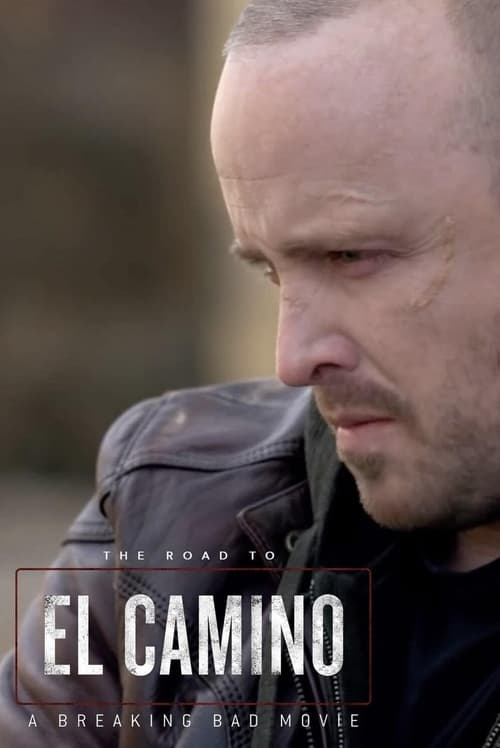
The ending of "The Road to El Camino: Behind the Scenes of El Camino: A Breaking Bad Movie" focuses on the reflections of the cast and crew on the making of "El Camino: A Breaking Bad Movie." It highlights the emotional weight of the story, the character arcs, and the closure provided to Jesse Pinkman's journey. The film concludes with insights into the creative process and the impact of the original series on the characters and the audience.
In a more detailed narrative, the ending unfolds as follows:
As the documentary progresses towards its conclusion, the filmmakers shift their focus to the emotional resonance of Jesse Pinkman's journey, portrayed by Aaron Paul. The behind-the-scenes footage captures the final moments of filming "El Camino," where Jesse, having escaped captivity, seeks redemption and freedom. The crew discusses the significance of Jesse's character, emphasizing his transformation from a troubled young man to someone who has endured immense suffering.
The documentary intersperses clips from "El Camino," showcasing Jesse's desperate attempts to reclaim his life. The scenes depict his interactions with various characters, including Todd Alquist, whose chilling demeanor serves as a stark reminder of Jesse's traumatic past. The crew reflects on the importance of these moments, noting how they encapsulate Jesse's internal struggle and desire for liberation.
As the film nears its end, the cast members share their personal experiences while working on "El Camino." Aaron Paul expresses his deep connection to Jesse, revealing how the character's journey mirrors his own emotional experiences. The camaraderie among the cast is palpable, with each member recounting their favorite moments and the challenges they faced during production.
The documentary culminates in a poignant discussion about the legacy of "Breaking Bad" and its impact on the characters. The filmmakers highlight the themes of redemption and the consequences of one's choices, underscoring how these elements resonate with audiences. The final scenes of "El Camino" are revisited, showcasing Jesse's escape in the El Camino car, symbolizing his newfound freedom and the hope for a better future.
As the credits roll, the cast and crew express their gratitude for the opportunity to revisit these beloved characters. The film closes with a sense of closure for Jesse Pinkman, leaving viewers with a bittersweet understanding of his journey and the lasting impact of "Breaking Bad" on both the characters and the audience.
Is there a post-credit scene?
The Road to El Camino: Behind the Scenes of El Camino: A Breaking Bad Movie does not feature a post-credit scene. The documentary focuses on the making of El Camino: A Breaking Bad Movie, providing insights into the creative process, character development, and behind-the-scenes footage. It includes interviews with the cast and crew, exploring their experiences and the emotional weight of concluding the story of Jesse Pinkman. The film serves as a comprehensive look at the production rather than including additional narrative content like a post-credit scene.
What is the significance of Jesse Pinkman's journey in El Camino?
Jesse Pinkman's journey in El Camino is a deeply emotional and transformative experience. After escaping captivity, he is haunted by the trauma of his past, particularly the loss of his friends and the guilt he carries for his actions. The film explores his internal struggle as he seeks redemption and a fresh start, showcasing his desperation to break free from the cycle of violence and manipulation that has defined his life.
How does the character of Todd Alquist impact Jesse in El Camino?
Todd Alquist serves as a haunting reminder of Jesse's traumatic experiences during his captivity. His calm demeanor juxtaposed with his brutal actions creates a chilling presence that affects Jesse's mental state. Throughout the film, flashbacks to Todd's cruelty reveal the depth of Jesse's suffering and the psychological scars that drive his quest for freedom.
What role does the character of Mike Ehrmantraut play in Jesse's journey?
Mike Ehrmantraut appears in El Camino as a guiding figure for Jesse, representing a moral compass amidst the chaos. In flashback scenes, Mike offers Jesse advice on how to navigate his troubled life, emphasizing the importance of making choices that lead to a better future. His presence serves to highlight Jesse's internal conflict and the struggle between his past and the hope for redemption.
How does the film depict Jesse's relationships with other characters from Breaking Bad?
El Camino intricately weaves Jesse's relationships with characters like Walter White and Jane Margolis into its narrative. Flashbacks reveal the complexities of these connections, showcasing moments of camaraderie, betrayal, and love. These relationships are pivotal in shaping Jesse's emotional landscape, as he grapples with the impact of their actions on his life and his quest for closure.
What is the significance of the car in Jesse's escape?
The car in El Camino symbolizes both freedom and the weight of Jesse's past. As he drives away from his traumatic experiences, the vehicle represents his desire to escape and start anew. However, it also serves as a reminder of the choices he has made and the people he has lost. The car becomes a vessel for his emotional journey, encapsulating his struggle between fleeing from his past and confronting it head-on.
Is this family friendly?
"The Road to El Camino: Behind the Scenes of El Camino: A Breaking Bad Movie" is not considered family-friendly. The documentary contains several potentially objectionable aspects that may be upsetting for children or sensitive viewers:
-
Strong Language: The film features frequent use of profanity, which may not be suitable for younger audiences.
-
Violence and Crime Themes: Discussions and depictions of violence, drug use, and criminal behavior are prevalent, reflecting the themes of the original series and the movie.
-
Emotional Intensity: The documentary explores heavy emotional themes, including loss, betrayal, and the consequences of a life of crime, which may be distressing for some viewers.
-
Graphic Imagery: There may be references to graphic scenes from "Breaking Bad" and "El Camino," which could be unsettling.
-
Mature Themes: The exploration of complex adult relationships and moral dilemmas may not resonate with younger audiences.
Overall, the content is geared towards an adult audience familiar with the series and its themes.








