
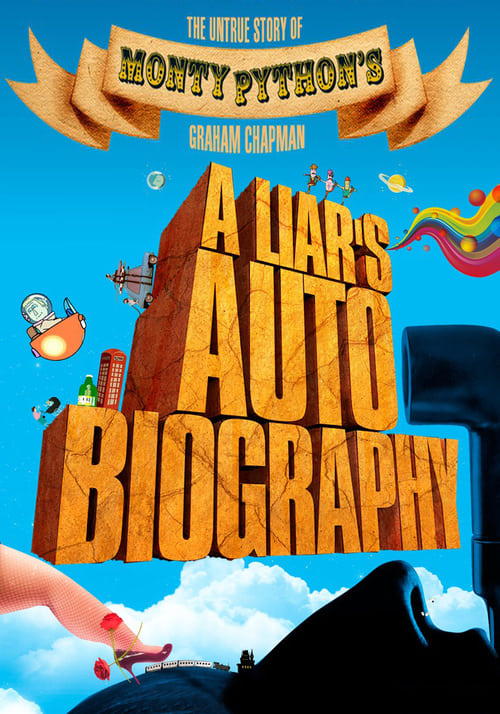













Popular
What role does Graham Chapman's alter ego play in the narrative?
How does the film depict Graham Chapman's relationship with his fellow Monty Python members?
What significant events from Graham Chapman's life are highlighted in the film?
How does the animation style contribute to the storytelling in the film?
What is the significance of the film's title, 'A Liar's Autobiography'?
Should I watch it?
Ask Your Own Question

What is the plot?
Sorry, we aren't able to watch and write up a full detailed plot yet. Check back in a few days.







What is the ending?
In the ending of "A Liar's Autobiography: The Untrue Story of Monty Python's Graham Chapman," Graham Chapman reflects on his life and his impending death. He embraces his identity and the absurdity of life, ultimately finding peace. The film concludes with a celebration of his legacy, as his friends from Monty Python pay tribute to him, and he is depicted as a character who has come to terms with his past.
As the film approaches its conclusion, we find ourselves in a surreal and animated representation of Graham Chapman's mind. The scenes shift between vibrant colors and whimsical animations, reflecting the chaotic yet humorous essence of his life. Chapman, voiced by himself, navigates through memories, both fond and painful, as he confronts his mortality.
In one poignant scene, Chapman is depicted lying in a hospital bed, grappling with the reality of his terminal illness. The animation shifts to a dreamlike sequence where he interacts with various characters from his past, including his fellow Monty Python members. Each interaction is infused with humor, yet there is an underlying current of sadness as they reminisce about their shared experiences. The camaraderie is palpable, and the laughter serves as a bittersweet reminder of the joy and absurdity that defined their time together.
As the narrative unfolds, Chapman reflects on his struggles with identity, sexuality, and addiction. He acknowledges the chaos of his life, but there is a sense of acceptance that permeates his thoughts. The animation becomes increasingly whimsical, illustrating his belief in the absurdity of existence. He embraces the idea that life is a series of unpredictable events, and this realization brings him a sense of peace.
In the final scenes, the film transitions to a more somber tone as Chapman's health deteriorates. He is shown surrounded by friends, who share stories and laughter, celebrating his life rather than mourning his impending death. The atmosphere is one of joy and remembrance, highlighting the impact he had on those around him. The Monty Python members, animated in their iconic styles, pay tribute to Chapman's legacy, showcasing their enduring friendship and the influence he had on comedy.
The film concludes with a powerful visual metaphor: Chapman's spirit is depicted as ascending into the sky, surrounded by clouds and light. This imagery symbolizes his acceptance of death and his belief in the continuation of his spirit through laughter and creativity. The final moments are filled with a sense of liberation, as Chapman's voice echoes with a message of embracing life's absurdities.
In summary, the ending of "A Liar's Autobiography" encapsulates Graham Chapman's journey of self-acceptance and the celebration of his life. The main characters, including Chapman and his Monty Python friends, find solace in their shared memories, ultimately portraying a narrative that honors the complexities of life, death, and the enduring power of humor.
Is there a post-credit scene?
In "A Liar's Autobiography: The Untrue Story of Monty Python's Graham Chapman," there is indeed a post-credit scene. After the credits roll, viewers are treated to a whimsical and humorous moment that encapsulates the spirit of Graham Chapman and the Monty Python troupe.
In this scene, animated versions of the Monty Python characters appear, engaging in a playful and absurd dialogue that reflects the irreverent humor for which they are known. The characters discuss the nature of truth and lies, poking fun at the very concept of autobiographies and the reliability of personal narratives. This light-hearted banter serves as a fitting tribute to Chapman's legacy, emphasizing the blend of comedy and introspection that permeates the film.
The animation is vibrant and exaggerated, showcasing the unique artistic style that characterizes the film. The scene leaves the audience with a sense of joy and a reminder of the enduring impact of Chapman's work, reinforcing the film's themes of identity, memory, and the often absurd nature of life itself.
What role does Graham Chapman's alter ego play in the narrative?
Graham Chapman's alter ego, a flamboyant and often irreverent version of himself, serves as the film's narrator and central character. This persona allows Chapman to explore his life experiences, including his struggles with identity, sexuality, and his career in Monty Python. The alter ego's humorous and candid commentary provides insight into Chapman's internal conflicts and his unique perspective on the absurdities of life.
How does the film depict Graham Chapman's relationship with his fellow Monty Python members?
The film portrays Graham Chapman's relationship with his fellow Monty Python members as a complex mix of camaraderie, rivalry, and deep affection. Through animated sequences and voiceovers, viewers witness moments of collaboration and creative tension, highlighting how their shared humor and artistic vision shaped their iconic sketches. Chapman's reflections reveal both the joy and the challenges of working within such a talented ensemble.
What significant events from Graham Chapman's life are highlighted in the film?
The film highlights several significant events from Graham Chapman's life, including his childhood experiences, his time at Cambridge University, and his rise to fame with Monty Python. Key moments include his struggles with alcoholism, his coming out as gay, and his battle with cancer. Each event is depicted with a blend of humor and poignancy, illustrating how these experiences influenced his comedic voice and personal identity.
How does the animation style contribute to the storytelling in the film?
The animation style in 'A Liar's Autobiography' is eclectic and vibrant, reflecting the whimsical and surreal nature of Chapman's humor. Each segment of the film employs different animation techniques, from traditional hand-drawn styles to 3D computer graphics, which enhances the storytelling by visually representing Chapman's memories and fantasies. This dynamic approach allows for a playful exploration of serious themes, making the narrative both engaging and visually stimulating.
What is the significance of the film's title, 'A Liar's Autobiography'?
The title 'A Liar's Autobiography' signifies the film's playful approach to truth and fiction in storytelling. It reflects Graham Chapman's own admission that his life story is filled with exaggerations, fabrications, and humorous twists. This self-aware title sets the tone for the film, inviting viewers to question the reliability of autobiographical narratives while enjoying the absurdity and humor that characterize Chapman's life and work.
Is this family friendly?
"A Liar's Autobiography: The Untrue Story of Monty Python's Graham Chapman" is an animated film that presents a unique and often irreverent take on the life of Graham Chapman, one of the founding members of Monty Python. While the film is rich in humor and creativity, it does contain several elements that may not be suitable for children or sensitive viewers.
-
Adult Themes: The film explores themes of sexuality, including references to Chapman's experiences with homosexuality and relationships, which may be inappropriate for younger audiences.
-
Substance Use: There are depictions of alcohol and drug use, reflecting Chapman's own struggles with addiction, which could be distressing or confusing for children.
-
Dark Humor: The film employs a style of humor that often delves into darker or more absurd aspects of life, including death and existential musings, which may not resonate well with all viewers.
-
Graphic Imagery: Some animated sequences may include surreal or grotesque imagery that could be unsettling for sensitive viewers.
-
Language: There are instances of strong language and crude humor that may not be appropriate for younger audiences.
Overall, while the film is a celebration of Chapman's life and creativity, its content may be better suited for older teens and adults who can appreciate its unique blend of humor and introspection.








