
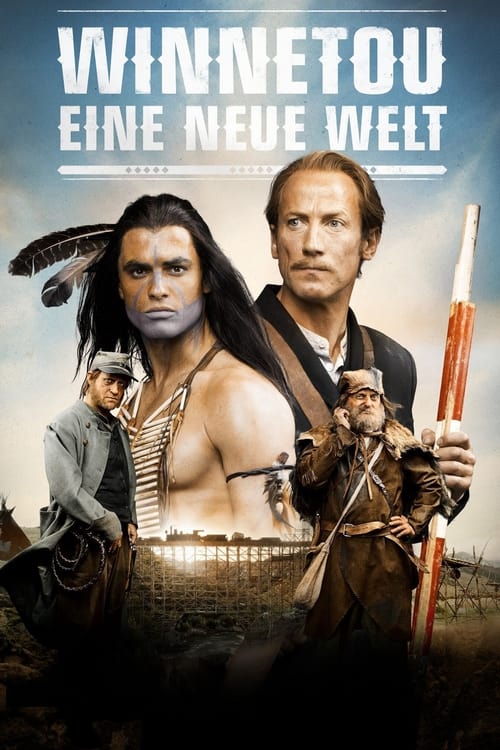






















Popular
What significant events lead to the climax of the film?
What role does the antagonist play in the story, and how does it affect the main characters?
What is the relationship between Winnetou and Old Shatterhand in the film?
How does the character of Winnetou evolve throughout the film?
How does the film portray the theme of friendship between different cultures?
Should I watch it?
Ask Your Own Question

What is the plot?
Sorry, we aren't able to watch and write up a full detailed plot yet. Check back in a few days.
More Movies Like This
Browse All Movies →



What is the ending?
In the ending of "Winnetou - A New World," the conflict between the settlers and the Native Americans reaches a climax. Winnetou and his ally, Old Shatterhand, confront the corrupt businessman, who has been exploiting the land and its people. The film concludes with a resolution that emphasizes unity and understanding between the two cultures, as they work together to overcome their differences.
As the final act unfolds, the tension escalates. The scene opens with a panoramic view of the rugged landscape, the sun setting behind the mountains, casting a golden hue over the valley. The air is thick with anticipation as Winnetou, portrayed with a stoic demeanor, stands resolute, his eyes reflecting both determination and sorrow. He knows that the fate of his people hangs in the balance.
Old Shatterhand, his loyal friend, stands beside him, embodying the spirit of cooperation and friendship. Their bond is palpable, forged through trials and tribulations. As they prepare to confront the businessman, who has been manipulating the settlers and inciting violence against the Native Americans, the stakes are high. The tension is underscored by the distant sounds of horses and the murmurs of the settlers, who are unaware of the impending confrontation.
The scene shifts to the businessman, a figure of greed and ambition, rallying his men with fiery rhetoric. He believes he can control the land and its people through fear and intimidation. However, as he speaks, the camera captures the unease among his followers, hinting at their internal conflict. They are torn between loyalty to their leader and the growing realization of the injustice being perpetrated.
As the confrontation begins, the cinematography captures the intensity of the moment. Winnetou and Old Shatterhand step forward, their presence commanding respect. They speak passionately about the need for peace and understanding, urging the settlers to see the Native Americans not as enemies but as fellow inhabitants of the land. The dialogue is charged with emotion, reflecting their hopes for a future where both cultures can coexist.
The businessman, however, is unyielding. He dismisses their pleas, insisting on his vision of dominance. The tension escalates into a standoff, with both sides poised for conflict. The camera zooms in on the faces of the characters, revealing their fears, hopes, and the weight of their choices. The air crackles with the potential for violence, but Winnetou and Old Shatterhand remain steadfast, embodying the possibility of reconciliation.
In a pivotal moment, a skirmish breaks out, and the chaos of battle ensues. The cinematography captures the frantic movements, the clash of weapons, and the cries of the wounded. Amidst the turmoil, Winnetou and Old Shatterhand fight valiantly, showcasing their skills and determination to protect their people. The choreography of the fight scenes is both thrilling and poignant, emphasizing the stakes of the conflict.
As the battle rages, a turning point occurs when some of the settlers, moved by the bravery and conviction of Winnetou and Old Shatterhand, begin to question their allegiance to the businessman. This moment of realization is beautifully captured, with close-ups of their faces reflecting doubt and empathy. The tide begins to turn as more settlers join the side of peace, standing alongside the Native Americans.
In the aftermath of the conflict, the dust settles, and the camera pans over the battlefield, revealing the consequences of the violence. The businessman, having lost his grip on power, is left defeated, his ambitions shattered. The settlers and Native Americans, now united, begin to rebuild what was lost. The emotional weight of the moment is palpable, as characters reflect on the cost of their choices.
Winnetou, standing amidst the ruins, embodies hope and resilience. He looks towards the horizon, envisioning a future where both cultures can thrive together. Old Shatterhand stands by his side, their friendship stronger than ever, symbolizing the bridge between their worlds. The film closes with a sense of optimism, as the characters embrace their shared humanity, leaving behind the shadows of conflict.
In the final scenes, the fates of the main characters are revealed. Winnetou emerges as a leader, guiding his people towards a new beginning, while Old Shatterhand becomes a symbol of unity, advocating for peace and understanding. The settlers, having learned from their experiences, begin to forge a new path, one that honors the land and its original inhabitants. The film concludes with a powerful message of hope, emphasizing the importance of empathy and collaboration in overcoming adversity.
Is there a post-credit scene?
In "Winnetou - A New World," there is indeed a post-credit scene that adds an intriguing layer to the film's narrative. After the main credits roll, the scene opens with a sweeping view of the vast, untamed wilderness, echoing the film's themes of adventure and exploration.
The camera then shifts to a close-up of a rugged, weathered map spread out on a wooden table, hinting at future journeys and discoveries. As the camera pans, we see a figure in the shadows, meticulously tracing a route on the map with a finger. The figure is revealed to be a young Native American, embodying the spirit of the land and its stories.
His expression is one of determination and hope, suggesting a new chapter in the ongoing saga of the relationship between the Native Americans and settlers. The scene conveys a sense of continuity, as if the legacy of Winnetou and his fight for justice and peace will carry on through the next generation.
The post-credit scene leaves viewers with a feeling of anticipation, hinting at the potential for further adventures and the enduring spirit of the characters, particularly the ideals that Winnetou stood for. It serves as a poignant reminder that the story of the land and its people is far from over.
What significant events lead to the climax of the film?
Several significant events lead to the climax of 'Winnetou - A New World'. The initial tensions arise from the land baron's encroachment on Apache territory, which escalates into violent confrontations. Key moments include the betrayal of a trusted ally, the destruction of Apache homes, and the capture of Winnetou's people. These events build up to a climactic showdown where Winnetou and Old Shatterhand must rally their allies to confront the antagonist and his forces. The stakes are raised as personal losses and the fate of the Apache people hang in the balance, culminating in a dramatic battle that tests the characters' courage and convictions.
What role does the antagonist play in the story, and how does it affect the main characters?
The antagonist in 'Winnetou - A New World' is a ruthless land baron who seeks to exploit the land and resources of the Apache territory. His actions create significant conflict, as he represents the greed and violence of colonization. This antagonist's relentless pursuit of power forces Winnetou and Old Shatterhand to confront not only their own beliefs about justice and honor but also the harsh realities of their world. The antagonist's schemes lead to pivotal moments of tension, including battles and betrayals, which test the loyalty and resolve of the main characters.
What is the relationship between Winnetou and Old Shatterhand in the film?
In 'Winnetou - A New World', the relationship between Winnetou and Old Shatterhand is central to the narrative. Old Shatterhand, a German immigrant named Karl May, arrives in the American West and quickly forms a deep bond with the Apache chief, Winnetou. Their friendship is built on mutual respect and understanding, as they navigate the challenges posed by colonization and conflict with settlers. Old Shatterhand admires Winnetou's wisdom and bravery, while Winnetou sees Old Shatterhand as a brother and ally in the fight for peace and justice.
How does the character of Winnetou evolve throughout the film?
Winnetou's character evolves significantly throughout 'Winnetou - A New World'. Initially portrayed as a noble and proud leader of the Apache, he faces the harsh realities of betrayal and conflict with settlers. As the story progresses, Winnetou grapples with the loss of his people and the encroachment of settlers on their land. His internal struggle is marked by moments of anger and despair, but he ultimately remains committed to finding a peaceful resolution. This evolution showcases his resilience and dedication to his people, culminating in his efforts to unite different factions against a common enemy.
How does the film portray the theme of friendship between different cultures?
In 'Winnetou - A New World', the theme of friendship between different cultures is portrayed through the bond between Winnetou and Old Shatterhand. Their relationship serves as a bridge between the Apache and European settlers, highlighting the potential for understanding and cooperation despite cultural differences. The film showcases moments of shared experiences, mutual respect, and the willingness to fight for each other's rights. This theme is further emphasized through interactions with other characters, as they navigate the complexities of their identities and the impact of colonization, ultimately advocating for unity in the face of adversity.
Is this family friendly?
"Winnetou - A New World" is generally considered family-friendly, but it does contain some scenes that may be upsetting or objectionable for younger viewers or sensitive individuals. Here are a few aspects to consider:
-
Violence: The film includes scenes of conflict and battles between Native Americans and settlers, which may depict gunfire, physical confrontations, and the aftermath of violence. While not excessively graphic, the tension and stakes may be intense for some children.
-
Death: There are moments that involve the death of characters, which can evoke strong emotions. The portrayal of loss and grief may be impactful for younger audiences.
-
Cultural Conflict: The film addresses themes of colonization and cultural clashes, which may lead to discussions about historical injustices. Some scenes may depict the struggles of Native American characters in a way that could be distressing.
-
Emotional Turmoil: Characters experience significant emotional challenges, including betrayal, loss, and the fight for justice. These themes may resonate deeply and could be heavy for younger viewers.
-
Mature Themes: The film touches on themes of friendship, loyalty, and sacrifice, which may require a level of maturity to fully understand and appreciate.
Overall, while the film is designed to be accessible to a family audience, parents may want to consider these elements when deciding if it is suitable for their children.









