



Popular
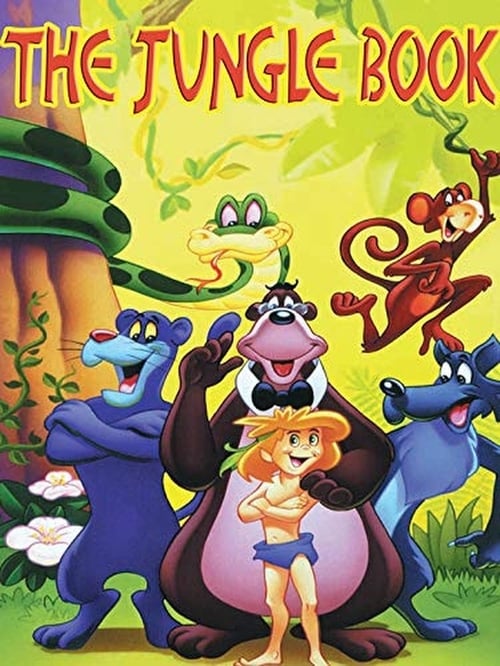
What is the significance of Mowgli's relationship with Baloo in the 1990 Jungle Book?
How does Shere Khan's character influence the plot in the 1990 Jungle Book?
What role does Bagheera play in Mowgli's life in the 1990 Jungle Book?
What challenges does Mowgli face in the jungle in the 1990 Jungle Book?
How does the theme of belonging manifest in Mowgli's interactions with other characters in the 1990 Jungle Book?
Should I watch it?
Ask Your Own Question

What is the plot?
Sorry, we aren't able to watch and write up a full detailed plot yet. Check back in a few days.


What is the ending?
In the ending of the 1990 film "Jungle Book," Mowgli confronts the tiger Shere Khan, who has been a persistent threat throughout the story. Mowgli ultimately uses his intelligence and bravery to outsmart Shere Khan, leading to the tiger's defeat. Mowgli then decides to leave the jungle and return to the human village, where he can live among his own kind. The film concludes with Mowgli embracing his new life, while the jungle animals, including Baloo and Bagheera, bid him farewell.
As the climax of the film approaches, the tension builds in the jungle. Mowgli, having grown from a boy raised by wolves into a courageous young man, faces the looming threat of Shere Khan. The scene is set with a dark, foreboding atmosphere as the jungle seems to hold its breath. Mowgli, aware of the danger that Shere Khan poses, gathers his courage. He is determined to confront the tiger, not just for himself but for the safety of his friends in the jungle.
In a pivotal moment, Mowgli finds himself face to face with Shere Khan. The tiger, with his menacing presence and piercing eyes, embodies the primal fear that has haunted Mowgli throughout his journey. Mowgli's heart races, but he stands firm, recalling the lessons he has learned from Baloo and Bagheera about bravery and cunning. The confrontation is intense, filled with growls and roars, as Mowgli uses his wits to outmaneuver Shere Khan.
In a dramatic turn, Mowgli manages to trick Shere Khan into a vulnerable position. He uses fire, a symbol of human ingenuity and power, to drive the tiger away. The flames flicker and dance, casting shadows that heighten the tension of the moment. Shere Khan, realizing he has been outsmarted, retreats in fear, marking a significant victory for Mowgli. This moment not only signifies Mowgli's growth but also highlights the theme of overcoming fear through intelligence and courage.
With Shere Khan defeated, Mowgli stands tall, a mixture of relief and triumph washing over him. However, the victory is bittersweet. Mowgli understands that he can no longer remain in the jungle, as he is now a part of two worlds--the animal kingdom and the human world. The decision weighs heavily on him, but he knows it is time to embrace his human heritage.
As Mowgli prepares to leave, Baloo and Bagheera come to bid him farewell. Baloo, with his laid-back demeanor, tries to mask his sadness with humor, but his eyes reveal the depth of his affection for Mowgli. Bagheera, the wise panther, expresses his pride in Mowgli's bravery and growth. The emotional farewell is poignant, filled with hugs and promises to remember each other. Mowgli's heart aches as he leaves behind the friends who have become his family.
The final scenes depict Mowgli walking towards the human village, a new chapter in his life beginning. The jungle, once his home, fades into the background, but the memories of his adventures and friendships linger. As he approaches the village, Mowgli's expression shifts from uncertainty to hope, symbolizing his acceptance of his identity and the journey ahead.
In the end, Mowgli finds his place among humans, while Baloo and Bagheera return to the jungle, their bond with Mowgli forever etched in their hearts. The film closes on a note of new beginnings, emphasizing the importance of friendship, courage, and the acceptance of one's identity.
Is there a post-credit scene?
The 1990 film "Jungle Book" does not have a post-credit scene. The movie concludes without any additional scenes or content after the credits roll. The story wraps up with Mowgli's journey and his decision to embrace his human heritage while still cherishing his experiences in the jungle. The film focuses on the themes of belonging and identity, culminating in Mowgli's emotional farewell to his animal friends as he steps into the human world.
What is the significance of Mowgli's relationship with Baloo in the 1990 Jungle Book?
In the 1990 adaptation of Jungle Book, Mowgli's relationship with Baloo is central to his development and understanding of the jungle. Baloo, the carefree bear, serves as a mentor and protector to Mowgli, teaching him the ways of the jungle and the importance of friendship. Their bond is characterized by warmth and humor, with Baloo often providing comic relief while also imparting wisdom. Mowgli's emotional state shifts from confusion and fear to a sense of belonging and joy as he learns to embrace his identity in the jungle through Baloo's guidance.
How does Shere Khan's character influence the plot in the 1990 Jungle Book?
Shere Khan, the menacing tiger, serves as the primary antagonist in the 1990 Jungle Book. His deep-seated hatred for humans drives the plot forward, creating tension and conflict. Shere Khan's presence looms over Mowgli, instilling fear and urgency in the young boy's journey. His motivations are rooted in a desire for power and control over the jungle, and he sees Mowgli as a threat to his dominance. The emotional stakes rise as Mowgli must confront Shere Khan, leading to a climactic showdown that tests his courage and resolve.
What role does Bagheera play in Mowgli's life in the 1990 Jungle Book?
In the 1990 Jungle Book, Bagheera, the black panther, plays a crucial role as Mowgli's protector and guide. He is the voice of reason, often urging Mowgli to return to the human village for his safety. Bagheera's internal conflict is evident as he grapples with his protective instincts and the harsh realities of the jungle. His relationship with Mowgli is complex; he cares deeply for the boy but also understands the dangers posed by Shere Khan. Bagheera's emotional state fluctuates between concern and determination, ultimately leading him to support Mowgli in his quest for identity.
What challenges does Mowgli face in the jungle in the 1990 Jungle Book?
Throughout the 1990 Jungle Book, Mowgli faces numerous challenges that test his resilience and adaptability. From evading the predatory Shere Khan to navigating the complexities of jungle life, Mowgli's journey is fraught with danger. He encounters various animals, each presenting unique challenges, such as the mischievous monkeys who kidnap him, forcing him to confront his fears and assert his independence. Mowgli's emotional journey is marked by moments of vulnerability, courage, and growth as he learns to trust his instincts and embrace his place in the jungle.
How does the theme of belonging manifest in Mowgli's interactions with other characters in the 1990 Jungle Book?
In the 1990 Jungle Book, the theme of belonging is intricately woven into Mowgli's interactions with characters like Baloo, Bagheera, and even Shere Khan. Mowgli's initial sense of isolation as a human raised by wolves highlights his struggle for identity. His bond with Baloo offers him a sense of family and acceptance, while Bagheera represents the protective figure urging him to find his rightful place among humans. Conversely, Shere Khan embodies the threat to Mowgli's belonging, challenging him to confront his fears. Mowgli's emotional journey reflects his quest for acceptance, ultimately leading him to reconcile his dual identity as both man and jungle dweller.
Is this family friendly?
The 1990 film "Jungle Book" is generally considered family-friendly, but it does contain some scenes that may be unsettling for younger viewers or sensitive individuals. Here are a few aspects to be aware of:
-
Dangerous Encounters: There are moments where Mowgli faces threats from wild animals, including confrontations with predators that may evoke fear or anxiety.
-
Violence: Some scenes depict violence, such as fights between animals, which could be intense for children. The portrayal of these conflicts may be more graphic than in other adaptations.
-
Emotional Turmoil: Mowgli experiences feelings of abandonment and fear as he navigates the jungle alone, which may resonate deeply with sensitive viewers.
-
Dark Themes: The film touches on themes of survival and the struggle for identity, which may be heavy for younger audiences to fully grasp.
-
Menacing Characters: Certain characters, particularly the antagonist, may come across as frightening due to their aggressive behavior and threatening demeanor.
While the film has its adventurous and whimsical moments, these elements could potentially be distressing for some children or sensitive viewers.