









Popular
What are the main motivations of the Serbian soldiers during the Battle of Kolubara?
How does the character of General Stepa Stepanović evolve throughout the film?
What role does the landscape play in the Battle of Kolubara?
How do the personal relationships among the soldiers affect their performance in battle?
What is the significance of the communication between the Serbian command and the front-line soldiers?
Should I watch it?
Ask Your Own Question

What is the plot?
Sorry, we aren't able to watch and write up a full detailed plot yet. Check back in a few days.





What is the ending?
In the ending of "The Battle of Kolubara," the Serbian forces manage to achieve a significant victory against the Austro-Hungarian army. The film concludes with a sense of national pride and resilience, showcasing the sacrifices made by the soldiers and the impact of the battle on their families and the nation.
As the final scenes unfold, the camera captures the aftermath of the battle. The Serbian soldiers, weary yet triumphant, gather to celebrate their hard-fought victory. Among them is the character of Captain Stevan, who reflects on the cost of the battle, haunted by the loss of comrades but filled with a sense of duty fulfilled. The film closes with a poignant reminder of the sacrifices made for freedom and the enduring spirit of the Serbian people.
Now, let's delve into the ending in a more detailed, chronological narrative.
The final act of "The Battle of Kolubara" begins with the Serbian forces regrouping after a series of intense confrontations with the Austro-Hungarian army. The air is thick with tension as the soldiers, exhausted and battered, prepare for what they know will be a decisive moment in the conflict. The camera pans over the battlefield, littered with remnants of war--discarded weapons, the fallen, and the weary faces of the survivors.
As dawn breaks, the Serbian commanders gather to discuss their strategy. Captain Stevan, a central figure throughout the film, stands resolute, his face etched with determination and sorrow. He recalls the faces of his fallen comrades, their sacrifices weighing heavily on his heart. The audience can feel his internal struggle; he is driven by a fierce loyalty to his country and a deep sense of loss.
The battle resumes with renewed vigor. The sound of gunfire and the cries of soldiers fill the air as the Serbian troops charge forward, their spirits bolstered by the hope of victory. The cinematography captures the chaos of war--the smoke rising from the battlefield, the frantic movements of soldiers, and the stark contrast of the green landscape against the bloodshed. Each frame is filled with raw emotion, showcasing the bravery and desperation of the men fighting for their homeland.
In a pivotal moment, Captain Stevan leads a charge that turns the tide of the battle. His bravery inspires those around him, and the camera focuses on his face, a mix of fear and resolve. As they push back the Austro-Hungarian forces, the tide of the battle shifts, and the Serbian soldiers begin to gain ground. The sound of victory cheers begins to rise, but it is tempered by the somber reality of the losses they have endured.
As the battle concludes, the scene shifts to the aftermath. The Serbian soldiers, though victorious, are visibly shaken. They gather in small groups, sharing stories of their fallen friends, their faces a mixture of pride and grief. Captain Stevan stands apart for a moment, reflecting on the cost of their victory. He looks out over the battlefield, where the bodies of both friends and foes lie, a stark reminder of the brutality of war.
The film then transitions to the families of the soldiers, who await news of their loved ones. The emotional weight of the battle is felt in their anxious expressions, and when news of the victory reaches them, it is met with mixed emotions--joy for the triumph, but sorrow for the lives lost. The camera captures the tears of mothers and wives, their faces a canvas of hope and despair.
In the final moments, the film emphasizes the resilience of the Serbian spirit. Captain Stevan, now back among his comrades, raises a toast to those who fought and fell. The soldiers join in, their voices united in a song of remembrance and hope. The screen fades to black, leaving the audience with a lingering sense of the sacrifices made and the enduring legacy of the battle.
As the credits roll, the fates of the main characters are subtly hinted at. Captain Stevan, though scarred by the war, emerges as a symbol of leadership and courage. His journey reflects the broader narrative of the Serbian people--one of struggle, sacrifice, and an unyielding spirit in the face of adversity. The film closes with a powerful message about the cost of freedom and the bonds forged in the crucible of war, leaving viewers with a profound sense of the impact of the Battle of Kolubara on both the individuals involved and the nation as a whole.
Is there a post-credit scene?
The movie "The Battle of Kolubara," produced in 1990, does not contain a post-credit scene. The film concludes its narrative without any additional scenes or content after the credits roll. The focus remains on the historical events and the emotional weight of the characters' experiences during the battle, leaving the audience with a sense of closure regarding the story presented.
What are the main motivations of the Serbian soldiers during the Battle of Kolubara?
The Serbian soldiers are driven by a deep sense of patriotism and duty to defend their homeland against the Austro-Hungarian forces. Their motivations are fueled by the desire to protect their families and preserve their way of life, as well as the hope of achieving national sovereignty. The emotional weight of their sacrifices is palpable, as they grapple with fear, camaraderie, and the harsh realities of war.
How does the character of General Stepa Stepanović evolve throughout the film?
General Stepa Stepanović begins as a determined and strategic leader, embodying the spirit of resilience. As the battle progresses, he faces immense pressure and the weight of responsibility for his men. His character evolves from a confident commander to one who experiences doubt and despair, particularly as he witnesses the toll of war on his soldiers and the loss of life. This internal struggle highlights his commitment to his country and the burden of leadership.
What role does the landscape play in the Battle of Kolubara?
The landscape of Kolubara is depicted as both a beautiful and treacherous terrain, with its rolling hills and dense forests providing both cover and challenges for the soldiers. The changing weather conditions, from harsh winter cold to muddy conditions, significantly impact the strategies employed by both sides. The physical environment serves as a character in itself, reflecting the chaos of battle and the emotional turmoil of the soldiers as they navigate through it.
How do the personal relationships among the soldiers affect their performance in battle?
The personal relationships among the soldiers are portrayed as a source of strength and motivation. Bonds of friendship and loyalty are formed, which help them cope with the horrors of war. These relationships are tested under fire, revealing moments of bravery and sacrifice, as well as instances of fear and doubt. The emotional connections they share drive them to fight harder for one another, illustrating the human side of warfare.
What is the significance of the communication between the Serbian command and the front-line soldiers?
The communication between the Serbian command and the front-line soldiers is crucial for the coordination of strategies and morale. Miscommunication leads to confusion and chaos, highlighting the challenges of warfare. The film emphasizes the importance of clear communication in maintaining the soldiers' spirits and ensuring effective responses to the enemy's movements. This dynamic showcases the tension between the command's decisions and the realities faced by the soldiers on the ground.
Is this family friendly?
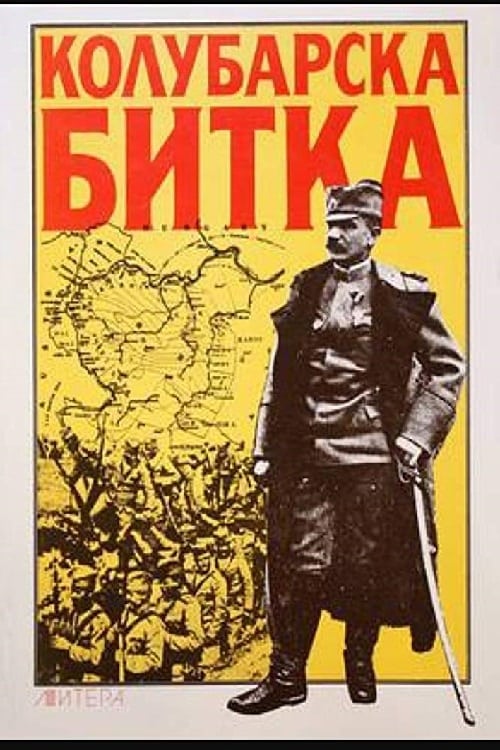
"The Battle of Kolubara," produced in 1990, is a war film that depicts the events surrounding the Battle of Kolubara during World War I. While the film is a historical representation, it contains several elements that may not be suitable for children or sensitive viewers.
-
Violence and Warfare: The film portrays intense battle scenes, including gunfire, explosions, and the chaos of war. These scenes can be graphic and may be distressing for younger audiences.
-
Injuries and Death: There are depictions of wounded soldiers and the aftermath of battles, which can be emotionally heavy and upsetting.
-
Emotional Turmoil: Characters experience significant emotional distress, including fear, loss, and despair, which may be difficult for children to process.
-
Themes of Sacrifice and Loss: The film explores themes of sacrifice and the harsh realities of war, which may be too complex or heavy for younger viewers.
-
Historical Context: The film's setting in a war-torn environment may include discussions or depictions of nationalism, conflict, and the impact of war on families and communities.
Overall, while the film serves as a historical narrative, its content may not be appropriate for all audiences, particularly children or those sensitive to themes of violence and loss.








