








Popular
What role does Captain Alfred Dreyfus play in the story?
How does Colonel Picquart's character evolve throughout the film?
What evidence does Picquart discover that challenges Dreyfus's conviction?
How does the military establishment react to Picquart's findings?
What impact does Dreyfus's trial have on French society depicted in the film?
Should I watch it?
Ask Your Own Question

What is the plot?
Sorry, we aren't able to watch and write up a full detailed plot yet. Check back in a few days.
More Movies Like This
Browse All Movies →






What is the ending?
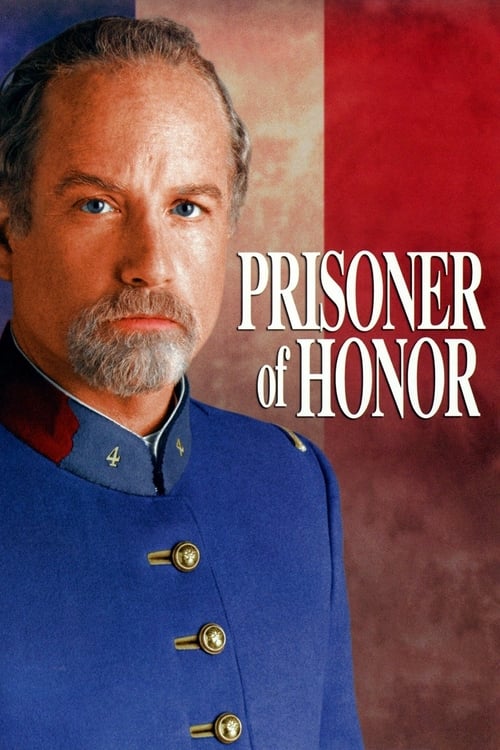
In the ending of "Prisoner of Honor," Colonel Georges Picquart, after enduring significant personal and professional turmoil, ultimately exposes the truth about the wrongful conviction of Captain Alfred Dreyfus. He confronts the military establishment, leading to a public acknowledgment of the miscarriage of justice. Dreyfus is exonerated, but the victory comes at a personal cost for Picquart, who faces isolation and the loss of his career. The film concludes with a sense of bittersweet triumph, highlighting the themes of honor, truth, and the struggle against institutional corruption.
As the film approaches its climax, Colonel Georges Picquart stands resolute in his determination to reveal the truth about Captain Alfred Dreyfus. The scene opens with Picquart in a dimly lit office, surrounded by stacks of documents and evidence he has painstakingly gathered. His face is etched with worry and determination, reflecting the weight of the truth he carries. He knows that exposing the conspiracy within the military will not only jeopardize his career but also put him at odds with powerful figures who have a vested interest in maintaining the status quo.
In a pivotal scene, Picquart confronts his superiors, presenting the evidence that Dreyfus was wrongfully convicted of treason. The tension in the room is palpable as he lays out the facts, his voice steady but filled with urgency. The generals, however, are dismissive, their expressions a mix of anger and disbelief. They refuse to acknowledge the possibility that they could have erred, clinging to their pride and the institution's reputation. Picquart's frustration mounts as he realizes that the truth is not enough to sway them; their loyalty to the military's honor outweighs their commitment to justice.
The narrative shifts to Dreyfus, who is still imprisoned on Devil's Island, a stark contrast to the lush landscapes of France. His face is gaunt, and his eyes reflect a deep sense of despair mixed with hope. He receives news of Picquart's efforts, and a flicker of determination ignites within him. The audience can feel the emotional weight of his isolation, yet he clings to the belief that justice will prevail.
As the story unfolds, Picquart's relentless pursuit of the truth leads him to gather more allies, including journalists and politicians who are willing to listen. In a powerful scene, he meets with a journalist who is intrigued by the scandal. The two men discuss the implications of the Dreyfus Affair, and the journalist's eyes widen with the realization of the story's potential impact. This moment signifies a turning point, as the media begins to take an interest in the case, amplifying Picquart's voice.
The climax reaches its peak when Picquart finally presents his findings to a public audience. The scene is charged with emotion as he stands before a crowd, passionately advocating for Dreyfus's exoneration. The audience is captivated, and murmurs of disbelief ripple through the crowd as he reveals the extent of the military's cover-up. The tension is palpable, and the stakes have never been higher.
In the aftermath of Picquart's revelations, the military is forced to confront the truth. Dreyfus is brought back to France for a retrial, and the atmosphere is electric with anticipation. The courtroom is filled with spectators, journalists, and military officials, all eager to witness the proceedings. As Dreyfus stands before the judges, the weight of his past and the hope for his future collide. The audience can feel the tension in the air as the verdict is announced: Dreyfus is exonerated. The relief and joy wash over him, but it is tempered by the knowledge of the years lost and the suffering endured.
However, the victory is bittersweet for Picquart. As he watches Dreyfus reclaim his honor, he is acutely aware of the personal sacrifices he has made. His career is in ruins, and he faces ostracism from his peers. The final scenes depict him walking away from the military establishment, a solitary figure against the backdrop of a changing society. His expression is a mix of pride and sorrow, embodying the film's themes of honor and the cost of truth.
In the closing moments, the film emphasizes the enduring impact of the Dreyfus Affair on French society. The camera lingers on Dreyfus, now a free man, as he embraces his family, a poignant reminder of the personal toll of injustice. Picquart, though isolated, stands as a symbol of integrity and courage, having chosen honor over conformity. The film concludes with a sense of hope, suggesting that the fight for justice, while fraught with challenges, is ultimately worth the struggle.
Is there a post-credit scene?
The movie "Prisoner of Honor," produced in 1991, does not have a post-credit scene. The film concludes its narrative without any additional scenes or content after the credits roll. The story focuses on the real-life events surrounding the Dreyfus Affair, highlighting themes of justice, honor, and the struggle against anti-Semitism, culminating in a powerful resolution that leaves the audience reflecting on the moral implications of the characters' actions.
What role does Captain Alfred Dreyfus play in the story?
Captain Alfred Dreyfus is a Jewish officer in the French Army who is wrongfully accused of treason. His character embodies the themes of injustice and anti-Semitism, as he faces a military court that is biased against him. Dreyfus's internal struggle is palpable as he grapples with betrayal and the fight to clear his name, showcasing his resilience and determination.
How does Colonel Picquart's character evolve throughout the film?
Colonel Georges Picquart starts as a loyal officer who initially supports the military's decision to convict Dreyfus. However, as he uncovers evidence that points to Dreyfus's innocence and the real traitor, he becomes increasingly conflicted. His moral awakening leads him to risk his career and safety to expose the truth, highlighting his transformation from a conformist to a principled whistleblower.
What evidence does Picquart discover that challenges Dreyfus's conviction?
Picquart discovers a document known as the 'bordereau,' which contains information that implicates another officer, Major Esterhazy, as the true traitor. This evidence is crucial as it not only undermines the case against Dreyfus but also reveals the extent of the military's cover-up and the prejudice that led to Dreyfus's wrongful conviction.
How does the military establishment react to Picquart's findings?
The military establishment reacts with hostility and defensiveness to Picquart's findings. They attempt to discredit him and suppress the evidence he presents, fearing that acknowledging Dreyfus's innocence would expose their own corruption and prejudice. This reaction illustrates the deep-seated institutional bias and the lengths to which the military will go to protect its reputation.
What impact does Dreyfus's trial have on French society depicted in the film?
Dreyfus's trial becomes a national scandal that polarizes French society, exposing deep divisions related to anti-Semitism and the integrity of the military. The public's reaction ranges from fervent support for Dreyfus to vehement opposition, reflecting the broader societal issues of the time. The trial ignites debates about justice, truth, and the role of the military in politics, making it a pivotal moment in French history.
Is this family friendly?
"Prisoner of Honor," produced in 1991, is a drama that deals with serious themes and historical events, which may not be suitable for younger audiences or sensitive viewers. Here are some potentially objectionable or upsetting aspects:
-
Themes of Anti-Semitism: The film explores the wrongful conviction of Captain Alfred Dreyfus, a Jewish officer in the French army, highlighting the pervasive anti-Semitism of the time. This may be distressing for some viewers.
-
Military Courtroom Drama: The film features intense courtroom scenes that depict the struggles of Dreyfus and the injustices he faces, which can be emotionally charged and may evoke feelings of anger or sadness.
-
Emotional Turmoil: Characters experience significant emotional distress, including betrayal, isolation, and despair, which may be heavy for younger viewers to process.
-
Historical Context of Injustice: The film portrays the harsh realities of a miscarriage of justice, including the impact on Dreyfus's family and his mental state, which can be upsetting.
-
Violence and Threats: There are scenes that may include threats of violence or aggressive confrontations, reflecting the tension of the era.
Overall, while the film is a poignant historical drama, its themes and emotional weight may not be appropriate for children or those sensitive to such topics.