






















Popular
What motivates Maximilian Kolbe to help others in the concentration camp?
How does the film depict the relationship between Maximilian Kolbe and the other prisoners?
What are the key moments that showcase Kolbe's bravery in the camp?
How does the film portray the moral dilemmas faced by the characters in the camp?
What role does faith play in Maximilian Kolbe's actions throughout the film?
Should I watch it?
Ask Your Own Question

What is the plot?
Sorry, we aren't able to watch and write up a full detailed plot yet. Check back in a few days.


What is the ending?
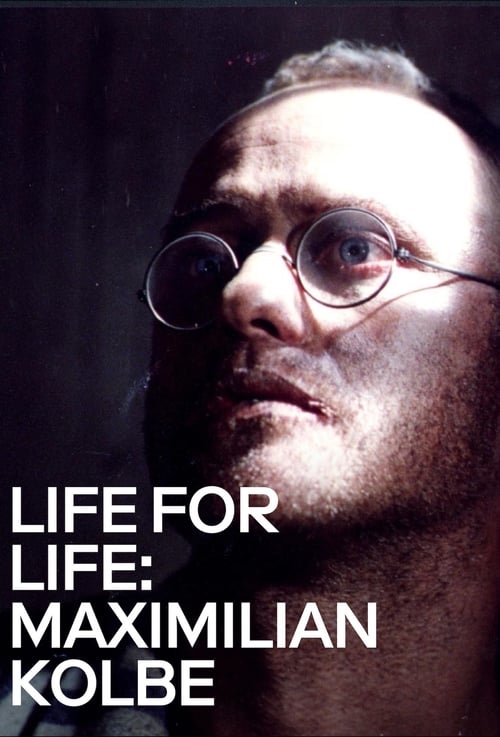
In the ending of "Life for Life: Maximilian Kolbe," Maximilian Kolbe sacrifices his life for a fellow prisoner in Auschwitz, ultimately dying in a starvation cell. His selfless act of love and faith leaves a profound impact on those around him, showcasing the power of compassion even in the darkest of times.
As the film approaches its conclusion, the atmosphere in the Auschwitz concentration camp grows increasingly oppressive. The camera captures the bleakness of the environment, with gray skies and the stark, harsh lines of the camp's architecture. The prisoners are shown in a state of despair, their faces gaunt and hollow, reflecting the toll of their suffering.
Scene by scene, the narrative unfolds:
The first scene of the ending begins with Maximilian Kolbe, portrayed with a serene yet determined expression, as he witnesses the brutal treatment of his fellow inmates. The guards are merciless, and the tension in the air is palpable. Kolbe's internal struggle is evident; he is torn between the instinct for self-preservation and his deep-seated belief in the sanctity of life. His faith drives him to act, and he begins to contemplate the possibility of sacrificing himself for another.
In the next scene, a fellow prisoner, Franciszek Gajowniczek, is selected by the guards to face execution as a punishment for an escape attempt. Gajowniczek's despair is heart-wrenching; he pleads for his life, crying out for his family. Kolbe, witnessing this moment of desperation, steps forward with unwavering resolve. He offers to take Gajowniczek's place, stating, "I am a Catholic priest. I want to die in his place." The guards, initially taken aback, eventually agree, and Kolbe's selfless act is met with a mix of shock and admiration from the other prisoners.
As Kolbe is taken away to the starvation cell, the camera lingers on Gajowniczek's face, a mixture of gratitude and guilt washing over him. The scene shifts to the dark, cramped confines of the cell where Kolbe and the other condemned men are held. The atmosphere is suffocating, and the sounds of despair echo through the walls. Kolbe remains a beacon of hope, encouraging the others to pray and maintain their faith. His calm demeanor contrasts sharply with the fear and hopelessness surrounding him.
Days pass, and the physical toll of starvation begins to take its effect on Kolbe. The cinematography captures his frail body, yet his spirit remains unbroken. He continues to lead the men in prayer, his voice steady and reassuring. The emotional weight of the scene is palpable as the camera focuses on the faces of the other prisoners, who find solace in Kolbe's unwavering faith.
In the final moments, Kolbe's health deteriorates further. The guards, frustrated by the prolonged suffering of the prisoners, decide to end Kolbe's life. In a chilling scene, they administer a lethal injection, and Kolbe's face reflects a profound peace as he accepts his fate. The camera captures his final moments, where he raises his eyes to the heavens, embodying a sense of surrender and love.
The film concludes with a poignant scene showing Gajowniczek, now free, reflecting on Kolbe's sacrifice. He visits Kolbe's memorial, tears streaming down his face as he honors the man who gave his life for him. The final shot lingers on Kolbe's image, a symbol of selflessness and faith, leaving the audience with a powerful message about the enduring strength of love in the face of unimaginable darkness.
In summary, Maximilian Kolbe's fate is one of martyrdom, as he willingly sacrifices his life for another, embodying the film's central themes of love, faith, and the human spirit's resilience. Gajowniczek, on the other hand, is left to carry the weight of Kolbe's sacrifice, forever changed by the experience. The ending serves as a testament to the profound impact one individual can have on the lives of others, even in the direst of circumstances.
Is there a post-credit scene?
The movie "Life for Life: Maximilian Kolbe," produced in 1991, does not contain a post-credit scene. The film concludes with a poignant ending that encapsulates the life and sacrifice of Maximilian Kolbe, focusing on his unwavering faith and selflessness in the face of adversity. After the main narrative, the credits roll without any additional scenes or content following them. The film leaves viewers with a sense of reflection on Kolbe's legacy and the impact of his actions during a dark period in history.
What motivates Maximilian Kolbe to help others in the concentration camp?
Maximilian Kolbe, portrayed as a deeply compassionate and selfless individual, is driven by his strong faith and belief in the sanctity of life. His internal struggle is evident as he witnesses the suffering of his fellow prisoners, which ignites a fierce determination to alleviate their pain. Kolbe's actions are fueled by a profound sense of duty to God and humanity, leading him to offer his life in place of another man, Franciszek Gajowniczek, who is a husband and father.
How does the film depict the relationship between Maximilian Kolbe and the other prisoners?
The film illustrates a complex and evolving relationship between Maximilian Kolbe and the other prisoners. Initially, there is fear and despair among the inmates, but Kolbe's unwavering faith and acts of kindness gradually inspire hope and solidarity. He becomes a source of strength, offering spiritual guidance and comfort, which fosters a sense of community among the prisoners. The emotional bonds formed in the face of adversity highlight the power of compassion and shared humanity.
What are the key moments that showcase Kolbe's bravery in the camp?
Key moments that showcase Kolbe's bravery include his decision to step forward and take the place of Franciszek Gajowniczek when the guards select him for execution. This act of self-sacrifice is pivotal, as it not only saves Gajowniczek's life but also serves as a powerful testament to Kolbe's faith. Additionally, Kolbe's refusal to succumb to despair, even in the face of brutal treatment and starvation, exemplifies his courage. His ability to maintain hope and encourage others, even in the darkest moments, further cements his role as a beacon of bravery.
How does the film portray the moral dilemmas faced by the characters in the camp?
The film poignantly portrays the moral dilemmas faced by the characters, particularly through the lens of survival versus sacrifice. Characters grapple with the instinct to survive at any cost, contrasted with Kolbe's unwavering commitment to selflessness. The tension is palpable as prisoners must decide whether to look out for themselves or to support one another, often leading to heart-wrenching choices. Kolbe's example challenges others to rise above their fears, creating a moral landscape where acts of kindness become acts of rebellion against the dehumanizing conditions of the camp.
What role does faith play in Maximilian Kolbe's actions throughout the film?
Faith is a central theme in Kolbe's actions throughout the film, serving as both his motivation and his source of strength. His unwavering belief in God and the teachings of Christ guide his decisions, particularly in moments of crisis. Kolbe's prayers and spiritual reflections are depicted visually, often contrasting the bleakness of the camp with the light of his faith. This internal conviction empowers him to perform extraordinary acts of love and sacrifice, illustrating how his faith not only sustains him but also inspires those around him to find hope amidst despair.
Is this family friendly?
"Life for Life: Maximilian Kolbe" is a film that deals with heavy themes and historical events, particularly the Holocaust and the moral dilemmas faced during that time. While it is a story of faith, sacrifice, and heroism, there are several aspects that may be considered objectionable or upsetting for children or sensitive viewers:
-
Concentration Camp Scenes: The film depicts the harsh realities of life in a concentration camp, including the suffering of prisoners, which may be distressing.
-
Violence and Brutality: There are scenes that portray violence, including the treatment of prisoners by guards, which can be graphic and unsettling.
-
Death and Sacrifice: The theme of martyrdom is central to the story, and there are moments that involve death and the concept of sacrificing oneself for others, which may be emotionally challenging.
-
Emotional Turmoil: Characters experience deep emotional pain, fear, and despair, which could be intense for younger viewers to process.
-
Religious Themes: The film explores complex religious themes, including faith under persecution, which may require a level of maturity to fully understand.
Overall, while the film carries a powerful message of love and sacrifice, its portrayal of historical atrocities and emotional struggles may not be suitable for all audiences, particularly younger children or those sensitive to such content.








