









Popular
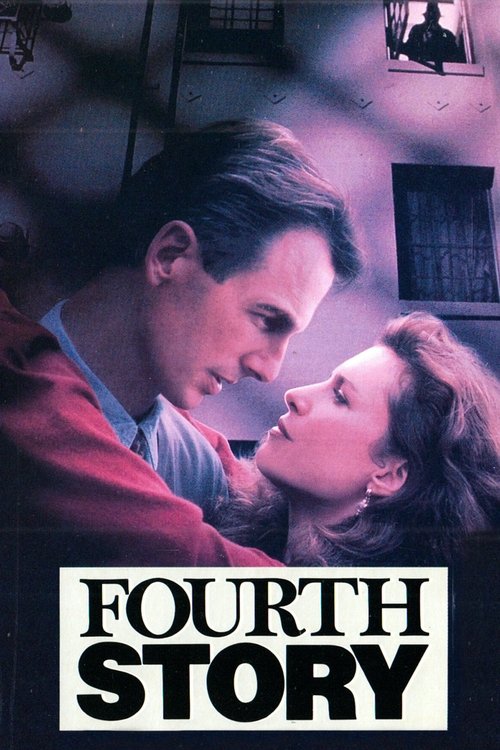
What is the significance of the character named 'The Writer' in Fourth Story?
How does the character of 'The Woman' influence the plot of Fourth Story?
What role does the setting play in the development of the story in Fourth Story?
How does the theme of storytelling manifest through the character interactions in Fourth Story?
What internal conflicts does The Writer face throughout Fourth Story?
Should I watch it?
Ask Your Own Question

What is the plot?
Sorry, we aren't able to watch and write up a full detailed plot yet. Check back in a few days.
More Movies Like This
Browse All Movies →

What is the ending?
In the ending of "Fourth Story," the protagonist, a writer named Sam, confronts the reality of his life and relationships. He faces the consequences of his choices, particularly regarding his love for a woman named Lisa. The film concludes with a sense of ambiguity, leaving Sam to reflect on his journey and the stories he has created.
As the film approaches its conclusion, we find Sam in a dimly lit café, the atmosphere heavy with unspoken words and unresolved emotions. He sits alone, scribbling notes in his notebook, a habit that has defined his character throughout the film. The café is filled with the soft murmur of conversations, but Sam is lost in his thoughts, wrestling with the weight of his decisions.
In a flashback, we see moments from Sam's past with Lisa, filled with laughter and warmth, juxtaposed against the current tension in their relationship. The memories are vivid, showcasing their deep connection but also hinting at the misunderstandings that have driven them apart. Sam's internal struggle is palpable; he longs for the simplicity of those earlier days but is acutely aware of the complexities that now define their bond.
As the scene shifts back to the present, Lisa enters the café. Her presence is electric, and the air thickens with anticipation. Sam's heart races, a mix of hope and fear coursing through him. They exchange glances, and for a moment, the world around them fades away. However, the tension is still present, and the weight of their unresolved issues looms large.
Lisa approaches Sam's table, her expression a blend of determination and vulnerability. She sits down, and the conversation begins with cautious words, each sentence laden with the history they share. Sam's voice trembles as he speaks, revealing his fears and regrets. He admits to the mistakes he has made, the times he has let her down, and the stories he has told himself to justify his actions.
Lisa listens intently, her eyes reflecting a mixture of pain and understanding. She shares her own feelings, expressing the hurt caused by Sam's choices and the distance that has grown between them. The dialogue is raw and honest, a cathartic release of emotions that have been bottled up for far too long.
As they talk, the café around them fades into the background, and the focus narrows to their connection. The camera captures the subtle shifts in their expressions, the way their hands inch closer on the table, a silent testament to their desire for reconciliation. The tension begins to dissolve, replaced by a tentative hope.
In the final moments of their conversation, Sam reaches out, taking Lisa's hand in his. The gesture is simple yet profound, symbolizing his commitment to change and his willingness to fight for their relationship. Lisa's eyes soften, and a small smile breaks through her earlier apprehension. They share a moment of silence, a mutual understanding passing between them.
The film closes with a lingering shot of Sam and Lisa, their hands intertwined, as the camera slowly pulls away. The café fades into a blur, leaving the audience with a sense of uncertainty about what the future holds for them. The screen fades to black, and the credits roll, leaving viewers to ponder the complexities of love, storytelling, and the choices that shape our lives.
In this ending, Sam and Lisa's fate is left open-ended, reflecting the film's exploration of relationships and the narratives we create around them. Their journey is not neatly resolved, but rather, it emphasizes the ongoing nature of love and the importance of communication and understanding in overcoming obstacles.
Is there a post-credit scene?
The movie "Fourth Story," produced in 1991, does not feature a post-credit scene. The film concludes its narrative without any additional scenes or content after the credits roll. The story wraps up with the resolution of its central themes and character arcs, leaving the audience with a sense of closure.
What is the significance of the character named 'The Writer' in Fourth Story?
The Writer serves as a central figure in the narrative, representing the creative process and the struggle of storytelling. His interactions with other characters reveal his internal conflicts and desires, particularly his longing for connection and understanding. As he navigates through various stories, he grapples with his own identity and the impact of his narratives on those around him.
How does the character of 'The Woman' influence the plot of Fourth Story?
The Woman is pivotal in shaping the emotional landscape of the film. Her relationship with The Writer is fraught with tension and longing, as she embodies both inspiration and unattainability. Her presence drives The Writer to confront his fears and desires, ultimately leading to moments of revelation and self-discovery.
What role does the setting play in the development of the story in Fourth Story?
The setting in Fourth Story is integral to the narrative, as it shifts between various locations that reflect the emotional states of the characters. Each environment serves as a backdrop for key interactions, enhancing the themes of isolation and connection. The contrasting settings highlight the internal struggles of The Writer and his quest for meaning.
How does the theme of storytelling manifest through the character interactions in Fourth Story?
Storytelling is a central theme in Fourth Story, as characters often share their own narratives, revealing their vulnerabilities and desires. The dialogues between The Writer and other characters serve as a meta-commentary on the act of creation, showcasing how personal experiences shape the stories we tell and how those stories, in turn, affect our relationships.
What internal conflicts does The Writer face throughout Fourth Story?
The Writer grapples with profound internal conflicts, including his fear of failure, the pressure of creativity, and his desire for authentic connection. These struggles manifest in his interactions with The Woman and other characters, as he seeks validation for his work while simultaneously confronting the loneliness that often accompanies the artistic journey.
Is this family friendly?
"Fourth Story," produced in 1991, is a film that delves into complex themes and relationships, which may not be suitable for younger audiences or sensitive viewers. Here are some potentially objectionable or upsetting aspects:
-
Mature Themes: The film explores adult relationships, including infidelity and emotional turmoil, which may be difficult for children to understand.
-
Violence: There are scenes that depict emotional and psychological conflict, which may include intense confrontations that could be distressing.
-
Substance Use: The film may contain references to alcohol or drug use, which could be inappropriate for younger viewers.
-
Emotional Distress: Characters experience significant emotional struggles, including heartbreak and existential crises, which could be upsetting for sensitive individuals.
-
Complex Relationships: The dynamics between characters can be complicated and may involve betrayal or manipulation, which might be confusing or troubling for children.
Overall, the film's exploration of adult themes and emotional depth suggests that it may not be family-friendly and could be better suited for mature audiences.








