












Popular
What is the significance of the toy factory in the movie?
How does the character of Leslie Zevo evolve throughout the film?
What role does the character of General Leland Zevo play in the story?
What is the relationship between Leslie and his sister, Alsatia Zevo?
How do the toys in the factory come to life, and what is their role in the story?
Should I watch it?
Ask Your Own Question

What is the plot?
Sorry, we aren't able to watch and write up a full detailed plot yet. Check back in a few days.
More Movies Like This
Browse All Movies →

What is the ending?
In the ending of the movie "Toys," the conflict between the whimsical world of toys and the militaristic ambitions of Lieutenant General Leland Zevo culminates in a battle. The protagonist, Leslie Zevo, along with his sister, Al, and their allies, confront General Zevo to stop his plans to turn toys into weapons. They succeed in thwarting his scheme, restoring the joy and innocence of toys. The film concludes with a celebration of creativity and imagination, as the characters embrace their roles in a world where toys can be joyful rather than destructive.
As the climax of "Toys" unfolds, the scene shifts to the Zevo toy factory, where the atmosphere is charged with tension. Leslie Zevo, played by Robin Williams, has been grappling with the legacy of his father, the late toy maker, and the looming threat posed by his uncle, Lieutenant General Leland Zevo, portrayed by Michael Gambon. The factory, once a vibrant playground of creativity, is now overshadowed by the General's militaristic vision.
Leslie, alongside his sister Al, portrayed by Joan Cusack, and their quirky band of toys, prepares to confront the General. The factory is filled with colorful, whimsical toys, but the mood is somber as they realize the stakes of their battle. Leslie's internal struggle is palpable; he feels the weight of his family's legacy and the responsibility to protect the innocence of childhood.
As the confrontation begins, the General reveals his plan to transform the toys into weapons of war, showcasing a chilling display of militarized toys. The scene is starkly contrasted with the playful nature of the toys that Leslie and Al cherish. Leslie's determination grows as he rallies his allies, including the eccentric toy soldiers and other whimsical characters, to stand against the General's oppressive regime.
The battle erupts in a fantastical showdown, with toys coming to life in a vibrant display of creativity and imagination. Leslie's leadership shines as he inspires his fellow toys to fight for their right to exist as symbols of joy rather than instruments of destruction. The visuals are striking, with colorful explosions of confetti and playful antics that highlight the absurdity of war.
In a pivotal moment, Leslie confronts General Zevo directly. The General, consumed by his desire for control and power, underestimates the strength of imagination and creativity. Leslie's emotional plea resonates, as he embodies the spirit of childhood wonder. The climax reaches its peak when Leslie and Al, using their ingenuity, manage to turn the tide against the General's forces.
As the dust settles, the General's plans are thwarted, and he is left defeated, realizing the futility of his ambitions. The factory, once a battleground, transforms back into a sanctuary of creativity. Leslie and Al, having embraced their roles as guardians of their father's legacy, celebrate their victory with their toy friends. The final scenes are filled with laughter and joy, as the characters come together to restore the factory to its former glory.
In the aftermath, Leslie and Al reflect on their journey. They have not only saved the factory but have also reaffirmed the importance of imagination and play in a world that often leans towards conflict. The film concludes with a sense of hope and renewal, as the characters embrace their roles in a world where toys can inspire joy rather than fear.
The fates of the main characters are clear: Leslie and Al emerge as champions of creativity, having successfully defended their father's legacy and the spirit of childhood. General Zevo, on the other hand, is left to confront the consequences of his actions, a symbol of the dangers of losing touch with the innocence and joy that toys represent. The ending encapsulates the film's central themes of imagination, creativity, and the importance of preserving the joy of childhood in the face of adversity.
Is there a post-credit scene?
The movie "Toys," produced in 1992, does not have a post-credit scene. The film concludes with a final sequence that wraps up the story, focusing on the resolution of the conflict between the characters and the restoration of the toy factory's original purpose. After the climax, the film ends on a hopeful note, emphasizing themes of imagination and playfulness, but there are no additional scenes or content after the credits roll.
What is the significance of the toy factory in the movie?
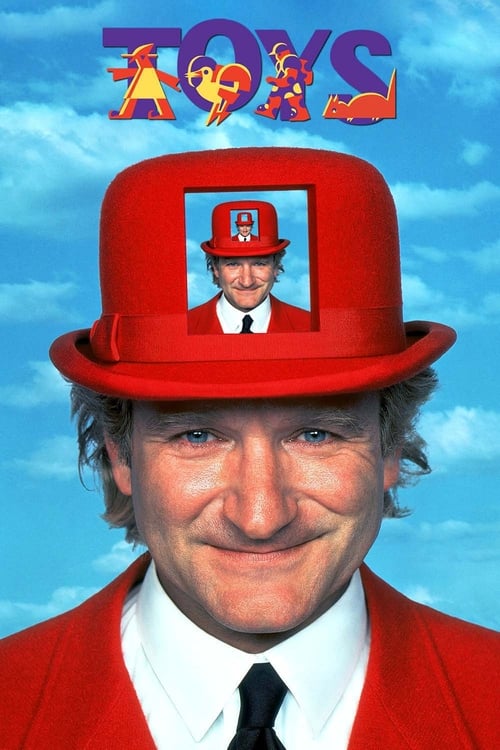
The toy factory, owned by the late father of the main characters, serves as a whimsical and colorful backdrop that contrasts sharply with the darker themes of war and militarization introduced by the antagonist, Lieutenant General Leland Zevo. It symbolizes innocence and creativity, embodying the spirit of play that the characters strive to protect.
How does the character of Leslie Zevo evolve throughout the film?
Leslie Zevo, played by Robin Williams, begins as a carefree and imaginative individual, deeply connected to the playful world of toys. As the story progresses, he faces the harsh realities of his father's death and the threat posed by General Zevo's militaristic takeover of the factory. This conflict forces Leslie to confront his responsibilities and ultimately leads him to embrace his role as a protector of creativity and innocence.
What role does the character of General Leland Zevo play in the story?
General Leland Zevo, portrayed by Michael Gambon, serves as the primary antagonist who seeks to transform the toy factory into a military production facility. His character embodies the encroachment of war into the realm of childhood, representing a stark contrast to the playful ethos of the factory. His motivations are driven by a desire for control and power, which ultimately leads to a clash with Leslie and the other characters.
What is the relationship between Leslie and his sister, Alsatia Zevo?
Leslie and Alsatia Zevo, played by Joan Cusack, share a complex sibling relationship marked by a blend of support and rivalry. Alsatia is more pragmatic and grounded, often challenging Leslie's whimsical approach to life. Their dynamic evolves as they confront the threat posed by General Zevo, ultimately leading them to unite in their efforts to reclaim the factory and preserve their father's legacy.
How do the toys in the factory come to life, and what is their role in the story?
The toys in the factory are imbued with a sense of magic and whimsy, coming to life through the imaginative spirit of Leslie and the factory's environment. They serve as both allies and symbols of innocence, helping Leslie confront the militarization of play. The toys embody the creativity and joy that Leslie fights to protect, ultimately playing a crucial role in the climax as they assist him in thwarting General Zevo's plans.
Is this family friendly?
"Toys," produced in 1992, is generally considered a family-friendly film, but it does contain some elements that may be unsettling for younger viewers or sensitive individuals. Here are a few potentially objectionable or upsetting aspects:
-
War Themes: The film features a backdrop of military conflict and the implications of war, which may be confusing or distressing for children. The contrast between the whimsical toy world and the harsh realities of war can create a jarring effect.
-
Dark Imagery: Some scenes include surreal and dark imagery, such as the transformation of toys into weapons, which can be unsettling. The visual representation of war and destruction, even in a fantastical context, may evoke feelings of fear or anxiety.
-
Character Conflict: The main antagonist, played by Robin Williams' character's uncle, embodies a militaristic and authoritarian approach to toys, which can be interpreted as threatening. His demeanor and intentions may be perceived as menacing.
-
Emotional Struggles: The characters experience internal conflicts and emotional struggles, particularly regarding themes of loss and the responsibilities of adulthood. These themes may resonate deeply and provoke thought, but they could also be heavy for younger audiences.
-
Surreal Humor: The film employs a unique style of surreal humor that may not resonate with all children, potentially leading to confusion or discomfort.
While "Toys" is visually imaginative and carries a message about the importance of play and creativity, these elements may require parental guidance for younger viewers to navigate the more complex themes and imagery.








