





Popular
How does the antagonist's character develop throughout the film?
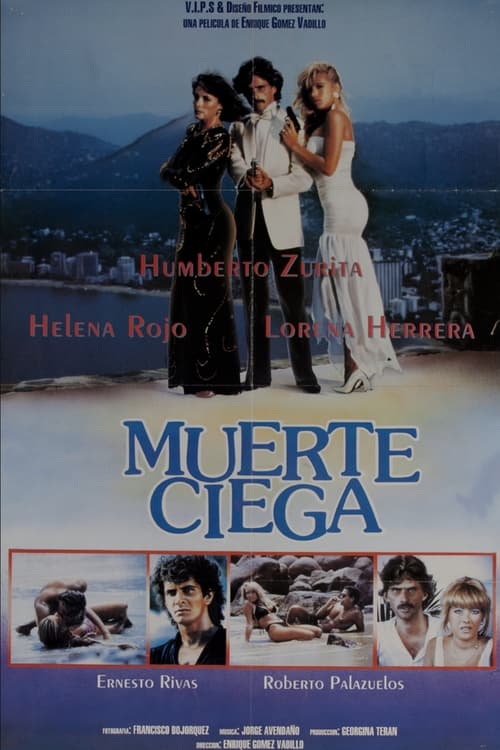
What motivates the character of the blind woman in Muerte Ciega?
What role does the setting play in the blind woman's journey?
How does the relationship between the blind woman and her caretaker evolve?
What specific events lead to the climax of Muerte Ciega?
Should I watch it?
Ask Your Own Question

What is the plot?
Sorry, we aren't able to watch and write up a full detailed plot yet. Check back in a few days.
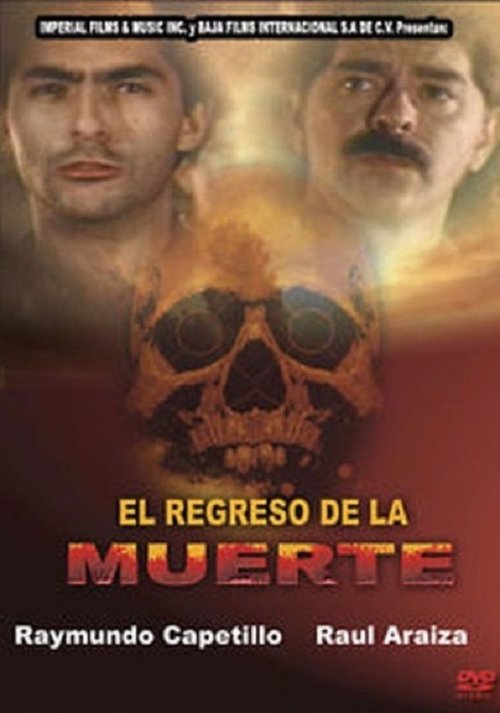
What is the ending?
In the ending of "Muerte Ciega," the protagonist, a blind woman named Laura, confronts the killer who has been terrorizing her and her friends. In a tense showdown, she uses her other senses to outsmart him. Ultimately, she manages to kill the murderer, but not without suffering significant emotional and physical trauma. The film concludes with Laura grappling with her newfound strength and the haunting memories of the violence she endured.
Now, let's delve into the ending in a more detailed narrative fashion.
As the climax of "Muerte Ciega" unfolds, the atmosphere is thick with tension. Laura, the blind protagonist, has been pushed to her limits, having already lost friends to the relentless killer. The scene is set in an abandoned building, dimly lit and echoing with the sounds of her own heartbeat. Laura, despite her blindness, has developed a heightened awareness of her surroundings, relying on sound and touch to navigate the space.
In a pivotal moment, she hears the faintest creak of a floorboard, a telltale sign that the killer is nearby. Her heart races, but she steels herself, driven by a fierce determination to survive. The camera captures her face, a mixture of fear and resolve, as she recalls the friends she has lost and the terror that has plagued her life. This moment is not just about survival; it's about reclaiming her power.
Suddenly, the killer appears, a shadowy figure emerging from the darkness. He taunts her, confident in his ability to overpower her. But Laura, fueled by desperation and anger, confronts him. The confrontation is intense, with the killer underestimating her capabilities. As he lunges at her, she deftly sidesteps, using her other senses to anticipate his movements. The choreography of the fight is raw and visceral, showcasing her transformation from a victim to a fighter.
In a critical moment, Laura manages to grab a nearby object--a broken piece of glass. With a surge of adrenaline, she thrusts it towards the killer, striking him. The scene is chaotic, filled with the sounds of struggle and the killer's enraged cries. As he falls, the camera lingers on Laura's face, capturing a mix of triumph and horror. She has killed the man who has haunted her, but the act weighs heavily on her conscience.
As the dust settles, Laura stands over the body, breathing heavily, her hands trembling. The emotional toll of the encounter is palpable; she has survived, but at what cost? The film captures her internal conflict, the realization that she has crossed a line that cannot be uncrossed. The camera pulls back, revealing the desolate surroundings, emphasizing her isolation in this moment of victory.
In the final scenes, Laura is seen leaving the building, her expression a complex tapestry of relief, sorrow, and newfound strength. She walks away from the horror, but the shadows of her past linger. The film closes with a haunting image of her silhouette against the backdrop of the city, symbolizing her journey from victimhood to empowerment, yet also the scars that remain.
The fates of the main characters are stark: Laura survives, but she is forever changed, carrying the weight of her experiences. The killer, having met his end, serves as a grim reminder of the violence that can erupt in the shadows. The friends she lost throughout the film are not forgotten; their memories fuel her resolve, but they also serve as a haunting reminder of the fragility of life and the impact of trauma. The ending encapsulates the struggle between fear and strength, leaving the audience to ponder the complexities of survival and the cost of reclaiming one's power.
Is there a post-credit scene?
The movie "Muerte Ciega," also known as "Blind Death," does not feature a post-credit scene. The film concludes its narrative without any additional scenes or content after the credits roll. The story wraps up with a sense of finality, focusing on the resolution of the main plot and the fates of the characters involved. The absence of a post-credit scene allows the audience to reflect on the intense and emotional journey they have just experienced, emphasizing the film's themes of vengeance and the consequences of violence.
How does the antagonist's character develop throughout the film?
The antagonist in Muerte Ciega is portrayed as a complex figure whose motivations are rooted in a troubled past. As the film progresses, his character reveals layers of desperation and rage, stemming from feelings of inadequacy and a need for control, which ultimately leads to his violent actions against the blind woman.
What motivates the character of the blind woman in Muerte Ciega?
The blind woman, played by the protagonist, is driven by a deep desire for independence and a longing to reclaim her life after a traumatic event that left her visually impaired. Her internal struggle is palpable as she navigates a world filled with danger, relying on her other senses to survive and protect herself.
What role does the setting play in the blind woman's journey?
The setting in Muerte Ciega is crucial to the blind woman's journey, as it shifts from her seemingly safe home to the dark, menacing streets of the city. Each location amplifies her vulnerability and heightens the tension, forcing her to adapt and rely on her instincts, which showcases her resilience and determination.
How does the relationship between the blind woman and her caretaker evolve?
Initially, the relationship between the blind woman and her caretaker is one of dependency, with the caretaker providing support and guidance. However, as the plot unfolds, their dynamic shifts; the blind woman begins to assert her independence, challenging the caretaker's protective instincts, which leads to moments of tension and growth for both characters.
What specific events lead to the climax of Muerte Ciega?
The climax of Muerte Ciega is reached through a series of escalating confrontations between the blind woman and the antagonist. Key events include the blind woman's discovery of the antagonist's true nature, her attempts to escape his grasp, and a pivotal moment where she must confront her fears head-on, culminating in a tense showdown that tests her strength and resolve.
Is this family friendly?
"Muerte Ciega," also known as "Blind Death," is not considered family-friendly due to its graphic content and themes. Here are some potentially objectionable or upsetting aspects that may occur:
-
Violence: The film contains several scenes of graphic violence, including murder and physical assaults, which may be disturbing to younger viewers or sensitive individuals.
-
Gore: There are moments that depict blood and gore, which can be unsettling and may provoke a strong reaction.
-
Sexual Content: The film includes scenes with sexual themes and nudity, which may not be appropriate for children.
-
Psychological Horror: The film explores themes of fear and psychological torment, which could be distressing for sensitive viewers.
-
Death and Trauma: The narrative involves themes of death and trauma, which may resonate negatively with those who have experienced similar situations.
Overall, the film's mature themes and graphic content make it unsuitable for children and potentially upsetting for sensitive audiences.





