











Popular
What role does Perry Mason play in the investigation of the murder?
Who is the victim in Perry Mason: The Case of the Fatal Framing?
How does the character of Della Street contribute to the investigation?
What evidence is pivotal in revealing the true murderer?
What is the relationship between Paul Drake Jr. and the other characters involved in the case?
Should I watch it?
Ask Your Own Question

What is the plot?
Sorry, we aren't able to watch and write up a full detailed plot yet. Check back in a few days.
More Movies Like This
Browse All Movies →



What is the ending?
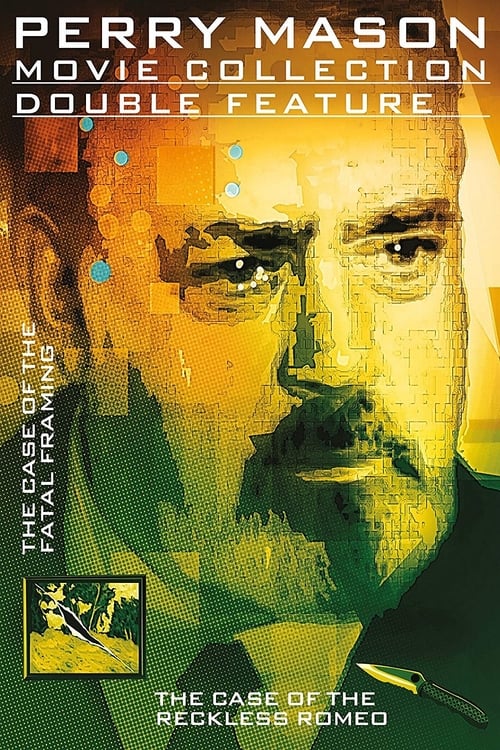
In the ending of "Perry Mason: The Case of the Fatal Framing," Perry Mason successfully uncovers the truth behind the murder of a prominent artist, leading to the revelation of the true killer. The case is resolved in the courtroom, where Mason's sharp legal skills and keen intuition bring justice to light. The main characters find closure, with the murderer facing the consequences of their actions, while Mason and his team reflect on the complexities of the case.
As the courtroom drama unfolds, the tension is palpable. Perry Mason stands before the jury, his demeanor calm yet commanding. The atmosphere is thick with anticipation as he prepares to reveal the final pieces of evidence that will turn the tide of the trial. The audience, filled with onlookers and the press, leans in, eager to witness the conclusion of this high-profile case.
Mason begins by methodically laying out the timeline of events surrounding the murder of the artist, whose life was cut short under mysterious circumstances. He presents a series of photographs that were pivotal to the case, each one meticulously analyzed to expose the inconsistencies in the prosecution's narrative. The images serve as a visual representation of the truth, and Mason's voice resonates with conviction as he connects the dots for the jury.
As he speaks, the camera shifts to the defendant, who sits with a mixture of anxiety and hope. The weight of the accusations hangs heavily on their shoulders, and the audience can see the flicker of doubt in their eyes. Mason's argument builds momentum, and he skillfully dismantles the prosecution's case, revealing the flaws in their evidence and the motivations of those involved.
In a dramatic turn, Mason calls a surprise witness to the stand. This witness, a key figure in the artist's life, provides crucial testimony that corroborates Mason's theory of the case. The courtroom gasps as the witness recounts a confrontation that sheds light on the true nature of the relationships between the characters involved. The emotional stakes rise as the witness's words resonate with the jury, painting a vivid picture of jealousy, betrayal, and ambition.
With the final pieces of evidence in place, Mason delivers a powerful closing argument. He appeals to the jury's sense of justice, urging them to look beyond the surface and consider the deeper motivations that led to the tragic events. His passion is palpable, and the audience can feel the weight of his words as he implores them to seek the truth.
As the jury deliberates, the tension in the courtroom is almost unbearable. Mason, along with his loyal assistant Della Street and private investigator Paul Drake, exchange glances filled with hope and anxiety. They have worked tirelessly to uncover the truth, and now it rests in the hands of the jury.
Finally, the jury returns with their verdict. The foreman stands, and the courtroom holds its breath. "Not guilty," he declares, and a wave of relief washes over the defendant. Mason's face breaks into a satisfied smile, knowing that justice has been served. The true murderer, who had been lurking in the shadows, is revealed through Mason's relentless pursuit of the truth.
In the aftermath, the characters reflect on the case. The defendant expresses gratitude to Mason and his team, acknowledging the toll the trial has taken on their life. Mason, ever humble, reminds them that the real victory lies in uncovering the truth, not just winning the case.
As the film draws to a close, Mason, Della, and Paul share a moment of camaraderie, their bond strengthened by the challenges they faced together. The camera pans out, capturing the essence of their partnership and the enduring quest for justice that defines Perry Mason's legacy. The screen fades to black, leaving the audience with a sense of closure and the reminder that the pursuit of truth is a journey worth taking.
Is there a post-credit scene?
"Perry Mason: The Case of the Fatal Framing," produced in 1992, does not contain a post-credit scene. The film concludes with the resolution of the central mystery, focusing on Perry Mason's triumph in the courtroom and the emotional closure for the characters involved. After the final verdict is delivered, the film wraps up without any additional scenes or content following the credits. The emphasis remains on the narrative's conclusion and the characters' fates, leaving no lingering moments or teasers for future stories.
What role does Perry Mason play in the investigation of the murder?
Perry Mason, portrayed by Raymond Burr, takes on the case to defend his client, who is accused of the murder, and he works tirelessly to uncover the truth behind the crime.
Who is the victim in Perry Mason: The Case of the Fatal Framing?
The victim in the film is a well-known photographer named Paul Drake Jr., who is found dead in his studio.
How does the character of Della Street contribute to the investigation?
Della Street, played by Barbara Hale, assists Perry Mason by gathering evidence, interviewing witnesses, and providing emotional support, showcasing her loyalty and intelligence throughout the case.
What evidence is pivotal in revealing the true murderer?
A crucial piece of evidence is a photograph that reveals the true circumstances surrounding the murder, which Perry Mason uses to expose the real killer during the trial.
What is the relationship between Paul Drake Jr. and the other characters involved in the case?
Paul Drake Jr. has complex relationships with several characters, including his mentor, Perry Mason, and his romantic interest, which add layers of motive and emotional stakes to the investigation.
Is this family friendly?
"Perry Mason: The Case of the Fatal Framing" is generally considered family-friendly, but it does contain some elements that may be objectionable or upsetting for children or sensitive viewers. Here are a few aspects to consider:
-
Murder Investigation: The central plot revolves around a murder case, which includes discussions of death and the investigation process. This may be unsettling for younger viewers.
-
Tension and Suspense: There are several tense moments throughout the film, including confrontations and emotional scenes that may evoke anxiety.
-
Themes of Betrayal and Deception: The story explores themes of betrayal, jealousy, and manipulation, which may be complex for younger audiences to fully grasp.
-
Emotional Distress: Characters experience significant emotional turmoil, including grief and anger, which could be intense for sensitive viewers.
-
Courtroom Drama: The courtroom scenes can be intense, with high stakes and dramatic revelations that might be overwhelming for some.
Overall, while the film is not graphic or excessively violent, the themes and emotional weight may require parental guidance for younger viewers.








