




Popular
What magical event does the main character experience during the Night of Magic?
Who are the key supporting characters that help Emma on her journey?
What challenges does Emma face while trying to harness her magical powers?
How does Emma's relationship with her family evolve throughout the story?
What is the significance of the enchanted amulet that Emma discovers?
Should I watch it?
Ask Your Own Question

What is the plot?
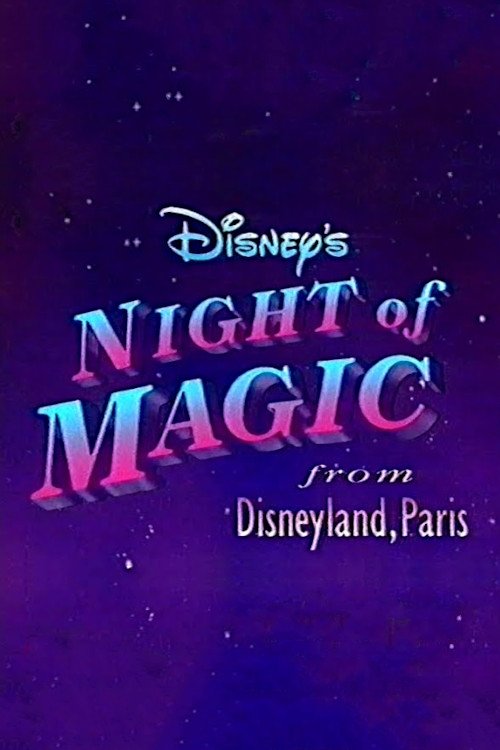
Disney's Night of Magic (1993) is not a conventional story film at all, but a 42-minute television special built around live illusion acts at EuroDisneyland Paris, so there is no true death-heavy plot, no murder mystery, and no ending in the dramatic narrative sense the prompt implies. The "story" is really a framing device: Mickey Mouse is closing the park for the night when he meets legendary magician Harry Blackstone Jr. behind the counter of the magic shop, and that encounter opens the door to a parade of stage illusions that unfold across the park like a dream.
The special begins in the hush that settles over EuroDisneyland Paris as the day winds down and the crowds thin out. Mickey, now in his nighttime role as the last cheerful keeper of the park, moves through the closing ritual with the warm, slightly wistful energy of someone who knows the magic of the day is not quite over yet. At the magic shop counter, he comes face to face with Harry Blackstone Jr., who functions less like a character in a plot than like a master of ceremonies stepping out of the ordinary world and into the enchanted one. The moment is presented as a gentle handoff: the park is closing, but illusion is about to begin. There is no elaborate dialogue preserved in the available summaries, but the setup is clear enough to feel like an invitation--Mickey enters one world's after-hours stillness and is met by another world's impossible tricks.
From there, the special abandons any idea of a linear conflict-driven narrative and becomes a chain of theatrical marvels. Flowers and birds suddenly vanish, establishing the tone immediately: nothing in this park is going to stay where it belongs for long. The effects are not just demonstrations but transitions from one wonder to the next, as if each trick unlocks another hidden corridor inside the park. The mood remains playful, glossy, and slightly surreal, with the Disneyland setting itself becoming part of the machinery of illusion. EuroDisneyland Paris is not just a backdrop; it is the stage on which every transformation, disappearance, and reappearance feels larger than life.
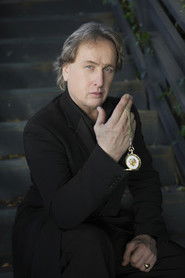
Jonathan Pendragon then takes over the flow with his portable theatre of impossible things, introducing one of the special's central illusion sequences. He uses the compact set to show what can happen inside a theatre, and the performance turns intimate and uncanny at once: Charlotte Pendragon climbs inside, is transformed into a tiny doll, has her costume changed, and then reappears, restored and altered, as if the box itself has rewritten her identity. The sequence is pure stage magic, but in the context of the special it feels like a revelation about the park's nocturnal nature--at night, even size, body, and costume can be rewritten on a whim. The Pendragons' segment also includes their fast-paced metamorphosis work, with Charlotte changing in a flash, and later their Houdini-style metamorphosis, where the speed of the transformation becomes the point: identity becomes a blur, then a burst of color, then a new figure altogether.
The momentum builds through a series of escalating set pieces that keep moving from wonder to wonder without ever pausing long enough for the viewer to settle. Arturo Brachetti appears as a whirlwind of quick changes, each one more abrupt than the last. One moment he is Peter Pan, the next an old man, then Aladdin, each persona snapping into place with comic precision and theatrical confidence. The visual rhythm is important here: the special doesn't treat these as separate mini-stories, but as a single flowing spell, a cascade of identities collapsing and reforming under the bright lights of the park. Brachetti's transformations carry a mischievous edge, as though the special is laughing at how easily appearances can be replaced.
The Pendragons' more dangerous illusion work raises the tension. Charlotte Pendragon, dressed in a black sequinned bikini, is shackled inside a metal frame placed directly in the path of a motorcycle driven by Eddie Kidd. The image is staged for maximum suspense: metal, speed, and apparent vulnerability are forced into one frame, and the audience is asked to stare at the instant before impact. When the motorcycle penetrates the frame, the danger resolves into a surprise--when the rider removes the helmet, it is Charlotte herself. The trick creates the sensation of a near-fatal collision, but the special never turns that into an actual death or injury. Instead, it transforms threat into revelation: what looked like peril becomes proof of impossibility. That is the special's main dramatic engine--danger is always theatrical, and the payoff is always amazement.
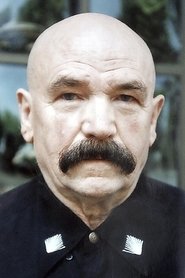
Hans Moretti's escape act pushes that feeling of physical jeopardy even further. Shackled, bound, and almost gagged, he hangs upside down, racing against the burning rope that is holding him up above the water below. The image is stark and breathless: time, gravity, fire, and confinement all close in at once. The sequence is framed as a race against a fatal fall, but again the special never delivers an actual tragedy. Instead, the act depends on the audience believing that a mistake would mean disaster. The danger is fake, the stakes are real in presentation, and the escape becomes a climax of tension without death. In the language of the special, escaping is the same as surviving.
The atmosphere shifts into something more lyrical when Jonathan introduces Charlotte in a flowing white dress and places her into a trance. She rises high in the air in front of the Disney castle, and the image becomes one of the most dreamlike in the special: white fabric, blue night sky, and the distant silhouette of the castle create a fairy-tale tableau that feels suspended outside ordinary time. It is not a plot revelation so much as a visual one--the special reveals that the park itself can become a levitation stage, and that the castle can serve as a frame for human flight. The emotional tone here is wonder mixed with serenity, as if the magic is no longer merely shocking but beautiful.
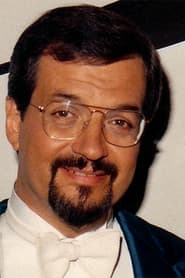
The special then pivots back to the precision and charm of Harry Blackstone Jr., who remains the central host-like presence guiding the viewer through the evening. He rides in on a horse in an Arabian Nights costume, extending the feeling that the park has become a living storybook with performers wandering between its chapters. He places the horse into a small tent and makes it disappear, a classic vanishing effect that carries the same logic as the earlier disappearances of flowers and birds: the world of the special is one in which size and substance can be canceled at any moment. Harry's role is not to fight an antagonist, because there is none; instead, he keeps deepening the illusion that the entire park is under a magical spell. There is no villain to defeat, no hidden murderer to expose, no secret conspiracy waiting to be uncovered. The only "twist" is that every impossible thing is simply part of the program.
The Aladdin-themed material extends this sense of the park as a fantastical procession. With the help of the cast of Aladdin, Harry makes Charlotte Pendragon appear from inside a magic carpet, dressed as a harem girl. The sequence connects Disneyland spectacle with storybook fantasy, and it does so without explanation because explanation would undercut the pleasure. The image is all revelation and no mystery: one instant the carpet is empty, the next Charlotte is there, fully formed, transformed again. The special's narrative logic is that magic produces identity faster than language can describe it.
Eventually the tone returns to Mickey Mouse, the original frame through which all of this enters. Charlotte kisses Mickey's nose, a small but memorable bit of affectionate stage business that reminds the viewer the special is still tethered to Disney's own iconography. Then Harry hypnotizes Charlotte, makes her float into the air, and vanish in a flash. The scene feels like a final escalation of the recurring motifs that have been building all along--appearance and disappearance, helplessness and release, intimacy and spectacle. If the special has a climax, it is this repeated assertion that the body itself can be made to obey impossible commands. Yet even here, the vanishing is not death. It is the ultimate stage illusion, a final "now you see her, now you don't" that confirms the special's true identity as a celebration of craftsmanship rather than a story of peril.
Because this is a performance special and not a conventional drama, there are no character deaths, no fatal confrontations, and no grim resolution to report. The apparent dangers--motorcycle collision, hanging escape, disappearance, hypnotic levitation--are all theatrical constructs, designed to thrill without harming anyone. The "revelations" are equally non-narrative: the audience learns not a hidden truth about a character, but the emotional truth that magic can make a park feel alive after dark. EuroDisneyland Paris becomes the final answer to the special's central premise, its architecture, castle, shop counters, and performance spaces all folded into a single shimmering after-hours fantasy.
The ending therefore lands not with a twist, but with a feeling. The special winds down as a showcase of illusion, and the park remains standing, luminous and intact, after the tricks are done. Mickey's framing presence gives the evening a gentle closing note: he begins as the park's caretaker at closing time, and the magic he encounters expands that ordinary duty into an enchanted farewell. Harry Blackstone Jr. remains the guide who opened the door, and the various performers--Jonathan and Charlotte Pendragon, Arturo Brachetti, Hans Moretti, Eddie Kidd, and the other featured acts--collectively turn the closing hours of EuroDisneyland Paris into a sequence of wonders that never quite resolve into a story because they are the story. The final impression is that the park, even after midnight, is still full of invisible life, ready to vanish, reappear, and transform again the moment the lights come back on.
What is the ending?
In the ending of Disney's Night of Magic, the main characters come together to confront the challenges they have faced throughout the story. They learn the importance of friendship and believing in themselves. The climax resolves the central conflict, leading to a triumphant conclusion where the characters embrace their newfound strengths and the magic of their experiences.
As the final scenes unfold, the atmosphere is charged with anticipation. The characters gather in a beautifully illuminated setting, where the culmination of their journey is about to take place. The air is thick with excitement and a hint of apprehension as they prepare to face the ultimate test of their abilities and bonds.
The first scene shows the characters standing together, united in purpose. They reflect on their individual journeys, each having faced their own fears and doubts. The camera captures their expressions--determination mixed with a touch of vulnerability. They share a moment of camaraderie, reinforcing their commitment to one another. This moment is pivotal, as it highlights the theme of friendship that has been woven throughout the narrative.
As they step forward, the challenge they face materializes before them. It is a dazzling display of magic and obstacles that test their resolve. Each character must confront their personal struggles, drawing on the lessons they have learned. The visuals are vibrant, with swirling colors and enchanting effects that symbolize the magic they have discovered within themselves.
One character, who has been particularly hesitant, takes a deep breath and steps into the fray. Their internal struggle is palpable, and the audience can feel the weight of their fears. However, as they begin to act, a transformation occurs. The character taps into their inner strength, and the magic around them responds, illuminating their path. This moment is a turning point, showcasing the power of belief and the importance of stepping out of one's comfort zone.
As the climax reaches its peak, the characters work together, combining their unique abilities. The scene is filled with dynamic action, as they navigate through challenges, supporting one another. The visuals are breathtaking, with bursts of light and energy that signify their growing confidence and unity. The audience is drawn into the excitement, feeling the stakes rise as the characters face their final challenge.
In the resolution, the characters emerge victorious, having overcome the obstacles that once seemed insurmountable. They stand together, triumphant and transformed. The camera pans over their faces, capturing the joy and relief that washes over them. Each character has grown, having learned valuable lessons about themselves and the strength of their friendships.
As the story concludes, the characters share a heartfelt moment, celebrating their achievements. They express gratitude for one another, solidifying the bonds they have formed. The final scene fades out with a sense of hope and possibility, leaving the audience with a feeling of warmth and inspiration.
In summary, the ending of Disney's Night of Magic encapsulates the journey of the characters, highlighting their growth and the importance of friendship. Each character finds their place within the group, and together they embrace the magic of their experiences, leaving behind their doubts and fears. The fate of each character is one of empowerment and connection, as they step into a brighter future, united by their shared adventure.
Is there a post-credit scene?
Disney's Night of Magic, produced in 1993, does not have a post-credit scene. The film concludes its narrative without any additional scenes or content after the credits roll. The story wraps up with a sense of closure, focusing on the themes of friendship, adventure, and the magic of believing in oneself. The absence of a post-credit scene allows the audience to reflect on the journey of the characters and the enchanting experiences they shared throughout the film.
What magical event does the main character experience during the Night of Magic?
During the Night of Magic, the main character, a young girl named Emma, discovers a hidden world of enchantment where she encounters various magical creatures and learns about her own unique abilities.
Who are the key supporting characters that help Emma on her journey?
Key supporting characters include a wise old wizard named Merlin, who serves as Emma's mentor, and a mischievous fairy named Tilly, who provides comic relief and guidance throughout her adventure.
What challenges does Emma face while trying to harness her magical powers?
Emma faces several challenges, including overcoming her self-doubt, navigating tricky magical spells, and confronting a dark sorceress who seeks to steal her powers for herself.
How does Emma's relationship with her family evolve throughout the story?
Emma's relationship with her family evolves as she learns to embrace her magical identity; her parents initially struggle to understand her newfound abilities, but they ultimately come to support her and appreciate her uniqueness.
What is the significance of the enchanted amulet that Emma discovers?
The enchanted amulet that Emma discovers is significant because it serves as a key to unlocking her magical potential and symbolizes her connection to the magical world, ultimately guiding her in her quest to save both realms.
Is this family friendly?
Disney's Night of Magic is a family-friendly film that is designed to entertain audiences of all ages. However, like many stories, it contains some elements that might be considered potentially objectionable or upsetting for very young children or sensitive viewers.
-
Mild Frightening Scenes: There are moments that may include suspenseful or slightly scary imagery, particularly during magical transformations or encounters with mystical creatures.
-
Emotional Tension: Characters may experience feelings of fear, sadness, or conflict, which could be intense for some viewers. These emotional scenes are meant to convey growth and resolution but might be overwhelming for younger audiences.
-
Mild Peril: Some scenes may depict characters in situations of danger or distress, which could evoke concern or anxiety.
Overall, while the film is crafted to be enjoyable for families, parents may want to consider these aspects when deciding if it is suitable for their children.







