










































Popular
What led David Gale to become an anti-death penalty activist?
How does David Gale's relationship with his ex-wife affect the story?
What role does the character of Bitsey Bloom play in the narrative?
What is the significance of the 'truth' that David Gale reveals during the film?
How does the film portray the media's role in David Gale's story?
Should I watch it?
Ask Your Own Question

What is the plot?
Sorry, we aren't able to watch and write up a full detailed plot yet. Check back in a few days.




What is the ending?
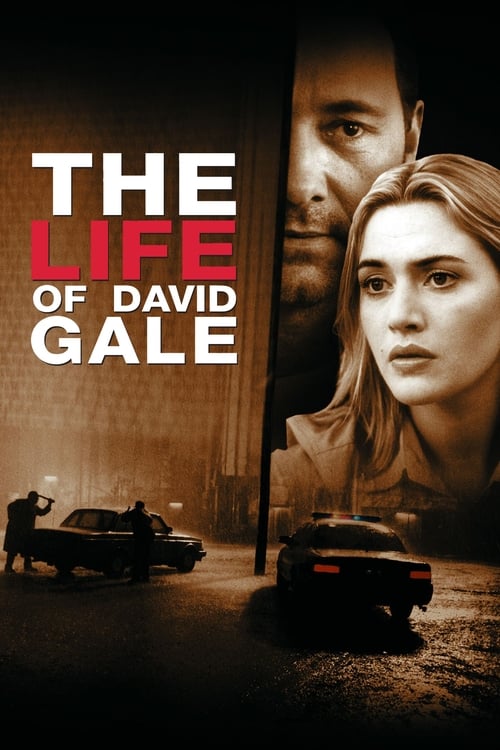
In the ending of "The Life of David Gale," David Gale, a death row inmate, reveals that he orchestrated his own execution to expose the flaws in the death penalty system. He confesses to journalist Bitsey Bloom that he is innocent of the crime for which he was convicted. As the film concludes, Gale's plan unfolds, leading to a shocking twist that leaves Bitsey grappling with the truth.
As the final act of "The Life of David Gale" unfolds, the tension escalates. Bitsey Bloom, a journalist, is in a race against time to uncover the truth about David Gale's innocence before his scheduled execution. The clock is ticking, and she is determined to find evidence that could save him.
Scene 1: Bitsey is in a frantic state, rifling through documents and evidence related to Gale's case. She is haunted by the weight of her responsibility, knowing that Gale's life hangs in the balance. Her determination is palpable as she interviews witnesses and revisits the crime scene, desperately seeking any clue that could exonerate him.
Scene 2: In a pivotal moment, Bitsey discovers a crucial piece of evidence: a video recording that Gale had made prior to his execution. The video reveals his true intentions and the elaborate plan he set in motion. Bitsey watches in disbelief as Gale explains that he is innocent and that he has orchestrated his own death to highlight the injustices of the death penalty system. The emotional weight of this revelation hits her hard, and she realizes the depth of Gale's sacrifice.
Scene 3: As the execution hour approaches, Bitsey rushes to the prison, her heart racing. She is filled with a mix of hope and despair, knowing that she may be too late to save him. The prison is tense, filled with the sounds of guards and the grim atmosphere of impending death. Bitsey confronts the prison officials, pleading for them to halt the execution, but her efforts are in vain.
Scene 4: In the execution chamber, David Gale is strapped to the gurney, his expression calm yet resolute. He has accepted his fate, knowing that his death will serve a greater purpose. As the lethal injection begins, he looks directly into the camera, a final act of defiance and a message to the world. His eyes convey a mix of sadness and determination, embodying the tragic irony of his situation.
Scene 5: After Gale's execution, Bitsey is left to grapple with the aftermath. She watches the news coverage of his death, feeling a profound sense of loss and betrayal. The weight of Gale's sacrifice hangs heavy on her, and she realizes that the truth she sought has come at a devastating cost. The film closes with Bitsey reflecting on the moral complexities of the death penalty and the impact of Gale's actions.
In the end, David Gale's fate is sealed as he becomes a martyr for his cause, while Bitsey is left to confront the harsh realities of the justice system and the personal toll of her pursuit of truth. The film leaves viewers with a haunting reminder of the consequences of capital punishment and the lengths to which one might go to expose its flaws.
Is there a post-credit scene?
The Life of David Gale does not have a post-credit scene. The film concludes with a powerful and emotional ending that leaves a lasting impact on the audience. After the climax, where journalist Bitsey Bloom uncovers the truth about David Gale's innocence and the events leading to his execution, the film ends on a somber note, focusing on the themes of justice, morality, and the consequences of the death penalty. The credits roll without any additional scenes or content following the main narrative.
What led David Gale to become an anti-death penalty activist?
David Gale, a former professor and a passionate advocate against the death penalty, becomes an activist after witnessing the injustices and moral dilemmas surrounding capital punishment. His personal experiences, including the wrongful conviction of a friend and the impact of the death penalty on society, fuel his commitment to the cause.
How does David Gale's relationship with his ex-wife affect the story?
David Gale's relationship with his ex-wife, Constance, is fraught with tension and unresolved feelings. Their past is marked by love and betrayal, particularly surrounding the death of their son, which adds emotional depth to Gale's character. This relationship influences his motivations and decisions throughout the film, particularly as he grapples with guilt and the desire for redemption.
What role does the character of Bitsey Bloom play in the narrative?
Bitsey Bloom, a journalist, is pivotal in the narrative as she is tasked with interviewing David Gale on death row. Her initial skepticism transforms into a deeper understanding of Gale's plight and the complexities of his case. As she uncovers the truth, her character embodies the struggle for justice and the moral implications of the death penalty.
What is the significance of the 'truth' that David Gale reveals during the film?
The 'truth' that David Gale reveals is central to the film's climax and serves as a commentary on the nature of justice and morality. It is a shocking revelation that challenges the audience's perceptions of guilt and innocence, ultimately questioning the reliability of the legal system and the consequences of societal beliefs about capital punishment.
How does the film portray the media's role in David Gale's story?
The film portrays the media as a double-edged sword in David Gale's story. Initially, the media sensationalizes his case, contributing to public opinion and the rush to judgment. However, as Bitsey Bloom investigates further, the film critiques the media's role in shaping narratives and highlights the ethical responsibilities of journalists in uncovering the truth.
Is this family friendly?
"The Life of David Gale" is not considered family-friendly due to its mature themes and content. Here are some potentially objectionable or upsetting aspects that may affect children or sensitive viewers:
-
Death Penalty Theme: The film revolves around the controversial topic of capital punishment, which may be distressing for some viewers.
-
Graphic Discussions of Rape: There are intense discussions and implications surrounding sexual assault, which can be triggering for some audiences.
-
Suicide: The film addresses themes of suicide, including a character contemplating and discussing it, which may be upsetting.
-
Violent Imagery: There are scenes that depict violence and the aftermath of violent acts, which can be disturbing.
-
Mature Language: The dialogue includes strong language and adult themes that may not be suitable for younger audiences.
-
Emotional Turmoil: Characters experience deep emotional pain, guilt, and despair, which may be heavy for sensitive viewers.
These elements contribute to the film's overall tone and may not be appropriate for children or those who are sensitive to such topics.







