








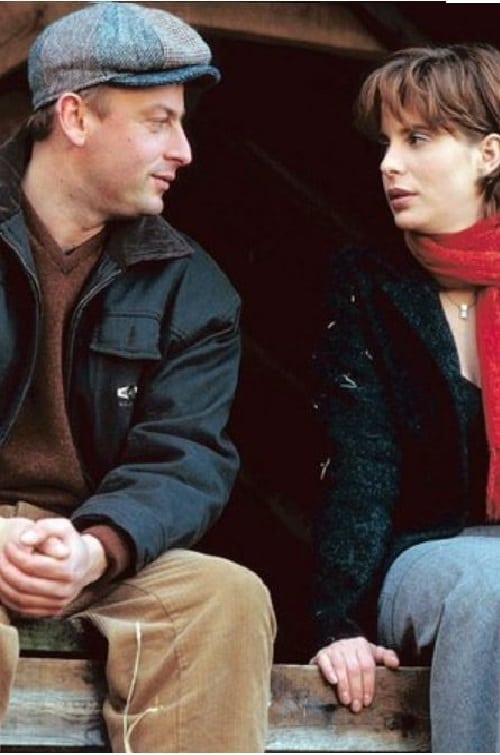
Popular
What is the relationship between the main characters in Lovers?
How does the setting influence the characters' actions in Lovers?
What internal conflicts do the characters face in Lovers?
What pivotal moments define the relationship between the protagonists in Lovers?
How do secondary characters impact the main storyline in Lovers?
Should I watch it?
Ask Your Own Question

What is the plot?
Sorry, we aren't able to watch and write up a full detailed plot yet. Check back in a few days.







What is the ending?
In the ending of the movie "Lovers" (1995), the story culminates in a tragic confrontation between the main characters, leading to a series of emotional revelations and ultimately, a heartbreaking resolution. The characters face the consequences of their choices, and the film concludes with a sense of loss and unresolved tension.
As the final act unfolds, we find ourselves in a dimly lit room where the atmosphere is thick with tension. The protagonist, a young woman named Julie, is grappling with her feelings for two men: the passionate and impulsive Marc, and the stable yet emotionally distant Paul. The emotional stakes are high as she must confront her own desires and the impact of her decisions on those around her.
Scene by scene, the narrative progresses as follows:
The first scene of the ending begins with Julie sitting alone in her apartment, her face illuminated by the soft glow of a nearby lamp. She is lost in thought, reflecting on her tumultuous relationships. The camera captures the flicker of uncertainty in her eyes, revealing her internal struggle. She knows she must make a choice, but the weight of her feelings for both men is overwhelming.
In the next scene, Marc arrives unexpectedly, his presence electrifying the air. He is filled with a mix of desperation and passion, urging Julie to embrace their love fully. His words are fervent, and he expresses a longing for a life together, free from the constraints of their current situations. Julie's heart races as she listens, torn between the thrill of Marc's intensity and the security that Paul offers.
As the conversation deepens, the tension escalates. Julie's emotional turmoil is palpable; she feels the pull of Marc's wild spirit but is also haunted by the stability Paul provides. The camera shifts between close-ups of her conflicted expressions and wide shots that emphasize the isolation of her decision-making process.
The scene transitions to Paul, who is at a bar, nursing a drink. He is unaware of the confrontation brewing between Julie and Marc. His demeanor is calm, but there is an underlying sadness in his eyes, hinting at his own insecurities and fears of losing Julie. The audience can sense his vulnerability as he reflects on their relationship, contemplating what it means to truly love someone.
Back at Julie's apartment, the tension reaches a breaking point. Marc, frustrated by Julie's indecision, confronts her about her feelings for Paul. The argument escalates, and emotions run high. Julie, caught in the crossfire, finally admits her love for Marc but also acknowledges her deep connection to Paul. This moment of honesty is both liberating and devastating, as it forces all three characters to confront the reality of their intertwined lives.
In the climactic scene, Paul arrives at Julie's apartment, having sensed that something is amiss. The atmosphere is charged with unresolved emotions as the three characters face each other. Paul's calm demeanor contrasts sharply with Marc's fiery passion, creating a palpable tension in the room. The confrontation reveals the raw emotions each character has been suppressing, leading to a heart-wrenching exchange.
As the scene unfolds, the characters express their fears, regrets, and desires. Julie, overwhelmed by the weight of her choices, breaks down, revealing the depth of her love for both men. The emotional intensity peaks as Marc and Paul confront each other, each vying for Julie's affection and loyalty. The dialogue is sharp and poignant, capturing the essence of their struggles.
In the final moments, the resolution comes with a sense of inevitability. Julie makes her choice, but it is not without sacrifice. The camera lingers on her face, capturing the bittersweet nature of her decision. As she walks away from Marc, there is a sense of finality, and the emotional toll of her choice is evident. Marc, heartbroken, watches her leave, his expression a mix of anger and sorrow.
Paul, on the other hand, stands silently, accepting the outcome with a heavy heart. The film closes with a lingering shot of Julie walking away, the weight of her decision hanging in the air. The audience is left with a profound sense of loss, as the characters grapple with the consequences of their choices.
In summary, the ending of "Lovers" encapsulates the complexities of love, desire, and the painful choices that define relationships. Each character faces their own fate: Julie embarks on a new path, Marc is left to confront his heartbreak, and Paul must reconcile his feelings of loss and acceptance. The film concludes with an emotional resonance that lingers long after the credits roll.
Is there a post-credit scene?
The movie "Lovers," produced in 1995, does not feature a post-credit scene. The film concludes its narrative without any additional scenes or content after the credits roll. The story wraps up with the emotional arcs of the characters fully realized, leaving the audience with a sense of closure regarding their journeys.
What is the relationship between the main characters in Lovers?
In Lovers, the main characters, played by the passionate and intense actors, are deeply intertwined in a complex romantic relationship that explores themes of love, betrayal, and desire. Their connection is marked by moments of intense passion and emotional turmoil, as they navigate the challenges posed by their pasts and the societal expectations surrounding them.
How does the setting influence the characters' actions in Lovers?
The setting of Lovers plays a crucial role in shaping the characters' actions and emotional states. The film is set against a backdrop of vibrant yet tumultuous environments that reflect the inner conflicts of the characters. The contrasting locations, from intimate, secluded spaces to bustling urban scenes, serve to heighten the tension and intimacy of their relationship.
What internal conflicts do the characters face in Lovers?
The characters in Lovers grapple with significant internal conflicts that drive the narrative forward. One character struggles with feelings of guilt and longing, torn between their desires and the repercussions of their choices. Another character faces the challenge of reconciling their past with their present, leading to moments of vulnerability and self-discovery.
What pivotal moments define the relationship between the protagonists in Lovers?
Several pivotal moments define the relationship between the protagonists in Lovers. These include a passionate encounter that solidifies their bond, a confrontation that reveals deep-seated insecurities, and a moment of betrayal that tests their love. Each of these scenes is charged with emotional intensity, showcasing the characters' vulnerabilities and the stakes of their relationship.
How do secondary characters impact the main storyline in Lovers?
Secondary characters in Lovers play a significant role in shaping the main storyline and the development of the protagonists. They serve as catalysts for change, providing contrasting perspectives on love and relationships. Their interactions with the main characters often lead to critical turning points, influencing decisions and revealing deeper layers of the protagonists' personalities.
Is this family friendly?
The movie "Lovers," produced in 1995, contains several elements that may not be suitable for children or sensitive viewers. Here are some potentially objectionable aspects:
-
Sexual Content: The film includes scenes that depict romantic and sexual relationships, which may be considered explicit or inappropriate for younger audiences.
-
Emotional Turmoil: Characters experience intense emotional struggles, including heartbreak and betrayal, which could be distressing for sensitive viewers.
-
Violence: There are moments of conflict that may involve physical altercations or aggressive behavior, which could be unsettling.
-
Mature Themes: The narrative explores complex adult themes such as infidelity, love, and the consequences of choices, which may be difficult for children to understand.
-
Substance Use: There may be instances of alcohol consumption or references to drug use that could be concerning.
These elements contribute to a mature tone that may not be appropriate for a family-friendly viewing experience.








