















Popular
What challenges does the ugly duckling face in the story?
How does the ugly duckling's appearance change throughout the film?
What role do the other animals play in the ugly duckling's journey?
How does the ugly duckling react to being bullied by other animals?
What is the significance of the transformation scene in the story?
Should I watch it?
Ask Your Own Question

What is the plot?
Sorry, we aren't able to watch and write up a full detailed plot yet. Check back in a few days.




What is the ending?
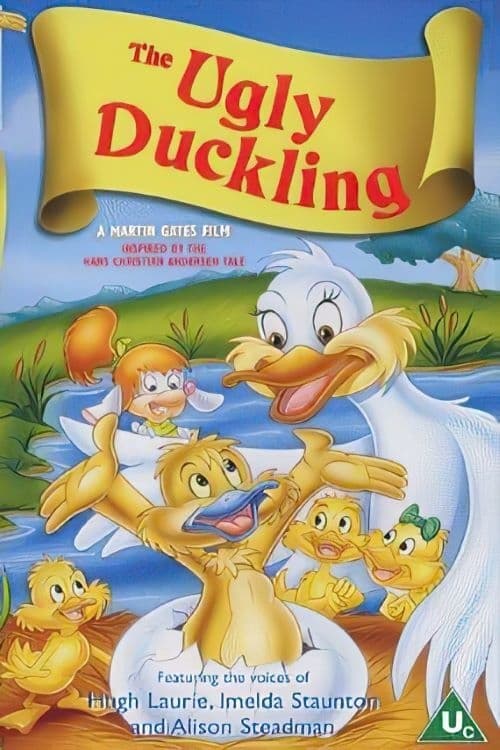
In the ending of "The Ugly Duckling" (1997), the once-rejected duckling transforms into a beautiful swan, finally accepted by the other animals. The story concludes with a celebration of his newfound identity and acceptance.
As the final scenes unfold, the setting shifts to a serene pond surrounded by lush greenery. The once lonely and ostracized duckling, who has endured ridicule and hardship, emerges from the water, now transformed into a magnificent swan. His feathers glisten in the sunlight, showcasing the beauty that had been hidden beneath his earlier, awkward exterior.
The other animals, who had previously mocked him, gather around the pond, their expressions shifting from surprise to admiration. They are taken aback by the stunning transformation, realizing that the duckling they once scorned is now a graceful swan. The swan glides across the water, embodying elegance and confidence, a stark contrast to the timid creature he once was.
As he swims, the swan feels a profound sense of belonging and joy. The other animals, including the ducks who had once bullied him, approach him with newfound respect. They acknowledge his beauty and grace, and the atmosphere shifts to one of acceptance and celebration. The swan, now fully aware of his worth, interacts with the other animals, who invite him to join their activities.
In this moment of acceptance, the swan realizes that he has finally found his place in the world. The story closes with a sense of harmony, as the swan is no longer an outcast but a cherished member of the community. The final image captures the swan surrounded by his new friends, symbolizing the triumph of self-acceptance and the importance of recognizing inner beauty.
The fate of the main characters is as follows: the ugly duckling, now a beautiful swan, finds acceptance and belonging; the other animals, who once ridiculed him, learn to appreciate him for who he truly is; and the overarching message of the story emphasizes the journey of self-discovery and the value of inner beauty over outward appearances.
Is there a post-credit scene?
The movie "The Ugly Duckling," produced in 1997, does not feature a post-credit scene. The film concludes with a heartwarming resolution to the story, focusing on the transformation and acceptance of the titular character, the ugly duckling, who ultimately finds his place in the world. The narrative wraps up with a sense of closure, emphasizing themes of self-acceptance and the beauty of individuality, leaving no additional scenes or content after the credits.
What challenges does the ugly duckling face in the story?
The ugly duckling faces numerous challenges throughout the story, including rejection and bullying from other animals due to its appearance. It is ostracized by its siblings and other ducks, leading to feelings of loneliness and despair. The duckling's journey is marked by a search for acceptance and belonging, as it encounters various animals that either mock or ignore it.
How does the ugly duckling's appearance change throughout the film?
Initially, the ugly duckling is depicted as a small, awkward creature with dull feathers and an unappealing appearance, which sets it apart from its more attractive siblings. As the story progresses, the duckling undergoes a transformation, eventually growing into a beautiful swan, showcasing a stunning change in its physical appearance that symbolizes its inner growth and self-acceptance.
What role do the other animals play in the ugly duckling's journey?
The other animals play a significant role in the ugly duckling's journey, often serving as antagonists that reinforce its feelings of inadequacy. From the disdainful remarks of the ducks to the indifference of the farm animals, each encounter highlights the duckling's struggle for acceptance. However, some animals, like the wise old swan, offer guidance and support, helping the duckling realize its true potential.
How does the ugly duckling react to being bullied by other animals?
The ugly duckling reacts to bullying with a mix of sadness and resilience. Initially, it feels hurt and confused by the harsh treatment from others, leading to moments of isolation and self-doubt. However, as the story unfolds, the duckling begins to develop a sense of determination, pushing through the pain of rejection and seeking a place where it truly belongs.
What is the significance of the transformation scene in the story?
The transformation scene is a pivotal moment in the story, symbolizing the ugly duckling's journey from despair to self-acceptance. As the duckling transforms into a beautiful swan, the scene is filled with emotional weight, showcasing the culmination of its struggles and the realization of its true identity. This moment not only highlights the physical change but also represents the inner growth and newfound confidence of the character.
Is this family friendly?
The Ugly Duckling (1997) is generally considered a family-friendly film, aimed at children and audiences of all ages. However, there are a few scenes and themes that might be potentially objectionable or upsetting for some children or sensitive viewers:
-
Bullying and Rejection: The central theme revolves around the ugly duckling being ostracized and bullied by other animals due to his appearance. This can be emotionally distressing for young viewers who may relate to feelings of exclusion.
-
Sadness and Loneliness: The ugly duckling experiences significant sadness and loneliness throughout the film, which may evoke feelings of empathy or sadness in sensitive viewers.
-
Transformation and Identity Struggles: The journey of the ugly duckling involves themes of self-discovery and transformation, which may be complex for younger children to fully grasp, potentially leading to confusion or discomfort.
-
Visual Depictions of Isolation: Scenes depicting the ugly duckling wandering alone or being shunned by others may be visually and emotionally impactful, highlighting feelings of isolation.
Overall, while the film conveys positive messages about acceptance and self-worth, these elements may resonate differently with various viewers, particularly those who are more sensitive to themes of bullying and loneliness.








