















Popular
What motivates Quasimodo to save Esmeralda during the Festival of Fools?
How does Frollo's obsession with Esmeralda affect his actions throughout the film?
What is the significance of the relationship between Quasimodo and the gargoyles?
How does Esmeralda's character challenge societal norms in the film?
What role does the setting of Notre Dame play in the story?
Should I watch it?
Ask Your Own Question

What is the plot?
Sorry, we aren't able to watch and write up a full detailed plot yet. Check back in a few days.
More Movies Like This
Browse All Movies →




What is the ending?
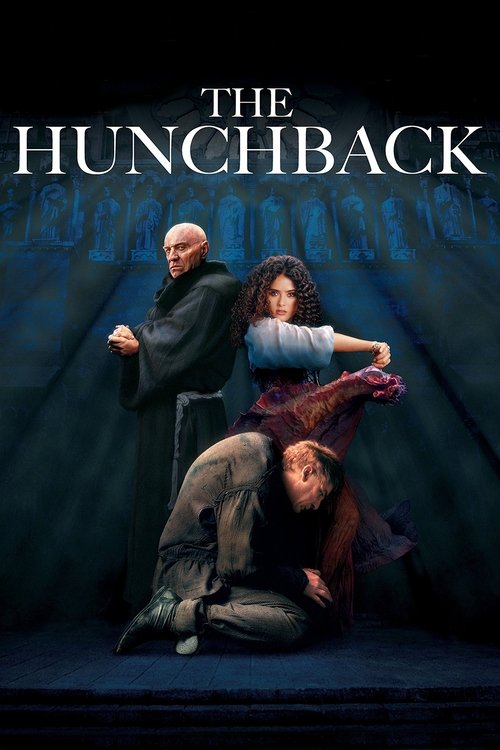
In the ending of "The Hunchback," Quasimodo confronts Judge Frollo, who has become increasingly tyrannical and obsessed with Esmeralda. After a climactic battle at the Cathedral of Notre Dame, Quasimodo ultimately defeats Frollo, who falls to his death. Esmeralda is tragically killed, leaving Quasimodo heartbroken. The film concludes with Quasimodo mourning Esmeralda, finding solace in the memories of their time together, and accepting his place in the world.
As the story reaches its climax, the tension escalates within the walls of Notre Dame. Quasimodo, the deformed bell-ringer, has been driven to protect Esmeralda, the beautiful Romani woman who has shown him kindness. The scene is set against the backdrop of the grand cathedral, its towering spires reaching toward the heavens, symbolizing both sanctuary and conflict.
In the heart of the cathedral, Quasimodo stands resolute, his heart pounding with a mix of fear and determination. He knows that Judge Frollo, consumed by his obsession and hatred, is coming for Esmeralda. The atmosphere is thick with impending doom as Frollo arrives, his dark cloak billowing behind him, a menacing figure against the light of the stained glass windows. Quasimodo's internal struggle is palpable; he is torn between his loyalty to Esmeralda and the fear of the man who has tormented him for so long.
As Frollo confronts Esmeralda, accusing her of witchcraft and seduction, Quasimodo intervenes, his voice trembling with emotion. He defends her fiercely, revealing the depth of his feelings for her. The tension escalates into a physical confrontation, and the two men clash in a battle that echoes through the stone halls of the cathedral. Quasimodo, fueled by love and desperation, fights with all his strength, his movements a blend of grace and raw power.
The fight culminates on the roof of Notre Dame, where the city sprawls beneath them, a stark contrast to the chaos above. Frollo, in a moment of desperation, attempts to push Quasimodo off the edge, but Quasimodo's resolve is unyielding. In a final act of defiance, he throws Frollo back, and the judge, in his arrogance, loses his footing and falls to his death, his screams echoing into the void.
However, the victory is bittersweet. As Quasimodo returns to Esmeralda, he finds her lifeless body, having been fatally wounded in the chaos. The scene is heart-wrenching; Quasimodo cradles her in his arms, tears streaming down his face as he mourns the loss of the one person who saw beyond his deformity. The cathedral, once a place of refuge, now feels like a tomb, filled with the echoes of their shared moments.
In the final scenes, Quasimodo is left alone, his heart shattered. He carries Esmeralda's body to a secluded spot, a place where they once shared dreams of freedom and love. As he lays her to rest, the weight of his sorrow is palpable. The camera pulls back, revealing the vastness of the cathedral and the city beyond, emphasizing Quasimodo's isolation.
The film concludes with Quasimodo standing at the entrance of Notre Dame, looking out at the world that has both rejected and embraced him. He reflects on the love he had for Esmeralda, a love that transcended the boundaries of their worlds. The final image is one of quiet acceptance; Quasimodo, though heartbroken, finds a sense of peace in the memories of their time together, a poignant reminder of the beauty that can exist even in the darkest of circumstances.
Is there a post-credit scene?
The 1997 animated film "The Hunchback of Notre Dame" does not have a post-credit scene. The film concludes with a final song, "Someday," which encapsulates the themes of hope and redemption. After the credits roll, there are no additional scenes or content that follow. The story wraps up with a sense of closure, focusing on the characters' journeys and the resolution of their arcs, particularly Quasimodo's acceptance and the legacy of love and friendship he has found.
What motivates Quasimodo to save Esmeralda during the Festival of Fools?
During the Festival of Fools, Quasimodo, who has been isolated in the bell tower of Notre Dame, is drawn to the lively celebration and the chance to experience the world outside. When he sees Esmeralda, a beautiful and kind-hearted gypsy, he is captivated by her spirit and compassion. His internal struggle between his desire for acceptance and his loyalty to Frollo, who has raised him, drives him to act heroically when Esmeralda is threatened. Quasimodo's deep-seated yearning for love and belonging compels him to protect her, showcasing his bravery and the goodness within him.
How does Frollo's obsession with Esmeralda affect his actions throughout the film?
Frollo's obsession with Esmeralda begins as an infatuation but quickly spirals into a dangerous fixation. He sees her as a symbol of temptation and sin, which conflicts with his rigid moral beliefs. This internal battle fuels his ruthless pursuit to capture her, believing that by doing so, he can rid himself of his desires. His obsession leads him to commit heinous acts, including the burning of the gypsy hideout and the attempted murder of Esmeralda. Frollo's emotional turmoil and inability to reconcile his feelings ultimately drive him to madness, showcasing the destructive power of obsession.
What is the significance of the relationship between Quasimodo and the gargoyles?
The gargoyles serve as Quasimodo's only companions in the bell tower, representing his loneliness and desire for friendship. They provide him with comfort and support, often engaging in playful banter that highlights Quasimodo's innocence and humor. Their animated conversations allow Quasimodo to express his thoughts and feelings, revealing his longing for connection and acceptance. As the story progresses, the gargoyles symbolize Quasimodo's internal struggle between his isolation and his yearning for a place in the world, ultimately reinforcing the theme of friendship and loyalty.
How does Esmeralda's character challenge societal norms in the film?
Esmeralda embodies defiance against the oppressive societal norms of 15th-century Paris. As a gypsy, she faces discrimination and prejudice, yet she remains fiercely independent and compassionate. Her refusal to conform to the expectations placed upon her, particularly in her interactions with Quasimodo and Frollo, showcases her strength and resilience. Esmeralda's willingness to stand up for the marginalized, including her defense of Quasimodo, challenges the status quo and inspires others to question the injustices around them. Her character serves as a beacon of hope and courage, advocating for love and acceptance in a world filled with hatred.
What role does the setting of Notre Dame play in the story?
Notre Dame serves as a powerful symbol and central character in the story, representing both sanctuary and oppression. For Quasimodo, the cathedral is a protective haven where he feels safe from the outside world that shuns him. Its towering presence reflects his isolation and the weight of his burdens. Conversely, for Frollo, Notre Dame is a place of authority and control, where he believes he can impose his will. The cathedral's architecture, with its intricate gargoyles and soaring spires, mirrors the emotional landscapes of the characters, embodying themes of love, despair, and redemption. As the climax unfolds, the setting becomes a battleground for the characters' fates, highlighting the duality of sanctuary and entrapment.
Is this family friendly?
The Hunchback of Notre Dame (1997) is generally considered family-friendly, but it does contain some scenes and themes that may be unsettling for younger viewers or sensitive individuals. Here are some potentially objectionable or upsetting aspects:
-
Dark Themes: The film explores themes of prejudice, isolation, and societal rejection, which may be heavy for children to fully understand.
-
Violence and Threats: There are scenes depicting mob violence, including a mob attacking Quasimodo and threatening Esmeralda. The intensity of these scenes may be frightening.
-
Emotional Turmoil: Characters experience significant emotional pain, including Quasimodo's loneliness and Esmeralda's struggles against injustice, which may evoke strong feelings.
-
Character Deaths: The film includes moments that suggest danger to characters, and there are implications of death that could be distressing.
-
Villainous Behavior: Judge Frollo's obsessive and menacing behavior towards Esmeralda can be disturbing, as it portrays themes of lust and power.
-
Religious Undertones: The film addresses issues of sin and morality, which may be complex for younger audiences to grasp.
While the film has a strong moral message about acceptance and love, parents may want to consider these elements when deciding if it is suitable for their children.









