
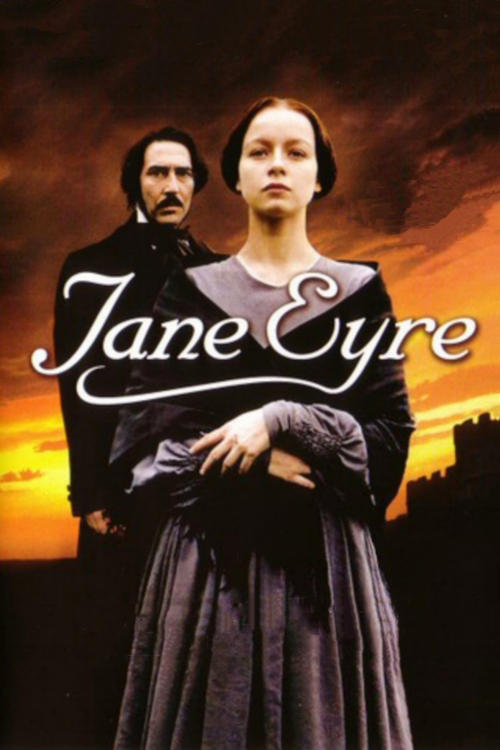



















Popular
What is the significance of the red room in Jane Eyre's childhood?
How does Jane Eyre's relationship with Mr. Rochester evolve throughout the film?
What role does Bertha Mason play in the story, and how does her presence affect Jane?
How does Jane Eyre's sense of self-worth develop throughout the film?
What is the significance of the final scene between Jane and Rochester?
Should I watch it?
Ask Your Own Question

What is the plot?
Sorry, we aren't able to watch and write up a full detailed plot yet. Check back in a few days.
More Movies Like This
Browse All Movies →






What is the ending?
In the 1997 film "Jane Eyre," the ending sees Jane return to Thornfield Hall after hearing Mr. Rochester's call. She finds the estate in ruins, having been destroyed by a fire set by Bertha Mason. Jane learns that Bertha died in the fire, and Mr. Rochester was left blind and injured while trying to save her. Despite his physical limitations, Jane and Rochester reunite, and they express their love for one another. The film concludes with their marriage, symbolizing hope and the possibility of a new beginning.
As the film approaches its conclusion, the narrative unfolds with a series of poignant scenes that encapsulate the emotional journey of the characters.
Scene 1: Jane's Return to Thornfield After a period of separation, Jane Eyre, played by Samantha Morton, feels an undeniable pull back to Thornfield Hall. The landscape is somber as she approaches the estate, her heart heavy with uncertainty. Upon arrival, she is met with devastation; the once grand mansion is reduced to charred ruins. The sight of the destruction sends a wave of despair through her, but she is determined to uncover the fate of Mr. Rochester.
Scene 2: The Revelation Jane encounters a local villager who informs her of the tragic events that transpired. He tells her that Bertha Mason, Mr. Rochester's wife, set the fire in a fit of madness. The news strikes Jane deeply, as she grapples with the implications of Bertha's death and the loss of the home that once held so many memories. The villager also reveals that Mr. Rochester was injured while attempting to save Bertha from the flames, leaving him blind and with a crippled hand.
Scene 3: The Reunion With a mix of trepidation and hope, Jane makes her way to Ferndean, where Mr. Rochester has taken refuge. The atmosphere is heavy with tension as she enters the dimly lit room. Mr. Rochester, portrayed by Ciarán Hinds, is initially unaware of her presence, his world now shrouded in darkness. When he finally recognizes her voice, a wave of emotion washes over him. The reunion is charged with longing and sorrow, as they both confront the pain of their past and the changes that have occurred.
Scene 4: A New Beginning As they speak, Jane reassures Mr. Rochester of her unwavering love. She describes how she has never stopped thinking of him, despite the years apart. Mr. Rochester, filled with remorse and vulnerability, expresses his fears about their future together, given his physical limitations. However, Jane counters his doubts with steadfast conviction, affirming that their love transcends physical appearances and societal expectations.
Scene 5: The Proposal In a moment of profound connection, Mr. Rochester proposes to Jane once more, this time with a deeper understanding of their bond. Jane, filled with joy and relief, accepts his proposal. The scene is imbued with a sense of triumph, as they embrace, symbolizing the overcoming of their past struggles and the promise of a shared future.
Scene 6: The Wedding The film concludes with a serene wedding scene, where Jane and Mr. Rochester exchange vows. The setting is intimate, reflecting their journey from isolation and heartache to love and companionship. As they stand together, the camera captures their expressions of happiness and contentment, signifying a new chapter in their lives.
In the end, Jane Eyre and Mr. Rochester find solace in each other, having navigated the complexities of love, loss, and redemption. The fates of the main characters are intertwined; Bertha's tragic end serves as a catalyst for Jane and Rochester's reunion, while Jane's unwavering love ultimately leads to their marriage, highlighting themes of resilience and the transformative power of love.
Is there a post-credit scene?
The 1997 film "Jane Eyre" does not have a post-credit scene. The film concludes with Jane and Mr. Rochester reuniting after a series of trials and tribulations, culminating in a poignant moment of emotional reconciliation. The story wraps up with their shared understanding and love, leaving the audience with a sense of closure regarding their journey together. The film ends on a note of hope and renewal, emphasizing the themes of love and personal freedom that are central to Jane's character arc.
What is the significance of the red room in Jane Eyre's childhood?
The red room is a pivotal location in Jane Eyre's childhood, symbolizing her isolation and the emotional trauma she endures. It is where she is locked as punishment by her Aunt Reed, representing her feelings of entrapment and abandonment. The oppressive atmosphere of the room, with its dark colors and oppressive silence, mirrors Jane's internal struggles and foreshadows her later conflicts.
How does Jane Eyre's relationship with Mr. Rochester evolve throughout the film?
Jane's relationship with Mr. Rochester evolves from one of employer and governess to a deep emotional and romantic connection. Initially, Jane is wary of Rochester's brooding nature and his mysterious past. As they spend time together, she becomes drawn to his complexity and vulnerability. Their bond deepens through shared experiences, particularly when Jane saves Rochester from a fire, solidifying their emotional connection and mutual respect.
What role does Bertha Mason play in the story, and how does her presence affect Jane?
Bertha Mason, Mr. Rochester's first wife, plays a crucial role in the narrative as a symbol of the hidden secrets and societal constraints of the time. Her presence profoundly affects Jane, as she represents the obstacles to Jane's happiness with Rochester. Bertha's madness and confinement in the attic serve as a stark contrast to Jane's quest for freedom and love, ultimately forcing Jane to confront her own values and desires.
How does Jane Eyre's sense of self-worth develop throughout the film?
Jane's sense of self-worth develops significantly throughout the film, shaped by her experiences and relationships. Initially, she is treated as inferior by her relatives and at Lowood School, which instills a sense of inadequacy. However, as she gains independence and becomes a governess, her confidence grows. Her interactions with Rochester challenge her to assert her worth, culminating in her refusal to compromise her principles for love, which ultimately empowers her.
What is the significance of the final scene between Jane and Rochester?
The final scene between Jane and Rochester is significant as it represents the culmination of their emotional journey and the resolution of their struggles. After Jane returns to Thornfield, she finds Rochester physically and emotionally changed, having lost his sight and a hand. Their reunion is filled with tenderness and understanding, symbolizing the triumph of love over adversity. Jane's declaration of her love and her willingness to be with Rochester despite his altered circumstances highlights her growth and the depth of their bond.
Is this family friendly?
The 1997 film "Jane Eyre" contains several scenes and themes that may be considered objectionable or upsetting for children or sensitive viewers. Here are some aspects to be aware of:
-
Orphanage Abuse: The film depicts Jane's early life at Gateshead Hall, where she faces emotional and physical abuse from her aunt and cousins. This includes scenes of bullying and neglect that may be distressing.
-
Isolation and Loneliness: Jane experiences profound feelings of isolation and abandonment, particularly during her time at Lowood School. The portrayal of her emotional struggles may resonate deeply with sensitive viewers.
-
Death and Illness: There are scenes that involve illness and death, particularly related to the conditions at Lowood School, where several characters suffer from tuberculosis. The depiction of suffering and loss can be heavy.
-
Supernatural Elements: The film includes moments that hint at the supernatural, such as Jane's visions and the mysterious presence of Bertha Mason, which may be unsettling for some viewers.
-
Romantic Tension: The relationship between Jane and Mr. Rochester includes themes of passion and emotional turmoil, which may be intense for younger audiences.
-
Mental Illness: The character of Bertha Mason is portrayed as having a mental illness, and her treatment and portrayal may raise questions about mental health that could be sensitive for some viewers.
These elements contribute to the film's overall emotional depth but may not be suitable for all children or sensitive individuals.








