









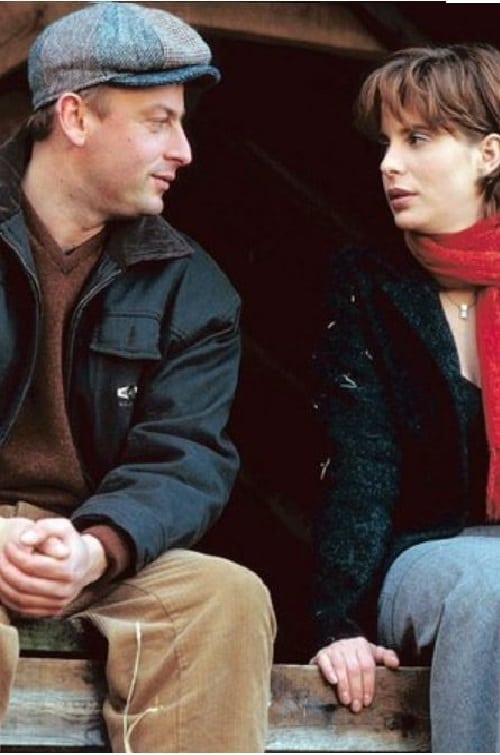
Popular
How does the relationship between Anna and her mother evolve throughout the film?
What is the significance of the character Anna in Silberdisteln?
What role does the setting play in the development of the story in Silberdisteln?
What are the key events that lead to Anna's self-discovery in Silberdisteln?
How does the character of the grandfather influence Anna's journey in Silberdisteln?
Should I watch it?
Ask Your Own Question

What is the plot?
Sorry, we aren't able to watch and write up a full detailed plot yet. Check back in a few days.






What is the ending?
In the ending of "Silberdisteln," the main characters confront their pasts and the choices they have made. The film concludes with a sense of resolution as they find a way to move forward, albeit with lingering emotional scars.
As the final scenes unfold, we see the characters grappling with their relationships and the consequences of their actions. The protagonist, who has been on a journey of self-discovery, comes to terms with her past and the impact it has had on her present. The film closes on a note of hope, suggesting that healing is possible, even if the scars remain.
The ending of "Silberdisteln" begins with a poignant scene set in a sunlit meadow, where the protagonist, a young woman named Anna, stands alone, reflecting on her journey. The camera captures her contemplative expression, the gentle breeze rustling the wildflowers around her. This moment signifies her internal struggle and the weight of her past decisions.
As the scene shifts, we see Anna's estranged father, who has been a source of conflict throughout the film, approaching her cautiously. His face is etched with regret, and the tension is palpable. He reaches out to her, attempting to bridge the emotional chasm that has separated them for years. Anna's initial reaction is one of hesitation; she is torn between the desire for reconciliation and the pain of betrayal she has felt. The dialogue is sparse but loaded with unspoken words, as both characters grapple with their emotions.
In the next scene, Anna's mother, who has been a silent observer of the family turmoil, steps in. She offers a heartfelt apology to Anna, acknowledging her own shortcomings and the role she played in the family's dysfunction. The emotional weight of this moment is heavy, as Anna listens, her eyes glistening with unshed tears. The camera lingers on her face, capturing the conflict between anger and the yearning for connection.
As the family begins to communicate more openly, the atmosphere shifts. They share memories, both painful and joyful, and the dialogue becomes more fluid. The scene is interspersed with flashbacks of happier times, underscoring the complexity of their relationships. Anna's father shares a story from her childhood, and for a brief moment, laughter breaks the tension, hinting at the possibility of healing.
The climax of the film occurs when Anna, in a moment of vulnerability, expresses her feelings of abandonment and hurt. Her voice trembles as she recounts specific instances that have haunted her. The raw honesty of her words resonates deeply, and her parents listen intently, their expressions a mix of sorrow and understanding. This cathartic moment serves as a turning point for the family, as they begin to acknowledge their shared pain.
In the final scenes, we see Anna walking away from the meadow, her posture more confident than before. The sun sets in the background, casting a warm glow over the landscape. She glances back at her parents, who are now engaged in a heartfelt conversation, their body language more open and connected. This visual metaphor signifies the potential for reconciliation and the importance of facing one's past.
The film concludes with Anna standing at a crossroads, symbolizing her newfound freedom and the choices that lie ahead. The camera pulls back, revealing the vastness of the landscape, suggesting that while the journey of healing is ongoing, there is hope for a brighter future. The final shot lingers on Anna's face, a mixture of determination and vulnerability, as she takes a deep breath and steps forward into the unknown.
In summary, the fates of the main characters are intertwined in this moment of resolution. Anna's journey towards self-acceptance and reconciliation with her parents marks a significant turning point, while her parents begin to confront their own past mistakes. The film closes on a note of hope, emphasizing the possibility of healing and the importance of familial bonds, even amidst the scars of the past.
Is there a post-credit scene?
The movie "Silberdisteln," produced in 1998, does not feature a post-credit scene. The film concludes its narrative without any additional scenes or content after the credits roll. The story wraps up with a focus on the emotional resolutions of the characters, leaving the audience with a sense of closure regarding their journeys.
How does the relationship between Anna and her mother evolve throughout the film?
The relationship between Anna and her mother is complex and evolves significantly. Initially, there is a palpable distance and misunderstanding between them, stemming from Anna's feelings of abandonment and her mother's strict demeanor. As the story progresses, moments of vulnerability and shared memories begin to bridge the gap, leading to a deeper understanding of each other's struggles and ultimately a reconciliation of sorts.
What is the significance of the character Anna in Silberdisteln?
Anna is a central character whose journey reflects the struggles of personal identity and the search for belonging. Throughout the film, she grapples with her past and the impact of her family's history on her present life. Her emotional turmoil is depicted through her interactions with other characters, particularly her relationship with her mother, which is fraught with tension and unresolved issues.
What role does the setting play in the development of the story in Silberdisteln?
The setting of Silberdisteln, primarily in a small, picturesque village, plays a crucial role in shaping the narrative. The natural beauty of the landscape contrasts with the internal conflicts of the characters, particularly Anna. The village serves as a backdrop for Anna's exploration of her roots and the secrets of her family, with specific locations like the family home and the surrounding fields symbolizing both comfort and confinement.
What are the key events that lead to Anna's self-discovery in Silberdisteln?
Key events that lead to Anna's self-discovery include her return to the village after years away, the discovery of family secrets, and her interactions with other villagers who provide different perspectives on her family's history. A pivotal moment occurs when she confronts her mother about their past, leading to revelations that force Anna to reevaluate her identity and her place within the family and community.
How does the character of the grandfather influence Anna's journey in Silberdisteln?
Anna's grandfather serves as a pivotal figure in her journey, representing a connection to her family's past and the traditions that Anna struggles to understand. His stories and wisdom provide Anna with insights into her heritage, and his presence often evokes a sense of nostalgia and longing. Through their interactions, Anna begins to appreciate the complexities of her family's history, which ultimately aids in her quest for self-acceptance.
Is this family friendly?
"Silberdisteln," produced in 1998, is a film that explores themes of family, loss, and the complexities of human relationships. While it is not overtly graphic or violent, there are several elements that may be considered potentially objectionable or upsetting for children or sensitive viewers.
-
Themes of Loss and Grief: The film delves into the emotional struggles of characters dealing with loss, which may be heavy for younger audiences to process.
-
Family Conflict: There are scenes depicting tension and conflict within the family, which may be distressing for children who are sensitive to familial discord.
-
Emotional Turmoil: Characters experience significant emotional pain and struggle, which could be intense for younger viewers to witness.
-
Depictions of Illness: There are references to health issues that may evoke feelings of sadness or anxiety.
-
Dramatic Moments: Certain scenes may contain heightened emotional stakes that could be overwhelming for sensitive viewers.
Overall, while "Silberdisteln" is not explicitly inappropriate, its emotional depth and themes may require parental guidance for younger audiences.







