









Popular
What is the significance of the character Dr. Van Helsing in the story?
How does the character of Florence Stalworthy contribute to the plot?
What role does the house itself play in the characters' experiences?
What are the main supernatural occurrences that the characters experience in Hell House?
How does the character of Ben Fischer evolve throughout the film?
Should I watch it?
Ask Your Own Question

What is the plot?
Sorry, we aren't able to watch and write up a full detailed plot yet. Check back in a few days.







What is the ending?
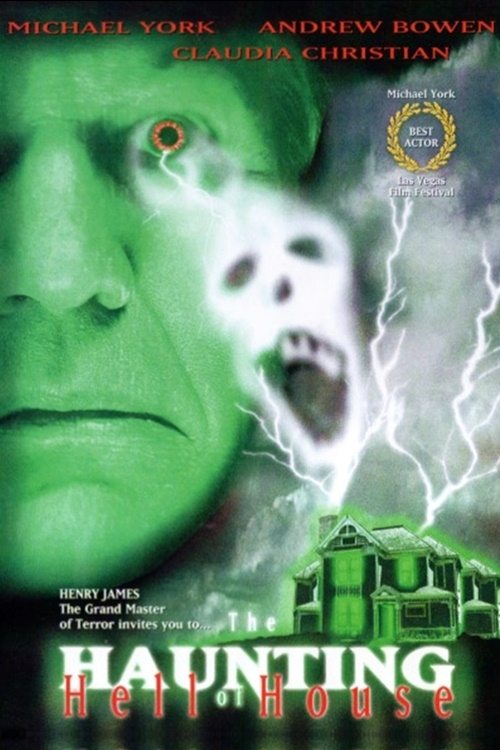
In the ending of "The Haunting of Hell House," the main characters confront the malevolent force within Hell House. As they delve deeper into the house's dark history, they face terrifying manifestations of their fears. Ultimately, the protagonist, a psychic named Ben, sacrifices himself to save the others, allowing them to escape the house. The film concludes with the remaining characters, including the skeptical physicist and the grieving widow, reflecting on the horrors they experienced, while the house remains a haunting presence.
As the climax of "The Haunting of Hell House" unfolds, the atmosphere is thick with tension and dread. The remaining characters--Ben, the psychic; Julie, the widow; and the skeptical physicist, Dr. Van Horne--find themselves in the heart of the house, where the malevolent spirit has grown increasingly powerful. The walls seem to pulse with a life of their own, shadows flicker ominously, and the air is charged with an oppressive energy that weighs heavily on their hearts.
Scene by scene, the tension escalates. The trio gathers in the main hall, where the air is thick with the scent of decay and despair. Ben, feeling the weight of the house's dark history, begins to experience vivid flashbacks of the tragic events that transpired within its walls. He sees the tortured souls of those who once lived there, their faces twisted in agony, and he realizes that the house feeds on fear and sorrow.
As they explore deeper, they encounter manifestations of their own fears. Julie is haunted by visions of her deceased husband, his ghostly figure appearing to her in moments of vulnerability, urging her to join him. Dr. Van Horne, who has always approached the supernatural with skepticism, begins to question his beliefs as he witnesses inexplicable phenomena--objects moving on their own, whispers echoing through the halls, and the very walls seeming to close in around them.
In a pivotal moment, the group discovers a hidden chamber that reveals the house's dark past--a history of violence, betrayal, and death. The walls are adorned with disturbing images that depict the suffering of previous inhabitants. It becomes clear that the house is not just a structure but a living entity that thrives on the pain of its occupants.
As the night deepens, the malevolent force grows stronger, and the characters are pushed to their limits. Ben, feeling a deep connection to the spirits trapped within the house, realizes that the only way to free them--and his friends--is to confront the entity head-on. In a moment of bravery, he decides to sacrifice himself, believing that his psychic energy can disrupt the house's hold on the others.
In a heart-wrenching scene, Ben stands alone in the center of the room, channeling his energy to confront the dark spirit. The air crackles with tension as he calls out to the entity, demanding it release its grip on the house. The walls tremble, and a cacophony of anguished screams fills the air. Ben's face contorts with pain as he channels the energy, and in a final act of defiance, he implores Julie and Dr. Van Horne to escape while they still can.
As the house begins to collapse around him, Julie and Dr. Van Horne rush toward the exit, their hearts heavy with the knowledge that they are leaving Ben behind. They burst through the front door just as the house erupts in a violent explosion of light and sound, the walls crumbling and the malevolent spirit finally vanquished.
In the aftermath, Julie and Dr. Van Horne stand outside, breathless and shaken, watching as the remnants of Hell House smolder in the early morning light. They are forever changed by the experience, haunted by the memories of what transpired within those walls. Julie clutches a locket that belonged to her husband, a symbol of her grief and the love she lost, while Dr. Van Horne grapples with the reality of the supernatural he once dismissed.
The film closes with a lingering shot of the ruins of Hell House, a stark reminder of the horrors that took place within. The fate of Ben remains ambiguous, his sacrifice echoing in the hearts of those who survived. The house, though destroyed, leaves an indelible mark on the characters, a testament to the darkness that can reside within both a place and the human soul.
Is there a post-credit scene?
The Haunting of Hell House, produced in 1999, does not have a post-credit scene. The film concludes without any additional scenes or content after the credits roll. The story wraps up with the resolution of the characters' experiences within the haunted house, leaving the audience with a sense of closure regarding the events that transpired.
What is the significance of the character Dr. Van Helsing in the story?
Dr. Van Helsing is a pivotal character in 'The Haunting of Hell House,' serving as the leader of the investigation into the supernatural occurrences at Hell House. His extensive knowledge of the paranormal and his determination to uncover the truth drive the narrative forward. He is portrayed as both authoritative and deeply troubled by the malevolent forces at play, reflecting his internal struggle with the horrors he encounters.
How does the character of Florence Stalworthy contribute to the plot?
Florence Stalworthy is a key character whose psychic abilities are central to the investigation of Hell House. Her sensitivity to the supernatural allows her to perceive the malevolent spirits haunting the location. Throughout the film, her emotional turmoil and fear of the house's dark history create tension, as she grapples with her own vulnerabilities while trying to assist the team in understanding the house's tragic past.
What role does the house itself play in the characters' experiences?
Hell House is not just a setting but a character in its own right, embodying the malevolence and history of the events that transpired within its walls. The house's oppressive atmosphere and supernatural occurrences deeply affect the characters, amplifying their fears and insecurities. As they explore its dark corners, the house reveals its secrets, leading to moments of terror and emotional breakdowns, particularly for those like Florence and Dr. Van Helsing.
What are the main supernatural occurrences that the characters experience in Hell House?
The characters in 'The Haunting of Hell House' encounter a series of terrifying supernatural events, including ghostly apparitions, unexplained noises, and physical manifestations of the house's dark energy. These occurrences escalate in intensity, leading to moments of possession and psychological torment, particularly affecting Florence and Dr. Van Helsing. The manifestations serve to heighten the tension and reveal the tragic history of the house, ultimately driving the characters to confront their deepest fears.
How does the character of Ben Fischer evolve throughout the film?
Ben Fischer begins as a skeptical and somewhat reluctant participant in the investigation of Hell House, haunted by his own past experiences with the supernatural. As the story progresses, he becomes increasingly drawn into the house's dark influence, facing his fears and confronting the malevolent forces at play. His evolution is marked by a struggle between rationality and the overwhelming evidence of the supernatural, culminating in a personal reckoning that forces him to confront both the house's horrors and his own inner demons.
Is this family friendly?
The Haunting of Hell House (1999) is not considered family-friendly due to its horror themes and unsettling content. Here are some potentially objectionable or upsetting aspects that may affect children or sensitive viewers:
-
Supernatural Elements: The film features ghosts and other supernatural entities that can be frightening, including disturbing apparitions and manifestations.
-
Violence and Threats: There are scenes that depict violence or threats against characters, which may be intense and distressing.
-
Psychological Horror: The film explores themes of fear, madness, and psychological torment, which can be unsettling for viewers.
-
Dark Atmosphere: The overall tone is dark and foreboding, with eerie settings that contribute to a sense of dread.
-
Disturbing Imagery: There are moments of graphic or unsettling imagery that may be inappropriate for younger audiences.
-
Emotional Distress: Characters experience significant emotional turmoil, fear, and anxiety, which may resonate negatively with sensitive viewers.
These elements combine to create a tense and frightening experience, making it unsuitable for children or those who are easily disturbed.









