








Popular
What is the relationship between Nello and Patrasche in the movie?
How does Nello's passion for art influence his character development?
What role does the village's perception of Nello play in the story?
How does the character of Alois impact Nello's life?
What significant event leads to the climax of Nello and Patrasche's story?
Should I watch it?
Ask Your Own Question

What is the plot?
Sorry, we aren't able to watch and write up a full detailed plot yet. Check back in a few days.




What is the ending?
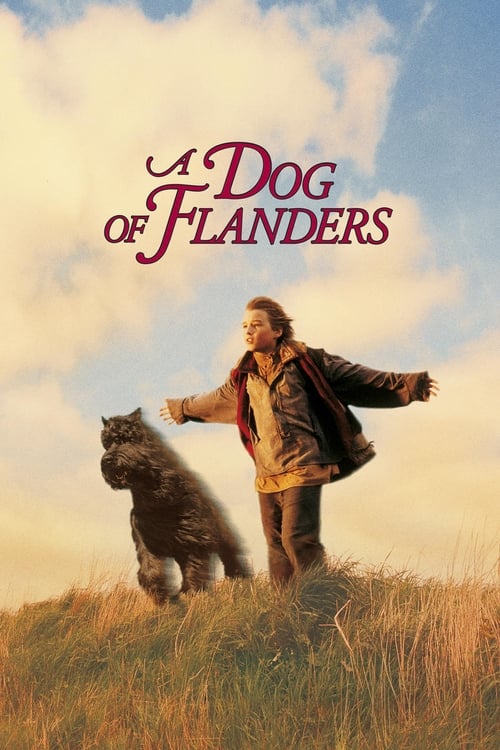
In the ending of "A Dog of Flanders," the main character, Nello, faces a heartbreaking moment as he loses his beloved dog, Patrasche. After a series of struggles and rejections, Nello finds himself alone and desolate. In a final act of devotion, he and Patrasche visit the cathedral where they had dreamed of seeing the art of the great painter Rubens. Nello's tragic fate culminates in his death from exhaustion and despair, lying beside Patrasche, who remains loyal to him until the end. The film closes with a poignant scene that highlights the bond between Nello and Patrasche, emphasizing themes of love, loyalty, and the harsh realities of life.
As the film approaches its conclusion, the atmosphere is heavy with tension and sorrow. Nello, a young boy with a passion for art, has faced relentless hardship. He has been ostracized by the townspeople, particularly by the wealthy and influential figure, the butcher, who has made it clear that he disapproves of Nello's aspirations and his bond with Patrasche, a stray dog who has become his closest companion.
Scene by scene, the narrative unfolds with Nello and Patrasche wandering through the streets of Antwerp, their spirits dampened by the rejection they have faced. Nello's dreams of becoming an artist seem increasingly out of reach, and the weight of his struggles is palpable. The bond between boy and dog is depicted through tender moments, showcasing their unwavering loyalty to one another despite the harshness of their reality.
As they arrive at the grand cathedral, Nello's eyes light up with hope. He has long dreamed of seeing the artwork of Rubens, and this moment represents a culmination of his aspirations. However, the joy is short-lived. The townspeople, still harboring their prejudices, refuse to accept Nello and Patrasche. In a cruel twist of fate, they are turned away from the cathedral, a place that symbolizes beauty and acceptance.
In a moment of despair, Nello collapses from exhaustion, his body succumbing to the weight of his struggles. Patrasche, ever faithful, stays by his side, refusing to leave him even as the world around them continues to turn a blind eye. The emotional intensity of this scene is heightened as Nello's dreams slip away, and he finds solace only in the presence of his beloved dog.
As the final moments unfold, Nello's breathing becomes shallow, and he slips into unconsciousness. Patrasche, sensing the gravity of the situation, remains close, providing comfort in Nello's final moments. The bond they share is a testament to the love and loyalty that transcends the hardships they have faced.
In the closing scene, the camera lingers on the two, highlighting the tragic beauty of their relationship. Nello's fate is sealed as he passes away, leaving Patrasche alone in a world that has shown them little kindness. The film concludes with a poignant reminder of the enduring power of love and loyalty, even in the face of overwhelming adversity. The fate of Nello and Patrasche serves as a heartbreaking reflection on the struggles of the marginalized and the unbreakable bond between a boy and his dog.
Is there a post-credit scene?
The 1999 film "A Dog of Flanders" does not contain a post-credit scene. The movie concludes with a poignant ending that encapsulates the themes of love, loyalty, and the bond between the main character, a young boy named Nello, and his dog, Patrasche. After a series of emotional events, the film wraps up without any additional scenes after the credits, leaving the audience to reflect on the story's heartfelt conclusion.
What is the relationship between Nello and Patrasche in the movie?
Nello, a young boy living in a small Belgian village, shares a deep bond with Patrasche, a stray dog he rescues. Their relationship is characterized by loyalty and companionship, as they face various challenges together. Nello's love for Patrasche is evident in how he cares for him, providing food and shelter, while Patrasche reciprocates with unwavering loyalty, often helping Nello in his artistic endeavors.
How does Nello's passion for art influence his character development?
Nello is portrayed as a sensitive and artistic soul, deeply inspired by the works of the great artist Rubens. His passion for art drives him to create beautiful drawings, reflecting his emotions and dreams. Throughout the film, Nello's artistic aspirations are challenged by the harsh realities of his life, including poverty and societal rejection, which ultimately shape his character and determination to pursue his dreams.
What role does the village's perception of Nello play in the story?
The villagers' perception of Nello is largely negative, as they view him as an outsider and a burden due to his impoverished status. This prejudice intensifies when Nello's artistic ambitions are dismissed, leading to feelings of isolation and despair. The villagers' harsh treatment serves as a catalyst for Nello's struggles, highlighting the themes of acceptance and the pursuit of one's passion despite societal judgment.
How does the character of Alois impact Nello's life?
Alois, the local butcher, represents the antagonistic force in Nello's life. He embodies the cruelty and prejudice of the village, often mocking Nello and undermining his dreams. Alois's actions create significant obstacles for Nello, particularly when he tries to showcase his art. This conflict drives Nello to prove himself, ultimately leading to moments of both despair and resilience.
What significant event leads to the climax of Nello and Patrasche's story?
The climax of Nello and Patrasche's story is triggered by a tragic event when Nello's artistic submission to a local competition is sabotaged by Alois. This betrayal not only shatters Nello's dreams but also leads to a heartbreaking moment of loss for both him and Patrasche. The emotional weight of this event propels the narrative towards its poignant conclusion, emphasizing the themes of love, loyalty, and the struggle against adversity.
Is this family friendly?
"A Dog of Flanders," produced in 1999, is generally considered family-friendly, but it does contain some scenes and themes that may be upsetting for younger viewers or sensitive individuals. Here are a few potentially objectionable aspects:
-
Themes of Poverty: The film portrays the struggles of the main characters, particularly Nello and his grandfather, who face financial hardship and societal rejection. This depiction of poverty may be distressing for some children.
-
Animal Suffering: The bond between Nello and his dog, Patrasche, is central to the story. There are moments that depict the dog facing danger and hardship, which could be upsetting for animal lovers.
-
Loss and Grief: The film explores themes of loss, particularly towards the end, which may evoke strong emotions. The characters experience significant sorrow, and this emotional weight could be challenging for younger audiences to process.
-
Bullying and Isolation: Nello faces bullying and ostracism from other children and adults in the community, which may resonate with viewers who have experienced similar situations, potentially leading to feelings of discomfort.
-
Tragic Elements: The narrative includes tragic elements that may be heavy for children, including the fate of the characters and their dreams, which could lead to feelings of sadness.
While the film carries a heartwarming message about love and loyalty, these elements may require parental guidance for younger viewers.








